Table of Contents
Fashion is evolving, and you can’t afford to miss out on the game-changing innovations like smart hijabs. Imagine a piece that not only represents your identity but also integrates technology to enhance your lifestyle. Islamic clothing market size has reached to $79.61 billion in 2024. Expected to grow to $109.43 billion in 2029 at CAGT 6.6%. Islamic clothing refers to attire that conforms the modest and decency principles of Islam, including hijabs, abayas, and thobes. In a world where modest fashion meets high-tech solutions, you have the chance to embrace a style that’s both contemporary and meaningful. Let’s investigate how these tech-integrated pieces are paving the way for a bold future in fashion and why you should be paying attention.
The Intersection of Modesty and Technology: A Cultural Shift
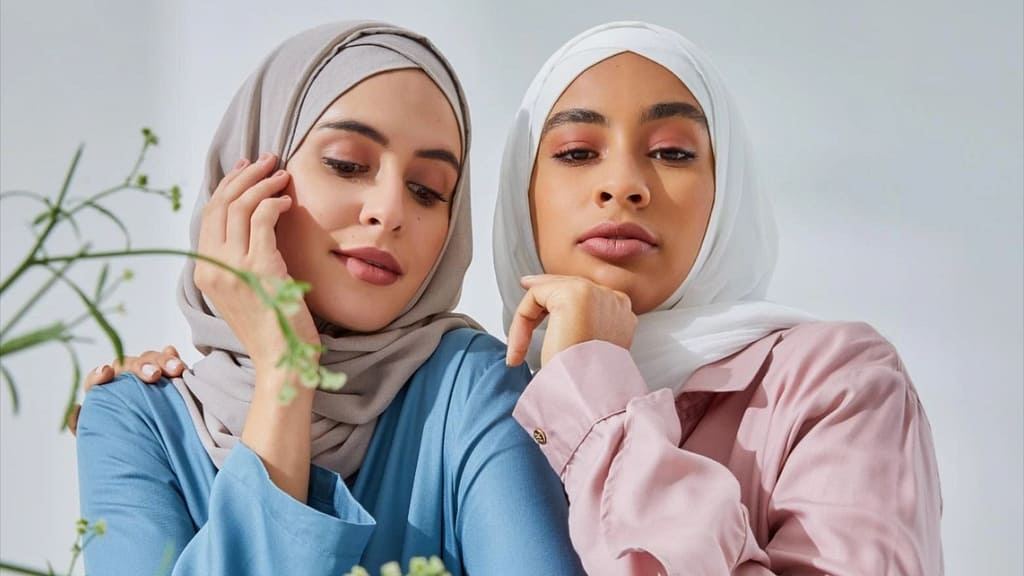
Modest fashion is experiencing a radical transformation driven by technological advancements. The integration of smart textiles and digital platforms allows you to express your personal style while adhering to cultural values. This convergence is reshaping the way attendees approach fashion, offering a seamless blend of innovation and tradition. As the demand for tech-integrated garments rises, brands that recognize this shift are paving the way for a new era of inclusivity and expression in modest fashion, appealing to a broader audience who values both modesty and modernity.
- The Evolution of Modest Fashion
Over the past few decades, modest fashion has evolved from being a niche market to a mainstream phenomenon. Today, it encompasses a variety of styles, influenced by cultural trends and social media. You see high-profile designers and influencers showcasing diverse interpretations of modesty, from contemporary streetwear to elegant evening attire, making it more accessible than ever. This evolution encourages you to embrace your identity while allowing creativity to thrive in how you dress.
- How Technology is Shaping Consumer Behavior
Technology is revolutionizing how you discover, shop, and engage with modest fashion brands. Online platforms, social media, and mobile apps enhance your shopping experience, offering personalized recommendations and accessibility to global styles. Magazines, blogs, and social channels fueled by innovative fashion tech create communities around modest fashion, allowing you to connect with others who share your values. This shift has not only expanded your options but also empowered you to make informed purchasing decisions, fundamentally changing the way you engage with modest fashion.
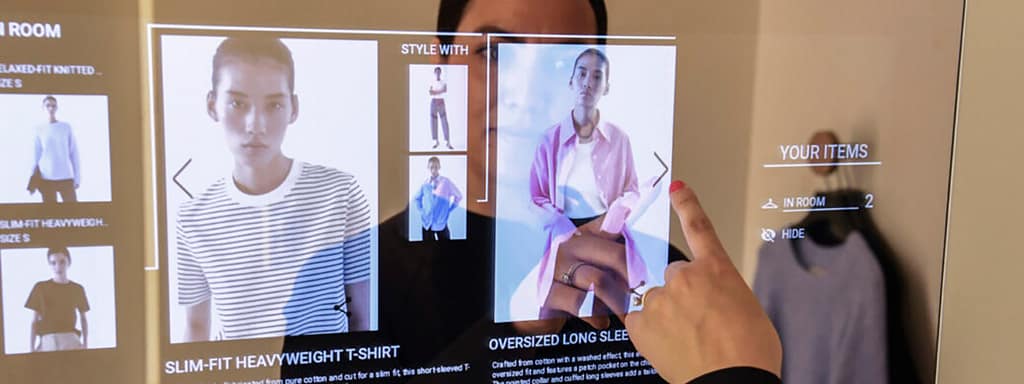
As technology continues to influence consumer behavior, data analytics plays a significant role in understanding your preferences. Brands harness insights from your online interactions to tailor their offerings, ensuring you find what resonates with your style. In particular, augmented reality (AR) tools let you virtually try on garments, making online shopping more engaging and personalized. Social media platforms like Instagram and TikTok enable instant feedback, allowing you to participate in a broader conversation about modest fashion trends and fostering a sense of community that encourages dialogue and creativity.
Innovations Driving Smart Hijabs
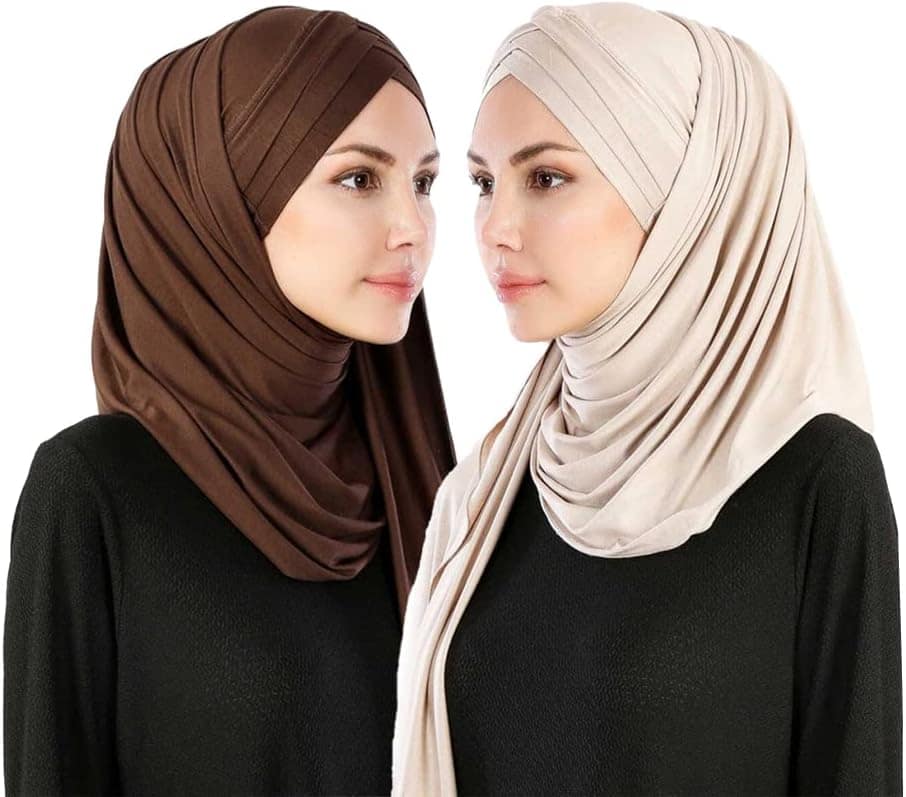
Smart hijabs are on the cutting edge of tech-integrated fashion, bringing together innovative features that cater to the modern wearer. With advancements in textile technology, you’ll soon find hijabs equipped with sensors, temperature regulation, and connectivity options. Brands are collaborating with tech companies to create garments that not only meet modesty standards but also enhance your lifestyle, combining tradition with the latest in wearable tech.
- Wearable Technology Features: Health and Safety
Your smart hijab can now go beyond aesthetics, offering health and safety functionalities. Imagine wearing a hijab that monitors your heart rate, tracks your activity, or alerts you during health emergencies. These features are designed to keep you informed and secure, empowering you to manage your wellness seamlessly while adhering to your values.
- Fabric and Design Advances: Merging Style with Functionality
Innovative materials have transformed the world of modest fashion, with smart hijabs becoming a canvas for functional aesthetics. You’ll discover fabrics woven with nano-technology for stain resistance and breathability, ensuring you stay comfortable without sacrificing style. Cutting-edge designs incorporate functionalities like UV protection and moisture-wicking properties, allowing you to express your identity confidently in any environment while embracing practical benefits.
Fabric advancements are pivotal in the rise of smart hijabs, where traditional textiles meet modern technology. High-performance materials allow for versatile designs that change the game for modest wear. You can find options enriched with antimicrobial properties for hygiene, or reflective fabrics for safety during night outings. Style isn’t lost in the mix; eye-catching colors and patterns are powered by innovation, giving you the freedom to express yourself while enjoying the benefits of modern conveniences. This evolution ensures that your wardrobe is as functional as it is fashionable, aligning perfectly with your identity and lifestyle needs.
The Market Potential for Tech-Integrated Modest Fashion
Tech-integrated modest fashion, particularly smart hijabs, is tapping into a growing market that values both functionality and style. This niche has seen a surge in interest due to rising awareness of technology’s potential in fashion. Brands that embrace these innovations are not only attracting traditional buyers but also tech-savvy consumers seeking versatility and convenience. The current market trends suggest significant growth, with the global modest fashion market expected to reach $368 billion by 2024, indicating a lucrative opportunity for those ready to innovate.
- Demographics and Demand: Who is Buying Smart Hijabs?
Smart hijabs are increasingly appealing to young Muslim women who embrace both technology and their cultural identity. This demographic values products that align with their lifestyle, allowing them to express their modesty without sacrificing modern conveniences. Additionally, the global rise of fashion technology enthusiasts shows a crossover interest among non-Muslim women seeking multifunctional accessories. Engaging this audience requires understanding their unique needs, driving demand for innovative styles that blend tradition with tech.
- Economic Opportunities: Trends and Projections
The trend towards tech-integrated modest fashion is redefining economic landscapes, with projections indicating a robust growth trajectory. As consumer preferences shift towards personalized and tech-enhanced apparel, the market for smart hijabs is positioned for expansion. Research indicates that wearable technology in fashion could reach $50 billion by 2026, with modest fashion accounting for a significant share, driven by both halal compliance and tech-savvy aesthetics. Forward-thinking brands investing in R&D will likely capitalize on this transformation.
The opportunity lies not just in sales but in creating lifestyle ecosystems that resonate with consumers. Take, for example, initiatives that incorporate health monitoring features or temperature-regulating fabrics within hijabs. As more women demand functionality alongside style, brands offering smart features will capture attention—and consumers. Expect partnerships with tech companies to flourish, paving new paths for innovation. As trends continue to evolve, businesses embracing agility will thrive in this space, creating products that not only meet market demands but also redefine modest fashion for a tech-forward generation.
Ethical Considerations in the Tech-Driven Fashion Space
Technology in fashion raises significant ethical questions that you must consider. Transparency in sourcing materials and labor practices is fundamental; consumers increasingly demand accountability regarding the environmental impact and labor rights associated with smart garments. Brands embracing tech must navigate this landscape carefully to maintain integrity while pushing fashion innovation forward
- Cultural Sensitivity: Balancing Tradition and Innovation
Integrating technology into modest fashion demands cultural awareness. You need to respect traditional values while innovating. This balance ensures that tech-enhanced hijabs resonate with wearers, celebrating their identity without compromising their beliefs and aesthetics.
Striking this balance is important in catering to diverse consumer bases. For example, brands like Swiss-based Pioneers of Change create smart hijabs that blend modern technology with cultural motifs, showing respect for tradition while appealing to a younger audience. By incorporating features like adjustable temperature control without sacrificing style, you cater to both the need for innovation and cultural significance. Doing so not only preserves heritage but also celebrates it through modern design, making tech-enabled modest fashion accessible and desirable.
Consumer Perspectives: Real Users, Real Impact
Your insights matter significantly in understanding the impact of smart hijabs. Users have shared how these innovative garments do more than enhance personal style; they integrate seamlessly into daily life, providing functionality that transcends mere aesthetics. Many report feeling empowered and connected, as these pieces embody both tradition and modern technology. This blend allows you to express your identity while adapting to a fast-paced world, challenging the notion that modest fashion cannot coexist with innovation.
- Testimonials: Personal Experiences with Smart Hijabs
Users often share transformative stories about their smart hijabs. One mother noted how a built-in fitness tracker helped her maintain her health goals without sacrificing her modesty. Another user highlighted enhanced comfort during city commutes with temperature-regulating fabrics. These testimonials illustrate that smart hijabs are not just garments; they are lifestyle changes, making your life more convenient and connected while aligning with your values.
- Challenges and Criticisms: Navigating the Tech and Tradition Dichotomy
Critics raise point about the potential disconnect between tech and tradition in modest fashion. Concerns often center on the fear that integrating technology could dilute the cultural essence of hijabs. Some users express skepticism, questioning whether these innovations cater to genuine needs or simply capitalize on trends. Balancing modern tech with traditional values is a delicate act; the challenge lies in ensuring the integrity of both remains intact as the market evolves.
The debate around smart hijabs often reflects broader struggles within the fashion industry. While embracing technology can revolutionize modest wear, maintaining cultural authenticity is vital. Concerns extend to the risk of commodifying what many consider a deeply personal and spiritual practice. For a segment of consumers, smart hijabs may seem like a departure from tradition, sparking cultural anxiety. Navigating this dichotomy involves careful consideration and an inclusive approach that respects legacy while embracing innovation—it’s a balancing act that requires genuine input from the very communities these products aim to serve.
Final Words
As you delve into the realm of tech-integrated modest fashion, be sure to welcome the cutting-edge design of smart hijabs. This goes beyond mere style; it’s a matter of combining tradition with state-of-the-art technology to improve your everyday life. You can redefine what modesty means, display your individuality, and take advantage of smart features. Don’t simply follow trends; be the one to create them. You hold the future of fashion in your hands—get out there and create it!