Table of Contents
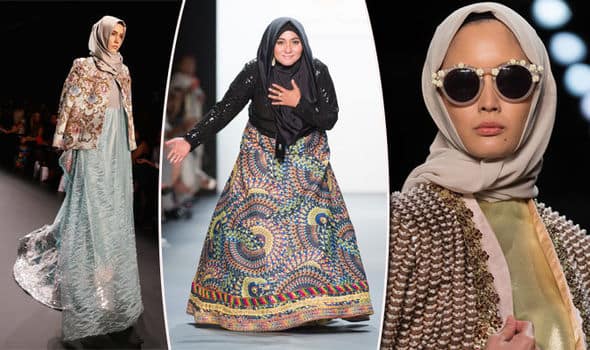
Emerging talents who draw from their cultural heritage have contributed to the astonishing development of the fashion business in recent years. This blog article includes a thoughtful interview with a budding Muslim fashion designer who discusses their influences, creative process, and difficulties in the fast-paced fashion industry. Readers will learn more about how they support inclusiveness and representation while fusing classic aesthetics with modern trends. Learn about their inspiration for their collections and what motivates them to influence the market.
The Designer’s Journey: From Concept to Creation
- Early Influences and Motivations
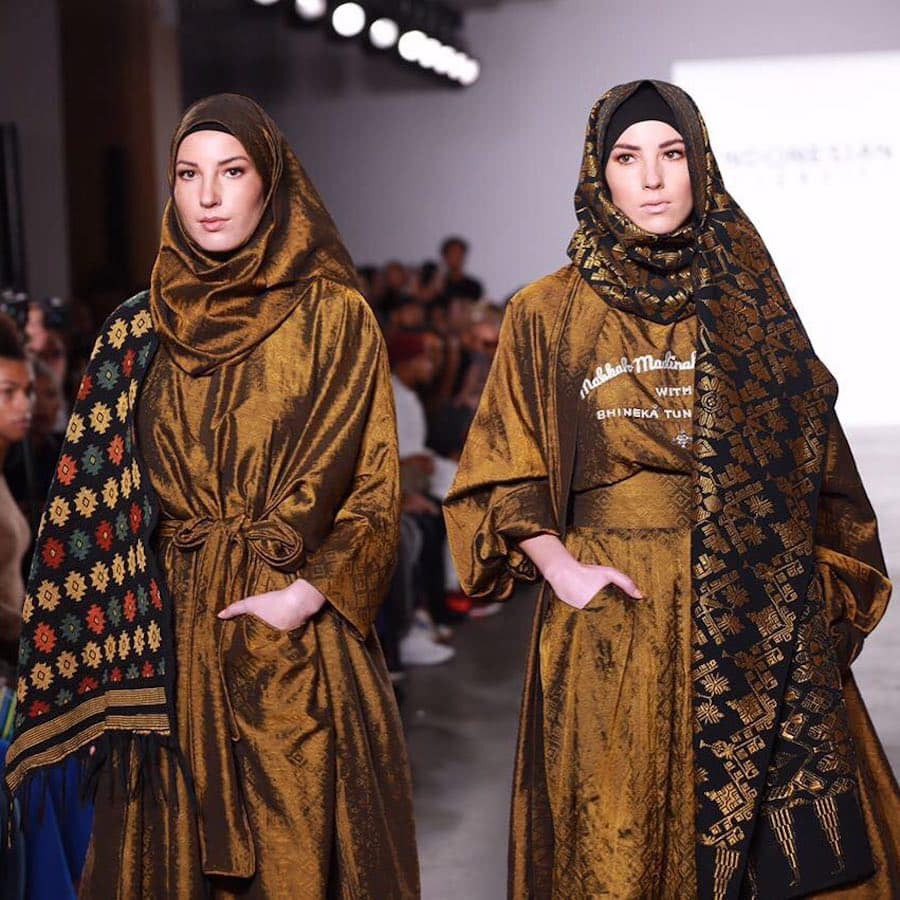
She grew up surrounded by a vibrant tapestry of cultural heritage, where traditional garments sparked her creativity from a young age. Family gatherings, infused with color and elegance, showcased the artistry of clothing that told stories of her roots. Her grandmother’s sewing skills inspired her to see fashion as more than just fabric; it became a form of expression and identity. These foundational experiences ignited a passion for designing versatile yet modest pieces that honor her culture while appealing to contemporary tastes.
- The Path to Professionalism
The transition from amateur passions to professional endeavors proved to be both challenging and enlightening. She pursued formal education in fashion design, mastering techniques ranging from pattern-making to textile selection. Networking within the industry played a significant role, leading to internships that provided invaluable, hands-on experience. Collaborating with established designers afforded her insights into the intricacies of running a successful fashion label, and she learned to balance creativity with business acumen.
During her internships, she engaged with industry veterans who shared their experiences and wisdom, shaping her understanding of market demands and branding. Participating in fashion shows allowed her to showcase her unique style while receiving constructive feedback from peers and mentors alike. Workshops on financial management and marketing strategies equipped her with skills invaluable for maintaining a sustainable fashion business. This multifaceted journey has empowered her to blend artistic vision with professionalism, setting her on a path to become a leading figure in the fashion industry.
Cultural Fusion: Weaving Tradition into Contemporary Fashion
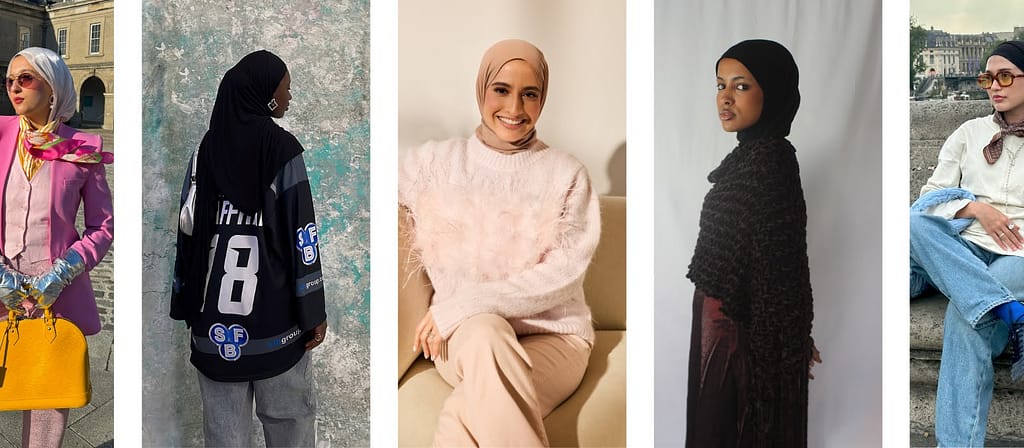
This designer masterfully integrates elements of her cultural background into contemporary fashion, creating garments that resonate with personal and communal stories. She skillfully fuses traditional fabrics and techniques with modern silhouettes, bridging generations and making heritage accessible to today’s fashion-forward audience. By doing so, her work not only celebrates her roots but also invites a global conversation on cultural appreciation and sustainable practices.
Market Dynamics: Rising Muslim Fashion Designer
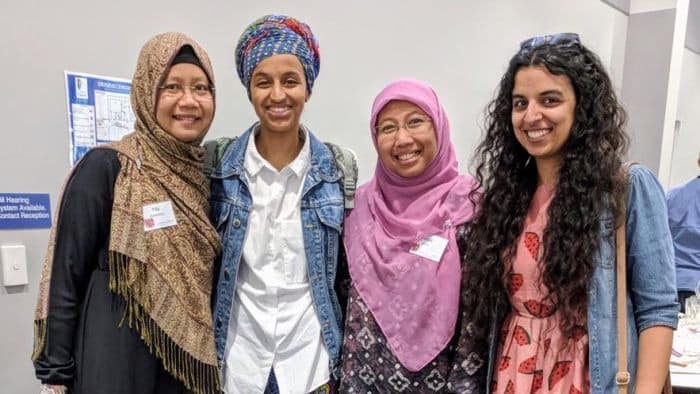
Navigating the fashion industry presents unique challenges and opportunities for Muslim designers. They often find themselves at the intersection of cultural representation and market demand, striving to create collections that honor their heritage while appealing to a diverse audience. As the global demand for inclusive fashion grows, they adapt their strategies to capture both modest fashion enthusiasts and mainstream consumers, ensuring their designs resonate across various demographics.
- Overcoming Stereotypes and Misconceptions
Barriers in the fashion industry can stem from preconceived notions about Muslim cultures. Many Muslim designers work diligently to counter these stereotypes by showcasing the richness of their heritage through innovative and stylish designs. They aim to challenge and reshape narratives by actively participating in fashion shows and collaborations.
- Highlighting diverse inspirations and aesthetics.
- Building relationships with established brands and influencers.
- Engaging in educational initiatives about Muslim culture and fashion.
- Creating a dialogue that celebrates inclusivity in style.
- Knowing that authenticity strengthens their brand identity.
| Stereotypes | Strategies for Overcoming |
| Limited understanding of modest fashion | Educating consumers through fashion shows and events |
| Cultural appropriation concerns | Celebrating collaboration with diverse designers |
| Monolithic representation of Muslim women | Showcasing diverse stories and experiences in campaigns |
| Lack of visibility in mainstream media | Utilizing social media to amplify voices and creations |
- Building a Brand That Resonates Globally
Establishing a global brand requires Muslim designers to think beyond conventional boundaries. They need to curate collections that reflect universal values while staying true to their cultural roots. This fusion not only appeals to a broad audience but also fosters a sense of belonging among consumers seeking authenticity in fashion. Leveraging platforms such as social media, they regularly interact with their clientele and gather feedback, ensuring their designs resonate on an international scale.
Successful brands often adopt a storytelling approach, connecting with customers emotionally through narratives that highlight their cultural heritage. By collaborating with global influencers and using visually striking marketing techniques, designers can showcase how their creations fit into a modern lifestyle. This adaptive strategy enables them to penetrate markets worldwide, breaking down barriers while celebrating their distinct identity in fashion design.
The Role of Community: Support Systems in Fashion Innovation
Support systems are integral to the success of emerging fashion designers, particularly within the Muslim community. They foster a sense of belonging and encourage creativity through shared experiences and collaboration. Local fashion councils and mentorship programs provide invaluable resources, enabling designers to navigate challenges while allowing their unique voices to shine. These community frameworks not only cultivate talent but also promote the diversity and richness of Muslim fashion narratives in the broader industry landscape.
- Collaborations and Networking Opportunities
Building connections across various sectors of the fashion industry opens doors for emerging designers. Collaborative efforts with established brands can bring fresh perspectives and amplify the voices of rising talents. She notes that engaging in workshops, pop-up events, and fashion shows creates a rich network of support, enhancing visibility and providing platforms for innovation. These collaborative ventures can spark new ideas and foster a sense of solidarity among designers, propelling their careers forward.
- The Impact of Social Media on Emerging Designers
Social media has transformed how emerging designers engage with their audiences and promote their brands. Platforms like Instagram and TikTok allow for instant feedback and interaction, which can significantly influence trends and brand perception. They enable designers to showcase their work, share their stories, and build a loyal following without the barriers of traditional marketing channels.
Effective use of social media has allowed designers like her to increase their reach and engagement at an exponential rate. For example, the algorithm on Instagram that rewards visually appealing content has made several fashion designers famous and given them the opportunity to interact directly with industry influencers and prospective clients. Dian Pelangi, as a successful Muslim designer using social media for her work. Sharing visually appealing posts, behind-the-scenes films, and personal narratives enhances their brand narrative and encourages community interaction, especially with over 1 billion active users.
Vision for the Future: Trends and Aspirations
With an eye toward the future, she envisions a fashion landscape where cultural diversity is celebrated, and inclusivity becomes the norm. As she looks ahead, her aspirations include collaborating with global artisans to infuse traditional craft techniques into modern designs, thereby creating timeless pieces that resonate with a wider audience. She aims to redefine not only fashion aesthetics but also the narratives surrounding modest wear, making it a viable choice for fashion-forward individuals everywhere.
- Addressing Sustainability and Ethical Practices
She is committed to sustainability, striving for eco-friendly materials and production methods that reduce waste and environmental impact. By sourcing fabrics from ethical suppliers and prioritizing local craftsmanship, she promotes responsible consumption within the fashion industry. Aiming to cultivate a supply chain that respects both artisans and the environment, her designs not only exude style but also contribute to a more sustainable future for fashion.
- Empowering the Next Generation of Designers
Empowerment takes center stage as she seeks to inspire young designers through mentorship programs and workshops. By sharing insights from her own journey, she hopes to nurture talent and encourage creativity among aspiring fashionistas. This initiative aims to create a supportive community where emerging designers can thrive, experiment with new ideas, and ultimately reshape the fashion landscape with their unique perspectives.
Providing access to resources and guidance is just the beginning of her commitment to future generations. Collaborating with fashion schools and community organizations, she actively participates in panel discussions and educational events, emphasizing the importance of understanding both the artistic and business aspects of fashion design. By establishing internships and grants for talented individuals from underrepresented backgrounds, she hopes to create pathways that allow fresh voices to enter the industry, fostering innovation and diversity in fashion for years to come.
Final Words
On the whole, the insights shared by the rising Muslim fashion designer reveal a passionate commitment to blending cultural identity with modern aesthetics. They emphasize the importance of representation in fashion, highlighting their journey and the obstacles faced along the way. Through their creativity, she inspires others to embrace their heritage while challenging stereotypes. Their vision fosters inclusivity, advocating for a broader understanding of fashion that transcends boundaries. Ultimately, this interview serves as a testament to the evolution of Muslim fashion, showcasing the designer’s significant impact in shaping the industry’s future.