Table of Contents
People often seek ways to blend their cultural and religious identity into their daily wardrobe. Muslim accessories, such as hijabs, modest clothing, and other adornments, can enhance an outfit while reflecting personal style. In this blog post, readers will discover how to incorporate Muslim accessories practical tips on how to seamlessly incorporate these accessories into their everyday attire, ensuring they feel both fashionable and true to their beliefs.
Crafting a Modest Yet Fashionable Base Wardrobe
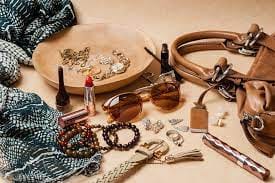
Establishing a base wardrobe that balances modesty with contemporary style starts with choosing versatile, timeless pieces. They can opt for high-waisted trousers, long skirts, and tailored blouses that provide coverage without compromising on fashion. Neutral color palettes and quality fabrics elevate these vital items, allowing for mixing and matching across seasons. Creating a cohesive wardrobe ensures a variety of looks while adhering to personal style and modesty requirements, setting the foundation for further accessory integration.
- Key Clothing Pieces for a Chic Foundation
Key items for a chic foundation include long cardigans, loose-fitting tees, and A-line dresses. These staples offer flexibility in styling and can be layered with various accessories. Additionally, incorporating tunics and classic blazers adds sophistication while ensuring the silhouette remains modest. Choosing breathable fabrics such as cotton and linen ensures comfort, while classic colors like navy, black, and beige can seamlessly transition from day to night.
- Balancing Personal Style with Modesty
Creating a personal style that aligns with modesty requires thoughtful selection of cuts and silhouettes. Loose-fitting garments allow for movement and comfort without compromising on aesthetics. Mixing prints and textures can add personality to outfits while maintaining an appropriate look. Embracing unique accessories can also enrich the overall style, allowing individuals to express their identity within a modest framework. Ultimately, personal style isn’t sacrificed; instead, it evolves into a more inclusive representation of one’s identity.
He or she can achieve a balance between personal style and modesty by selecting pieces that reflect individuality, while also staying true to their comfort levels. For instance, pairing a vibrant headscarf with a sophisticated, long-sleeved dress enables them to showcase creativity and flair. It’s also effective to experiment with layering—adding a denim jacket over a long dress can create a chic look ideal for casual outings. Subtle adjustments, such as opting for flared pants instead of skinny jeans, can seamlessly cater to individual tastes while honoring modesty.
How to Incorporate Muslim Accessories
Accessorizing with intent goes beyond mere aesthetics; it serves as a means of expressing one’s cultural heritage and religious beliefs. Through purposeful accessory choices, individuals connect with their identity and community. Utilizing traditional items in contemporary settings allows for a beautiful fusion of personal style and faith, creating a narrative that speaks to who they are. Each piece embodies history and story, thus becoming a dialogue between the wearer and those around them.
- The Role of Jewelry in Muslim Culture
Jewelry in Muslim culture is rich with symbolism and tradition, often representing personal milestones or community values. Gold and silver adornments are popular for special occasions, while intricate designs can reflect religious significance or cultural heritage. Wearing pieces like filigree earrings or hand-crafted bangles often ties an individual to their roots, making each adornment a conversation starter about their identity and beliefs.
- Statement Pieces: Scarves and Head Wraps
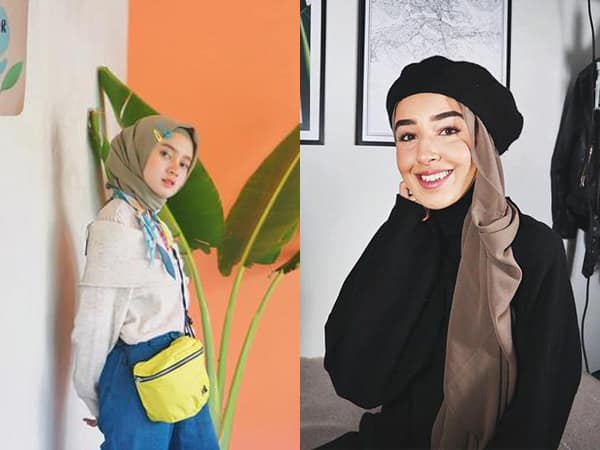
Scarves and head wraps serve as prominent statement pieces, transforming everyday outfits into expressions of self. These versatile accessories can be styled in numerous ways, reflecting personal taste while adhering to modesty principles. From vibrant patterns to elegant solids, scarves can elevate a simple look or add a cultural touch to modern attire. She often chooses scarves that include meaningful designs or colors that resonate with her identity, allowing her to showcase her heritage and faith effortlessly.
In various cultures, head wraps and scarves are worn to signify more than fashion; they often have deep-rooted meanings. Women may choose a particular style to mark significant life events or convey solidarity with a community. For example, the hijab is not just an article of clothing but a token of modesty and spiritual commitment. The unique pairing of colors and patterns can tell a story, whether pulling from traditional textiles or contemporary designs.
Seasonal Strategies: Adapting Accessories Year-Round
Transitioning accessories to match the changing seasons allows for creative expression while maintaining modesty and individual style. By thoughtfully selecting colors, fabrics, and layering techniques, he or she can enhance their outfits for any climate. Accessory choices should not only reflect personal aesthetics but also provide comfort and practicality throughout the year.
- Summer Inspirations: Lightweight Fabrics and Bright Colors
In summer, opting for lightweight fabrics is key to staying cool. Breezy scarves in chiffon or cotton blend seamlessly with a variety of outfits, while bold and vibrant colors bring a fresh zest to any look. Accessories like wide-brimmed hats or embellished sandals can also accentuate lighter clothing choices, creating a cheerful yet modest ensemble perfect for warmer months.
- Winter Essentials: Layering and Textures
Winter demands a strategic approach to accessories, focusing on layering and rich textures to create visual interest while staying warm. They can mix chunky knit shawls with sleek overcoats or incorporate statement scarves that not only offer warmth but also serve as striking focal points. Textured fabrics like wool or cashmere add depth to their ensembles, ensuring they remain stylish even in the coldest months.
When layering in winter, she can start with a fitted turtleneck and build outward with a stylish cardigan or a long, tailored coat. Accessories like textured gloves or intricate beanies provide warmth while allowing for personal flair. You might also consider pairing a patterned hijab with a structured outer layer, which elevates her look and adds dimension. The key lies in balancing warmth with modesty, ensuring both function and fashion are preserved in each carefully curated outfit.
Empowering Personal Expression through Accessories
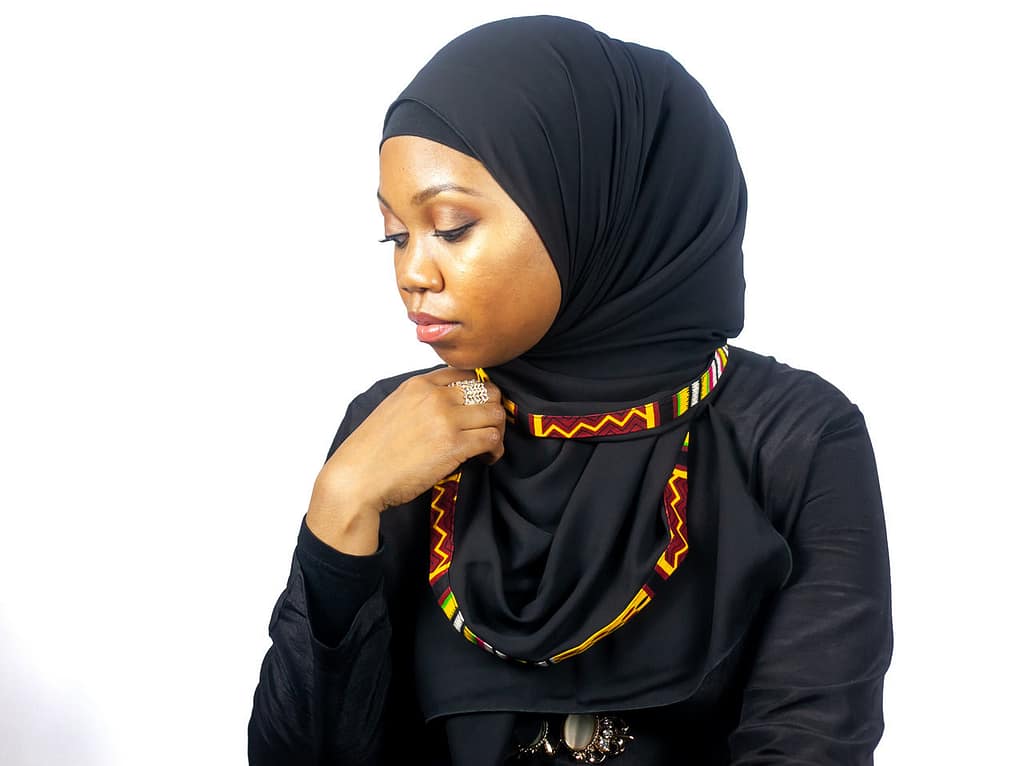
Accessories serve as powerful tools for personal expression, enabling individuals to reflect their unique identities and beliefs. By integrating Muslim accessories into their wardrobes, they can showcase both cultural pride and personal style. From intricately designed hijabs to vibrant shawls, these pieces not only enhance outfits but also tell a story about heritage and individuality. Each accessory becomes a statement, allowing them to embrace their roots while remaining stylish and modern. Through this thoughtful curation, she channels confidence and articulates her identity to the world.
- Combining Traditional and Contemporary Styles
Blending traditional Muslim accessories with contemporary fashion trends allows for a fresh and dynamic approach to personal style. She might pair a classic embroidered scarf with tailored trousers or a traditional tunic layered under a chic jacket. This fusion creates a unique look that honors heritage while fitting seamlessly into modern settings. When traditional motifs are incorporated into contemporary silhouettes, they transform everyday attire into a vibrant expression of self.
- The Impact of Color and Design in Identity
Color choices and design elements play a significant role in how individuals express their identity through accessories. Certain colors may resonate culturally or be tied to personal significance, creating a sense of belonging. For instance, the colors of the Palestinian flag often inspire designs that evoke a sense of pride and connection among Palestinians. Similarly, unique patterns can honor region-specific traditions or craft techniques, further enriching the narrative woven into each accessory.
Selecting colors and designs not only communicates personal style but also encapsulates deeper meanings. For many, accessories in hues like green and gold symbolize prosperity and peace, while intricate designs might reflect the artistry of their cultural backgrounds. These choices contribute to a sense of empowerment and allow her to make bold statements about who she is. Furthermore, considering trends can enhance their appearance, making accessories versatile for various occasions, creating a delightful fusion of identity and fashion.
Connecting with the Community: Influencers and Trends
Muslim fashion influencers play a vital role in shaping trends within the community by merging cultural integrity with contemporary styles. By sharing their styling tips on various platforms, they inspire believers to express their identity through fashion. The authenticity of their content resonates with followers, making them powerful advocates for Muslim accessories that cater to both personal taste and religious obligations.
- How Social Media Shapes Accessories Choices
Platforms like Instagram and TikTok significantly influence how individuals perceive and select Muslim accessories. Many influencers showcase their unique takes on traditional pieces, encouraging followers to explore various styles that blend modernity with heritage. This visibility not only helps demystify religious attire but also fosters a sense of acceptance and celebration within the broader fashion industry.
- Celebrating Diversity: Stories from Muslim Fashion Creators
Muslim fashion creators share diverse narratives that reflect their cultural backgrounds and personal experiences. Many of these creators have tailored their collections to honor their heritage, offering everything from traditional hijabs adorned with contemporary prints to elegant abayas that reflect global fashion trends. Their stories often highlight the significance of inclusivity, empowering others to embrace their cultural identity in a stylish way.
For instance, Muslim fashion designer Hana Tajima has built a remarkable brand focused on combining modesty with elegance. Her collections often feature unique fabrics and designs, while her journey illustrates how creativity can thrive within constraints. Influencers like Nour Arida and Ascia Akf are also known for breaking barriers in the fashion world, showcasing outfits that emphasize their Islamic heritage while appealing to modern sensibilities.
Conclusion
As a reminder, incorporating Muslim accessories into everyday outfits can enhance personal style while honoring cultural identity. By thoughtfully selecting items such as hijabs, scarves, jewelry, and modest clothing, you can create versatile looks that reflect your values. They might choose to mix and match colors and patterns to express creativity, or opt for minimalist designs to maintain elegance. Ultimately, the goal is to blend these accessories seamlessly into their wardrobe, ensuring that she feels confident and comfortable in her fashion choices while staying true to her roots.