Table of Contents
Fashion isn’t just about clothes; it’s a movement fueled by voices that resonate with your lifestyle and values. The global Islamic clothing market size was estimated at USD 59.7 billion in 2017 and is expected to witness a 5.0% CAGR in terms of revenue over the forecast period. Preferences for modest fashion wear coupled with increasing Islamic population is expected to drive the growth.
You see, Muslim fashion bloggers are shaping market trends by showcasing styles that reflect both faith and individuality. Their authentic perspectives and innovative approaches challenge traditional norms, opening up a world of opportunity for brands and consumers alike. By following their journeys, you can tap into the evolving landscape of fashion that’s as diverse as you are, driving trends that matter to you.
The Rising Influence of Muslim Fashion Bloggers
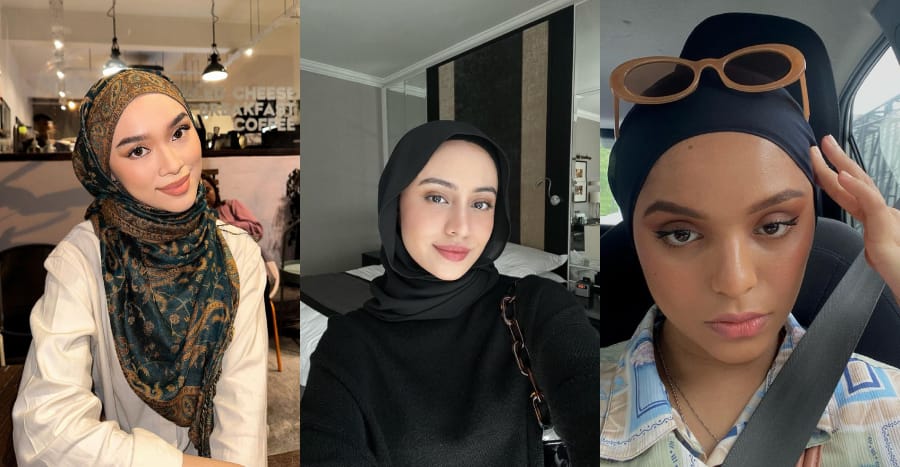
Muslim fashion bloggers are increasingly dominating the digital landscape, transforming the way the fashion industry perceives modest wear. These influencers effectively combine cultural identity with modern trends, showcasing how spirituality and style coexist. As you engage with their content, you’ll notice they pave the way for unique fashion statements that cater to a diverse audience while appealing to mainstream brands eager to tap into this burgeoning market.
- The Shift in Cultural Narratives
Cultural narratives around fashion are evolving, driven significantly by Muslim fashion bloggers who challenge stereotypes. You see them reframing the conversation about modesty, presenting it not as a limitation but as a stylish choice. This shift encourages brands and consumers alike to embrace a broader definition of beauty, allowing for richer representation in the fashion world.
The emergence of Muslim fashion influence signifies a dramatic change in cultural narratives, changing the ways in which style and modesty coexist on international stages. Modest fashion has historically been seen through a limited cultural prism, frequently confined to local trends. By fusing contemporary style with religious principles, Muslim fashion bloggers and influencers are changing this attitude today.
This change has been mostly driven by social media. Muslim fashion bloggers now have a platform to display their diverse styles on sites like YouTube, Instagram, and TikTok. They combine traditional clothing like kaftans, abayas, and hijabs with international design trends. By presenting modest clothing as uplifting and aspirational rather than constrictive, this fusion dispels prejudices.
- Key Players Shaping the Industry
Several key figures among Muslim fashion bloggers are setting benchmarks within the industry, influencing brand collaborations and consumer choices. Icons like Dina Tokio and Nura Afia not only create stunning content but also advocate for inclusivity, pushing brands to recognize the potential of modest fashion. Their authentic engagement with followers fosters brand loyalty and encourages a model that values community and representation.
Names like Amena Kin and Huda Kattan are reshaping the landscape by blending beauty, lifestyle, and fashion, driving engagement and conversations around modest clothing. Their follower counts, often in the millions, reflect their power to sway trends and encourage brands to incorporate modest options into their collections. They don’t just showcase clothing; they embody a lifestyle that resonates deeply with audiences who have felt unseen in traditional spaces. This expanding community not only advocates for stylish, modest options but also cultivates a vibrant marketplace that recognizes the demands of modern consumers who seek both faith and fashion in their choices.
Digitally Driven Trends: Algorithms and Engagement
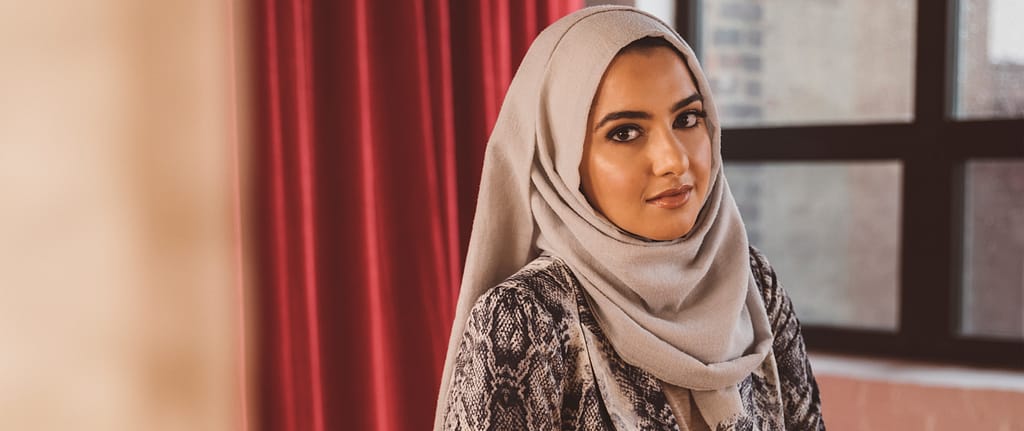
Your feed isn’t just a stream of posts; it’s curated by algorithms that analyze engagement patterns. Muslim fashion bloggers leverage this to craft content that resonates with their audience. By understanding what catches your eye, they create posts enhanced by timing, hashtags, and interactivity, ensuring their styles not only reach you but also engage and inspire. This intentional approach highlights the power of digital tools in shaping trends that align with your preferences.
- Social Media Platforms as Trend Amplifiers
For Muslim influencers, social media platforms have developed into potent trend amplifiers, turning modest fashion into a worldwide movement. Based on research, influencers can reach audiences far beyond their local areas by showcasing their innovative hijab, abaya, and modest clothing styling on platforms like Instagram, TikTok, and YouTube. They influence fashion tastes, encourage purchases, and work with companies that aim for cultural diversity through reels, tutorials, and look books. Local fashions are almost immediately transformed into worldwide trends by visually appealing content and viral hashtags. As a result, Muslim influencers redefine beauty standards and promote fashion, fusing faith, culture, and contemporary aesthetics for a global audience of fashion-conscious individuals.
- User-generated Content and Consumer Behavior
User-generated content (UGC) fosters a community dynamic that shapes consumer behavior. When you see real people, not just influencers, rocking the latest looks, it creates a powerful social proof effect. Your buying decisions are influenced by relatable testimonials, where peers become ambassadors of style, showcasing how fashion integrates into everyday life. This interaction fosters trust, making you more likely to engage and invest in these trends.
The Intersection of Faith and Fashion: Crafting Unique Identities
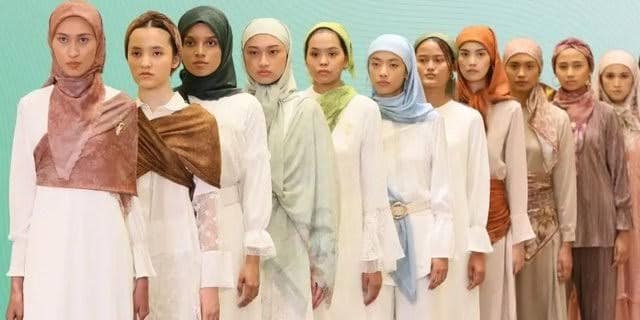
Modest fashion thrives at the intersection of faith and personal identity, allowing you to express who you are while honoring your beliefs. This unique blend elevates style beyond mere aesthetics, intertwining cultural heritage and individual expression. Through creative combinations of traditional garments and contemporary trends, you’re empowered to showcase a captivating, multifaceted self that resonates with both your faith and your fashion sense.
- Customization of Modest Fashion
Customization in modest fashion gives you the freedom to blend personal taste with cultural significance. Designers and bloggers alike encourage you to experiment with styles, fabrics, and silhouettes, creating garments that mirror your identity. This personalized approach not only enhances your fashion experience but also contributes to a diverse market that celebrates individuality in modest wear.
- Expressing Beliefs Through Style Choices
Your style choices carry the weight of personal beliefs and cultural narratives, making each outfit a statement of who you are. Fashion bloggers amplify this message by showcasing garments that align with their faith and values, encouraging you to embrace your own unique expression. Through thoughtful selections, you can weave your beliefs into statements that extend well beyond fabric, impacting societal perceptions of modesty.
Each piece you choose serves as a canvas to paint your beliefs, reflecting not only cultural pride but also a commitment to modesty. Influencers like Dina Tokio and Ascia Al Faraj showcase how layering modern pieces with traditional attire creates a visual dialogue that speaks volumes about their identities. These choices resonate with millions, motivating you to explore new trends while remaining authentic to your values. The fusion of faith and fashion becomes a powerful tool for storytelling, allowing you to redefine norms and inspire others on a similar journey.
Market Dynamics: The Economic Impact of Muslim Fashion Influencers
Muslim fashion influencers are reshaping consumer behaviors and demand, driving significant changes in market dynamics. Their ability to curate styles that resonate with both modesty and modernity has catalyzed a surge in interest and investment within the sector. This shift is not just about aesthetics; it reflects a broader understanding of diverse consumer needs and preferences, with brands increasingly recognizing the financial potential of engaging with this audience.
- The Growth of Modest Fashion Retail
The modest fashion retail market has experienced exponential growth, estimated to reach $295 billion by 2023. The rise of online platforms and social media has facilitated access to this niche, allowing consumers to find styles that align with their lifestyle and beliefs. Retailers catering to this market are not just filling a gap; they are meeting a demand, as evidenced by the increasing number of brands launching dedicated modest lines.
- Collaboration Opportunities with Brands
Collaboration between Muslim fashion bloggers and established brands creates a win-win scenario. By partnering with influencers, brands gain authentic voice and credibility, while bloggers can monetize their platforms and expand their reach. These collaborations often result in exclusive collections that not only cater to modest fashion but also drive sales through targeted marketing strategies.
For example, high-profile collaborations like the one between Nike and Muslim influencer Hana Tajima exemplify how brands can successfully blend cultural sensibility with mainstream appeal. These partnerships often lead to co-created products that embody the influencer’s style and the brand’s identity, attracting a dedicated customer base eager for representation in fashion. As influencers continue to shape trends, brands must recognize the value of these collaborations in making their offerings more relatable and appealing to the modern consumer.
Bridging Traditional and Contemporary: The Future of Muslim Fashion
The fusion of tradition and modernity is transforming Muslim fashion, pushing boundaries while honoring cultural roots. Designers are leveraging traditional textiles and patterns in innovative ways, appealing not only to Muslim consumers but also to a broader, style-savvy audience. This evolution empowers you to express your identity authentically, blending personal style with heritage. As a result, the landscape of modest fashion is increasingly vibrant, with new trends emerging that challenge stereotypes and celebrate diversity.
- Innovative Designs Reshaping Modest Fashion
Dynamic designers are reimagining modest fashion with bold cuts, unique silhouettes, and unexpected patterns. Your wardrobe can now pivot from conventional interpretations to pieces that challenge norms while remaining stylishly modest. These innovative designs cater to youthful aesthetics and personal expression, showcasing that modesty can seamlessly coexist with high-fashion trends.
- Sustainability and Ethical Consumption Trends
The shift towards sustainability in the fashion industry is gaining momentum, with a focus on ethical consumption that resonates deeply within the Muslim community. As you consider your wardrobe choices, an increased awareness of eco-friendly materials and production processes is vital. This conscious approach not only aligns with Islamic principles but also sets a standard for brands to prioritize transparency and social responsibility.
Research indicates that 66% of consumers are willing to pay more for sustainable brands. This trend is particularly evident among younger shoppers, who are advocating for ethical practices in fashion. Brands like Modanisa and Aab are leading the charge by incorporating recycled materials and ethical labor practices, inspiring you to make informed choices. Engaging with these brands not only enhances your style but also enables your contribution to a more sustainable fashion future, aligning with both personal values and global needs. The impact of your choices resonates far beyond the shopping cart; it promotes a cultural shift in how the fashion industry operates.
Conclusion
Considering all points, you see how Muslim fashion bloggers are not just influencers; they’re trendsetters reshaping the entire market landscape. Their authentic connections with audiences allow you to tap into unique styles that resonate deeply, proving that cultural representation matters. You need to stay on top of these evolving trends to position yourself at the forefront of the fashion industry. By engaging with these voices and embracing their perspectives, you can elevate your brand and truly connect with a diverse, global audience.