
Table of Contents
In this article, we will explore the world of Muslim clothing and how it beautifully merges cultural heritage with modern style. Whether you are a Muslim fashion enthusiast or simply interested in learning more about this unique and diverse clothing market, we have got you covered. Join us as we delve into the rich history, diverse styles, and contemporary trends of Muslim clothes.
History of Muslim Clothing
Origins of Muslim Clothing
Muslim clothing has a rich and fascinating history that dates back to the origins of Islam. The origins of Muslim clothing can be traced back to the time of Prophet Muhammad, who set the standard for modesty and simplicity in dress for both men and women. The Quran, the holy book of Islam, emphasizes the importance of modesty in clothing and encourages Muslims to dress in a way that reflects their faith and values.
Evolution of Muslim Clothing
Over the centuries, Muslim clothing has evolved and adapted to different cultural influences and regional styles. In the early days of Islam, the clothing worn by Muslims was simple and practical, reflecting the desert environment in which they lived. However, with the spread of Islam to different parts of the world, Muslim clothing began to incorporate local fabrics, colors, and designs, resulting in a wide variety of styles.
The influence of different empires and dynasties also played a significant role in shaping the evolution of Muslim clothing. For example, during the Ottoman Empire, which spanned several centuries, Turkish and Persian influences became prominent in Muslim clothing. This led to the development of garments such as the Ottoman caftan, a long, loose robe-like garment, and the turban, a traditional headwear.
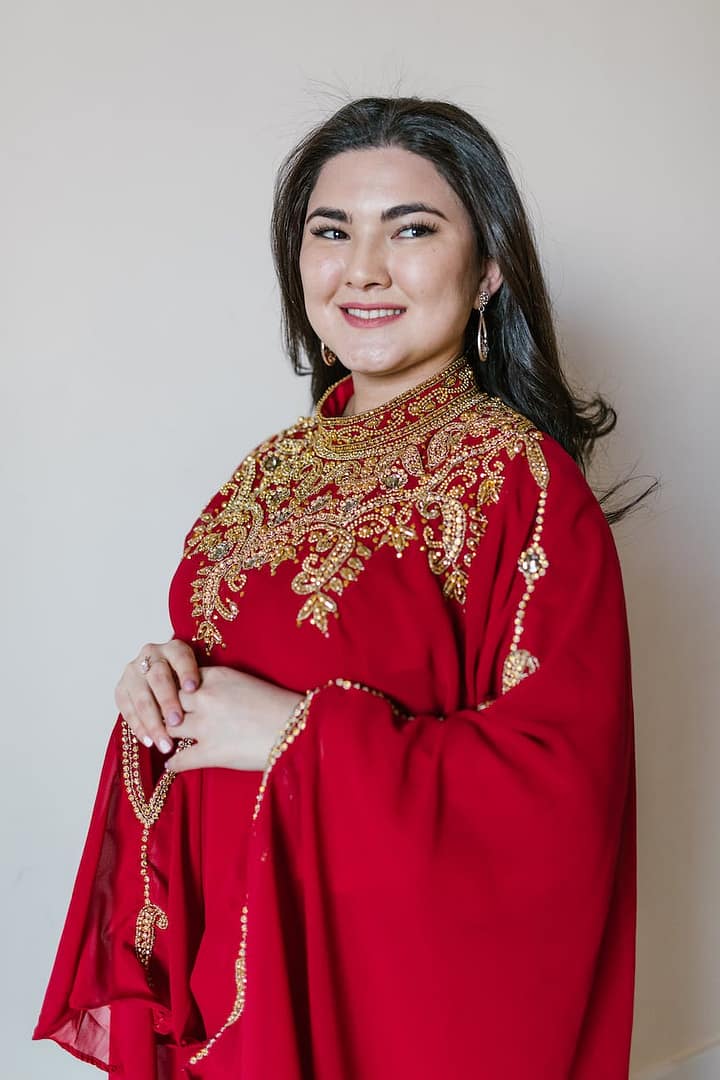
In more recent times, globalization and advancements in fashion have also had an impact on Muslim clothing. Muslim fashion designers and entrepreneurs have emerged, creating innovative and stylish clothing that combines traditional elements with modern trends. This has allowed Muslims to express their faith while also embracing their individual styles and preferences.
Significance of Muslim Clothing
Muslim clothing holds significant cultural and religious importance for Muslims around the world. It serves as a visual representation of one’s faith, identity, and commitment to Islam. The modesty and simplicity of Muslim clothing reflect the values of humility, modesty, and piety that are central to the Islamic faith.
Muslim clothing also fosters a sense of unity and belonging among Muslims. By adhering to a common dress code, Muslims are able to identify and recognize each other, regardless of their nationality or background. This sense of unity helps to strengthen the bonds within the Muslim community and promotes a feeling of solidarity.
Moreover, Muslim clothing empowers individuals to maintain their cultural and religious heritage in a world that is often influenced by Western fashion trends. It allows Muslims to navigate the modern world while staying true to their beliefs and traditions.
In conclusion, the history of Muslim clothing is a testament to its significance and importance in the Muslim community. From its origins in the time of Prophet Muhammad to its evolution and adaptation to different cultures and styles, Muslim clothing continues to be a source of pride, identity, and faith for Muslims worldwide.
Types of Muslim Clothing
Hijab
The hijab is a well-known and widely worn piece of Muslim clothing. It is a headscarf that covers the hair and neck, leaving the face exposed. The hijab is not only a religious symbol but also a fashion statement for many Muslim women. It comes in various styles, colors, and fabrics, allowing women to express their personal style while adhering to their religious beliefs. Some common styles of hijab include the traditional square hijab, the rectangular Shayla, and the trendy turban hijab.
Abaya
Another popular type of Muslim clothing is the abaya. It is a loose-fitting, ankle-length garment that is worn over regular clothing. The abaya is often black in color and is designed to cover the entire body, including the arms. It is commonly worn by women in the Middle East and other Muslim-majority countries as a symbol of modesty and cultural identity. Despite its simplicity, the abaya has evolved over the years to incorporate fashionable designs, intricate details, and embellishments, making it a stylish choice for women who want to blend tradition with fashion.
Thobe
The thobe, also known as a dishdasha or kandura, is a traditional garment worn by Muslim men. It is a long robe-like garment that reaches the ankles and is typically white in color. The thobe is often worn with a head covering called a ghutra or shemagh. This attire is commonly seen in the Arab world and is a symbol of cultural pride and tradition. While the thobe has remained relatively unchanged in its basic design, modern variations have emerged that feature different colors, patterns, and styles, allowing men to make fashion statements while maintaining their cultural heritage.
In conclusion, Muslim clothing encompasses a wide range of styles and designs that blend tradition with fashion. From the hijab to the abaya and thobe, these garments not only represent religious and cultural significance but also offer individuals the opportunity to express their personal style. Whether it is through the choice of fabric, color, or intricate detailing, Muslim clothing allows men and women to embrace their identity while staying true to their traditions.
Tradition MEETS FASHION Muslim Clothing
Muslim clothing has a rich history and is deeply rooted in tradition. It not only reflects the values and beliefs of the Islamic faith but also represents cultural diversity and identity. Traditional Muslim clothing is known for its modesty and the way it seamlessly combines tradition with fashion.
Modest Fashion
Modesty is a fundamental aspect of Muslim clothing. It is believed that modesty promotes humility and protects one’s integrity. Modest fashion for Muslim women typically includes loose-fitting garments that cover the body, such as abayas, jilbabs, and hijabs. These garments are designed to ensure that a woman’s shape and figure are not prominently displayed, emphasizing her inner beauty and character instead.
While modesty is a central concept, Muslim fashion has evolved over time to incorporate modern trends and styles. Today, there is a wide range of modest fashion options available, allowing Muslim women to express their individuality and personal style while adhering to Islamic dress codes.
Islamic Dress Codes
Islamic dress codes, also known as hijab or modesty guidelines, are derived from the Quran and Hadith (sayings and actions of Prophet Muhammad). These guidelines vary among different Muslim communities and cultures, but they all share the common goal of promoting modesty and decency.
For women, the hijab is a common form of Islamic dress that typically includes a headscarf, covering the hair, neck, and sometimes the shoulders. Additionally, women may choose to wear loose-fitting clothes that cover their entire body, such as abayas or jilbabs, to fulfill the requirements of modesty.
Men also have their own set of guidelines, which often include wearing loose-fitting garments that cover the body, such as thobes or dishdashas. Some men may also wear a cap or head covering, known as a kufi or taqiyah, as a sign of respect and adherence to Islamic traditions.
Cultural Influences on Muslim Clothing
Muslim clothing is not solely influenced by religious guidelines but also by the diverse cultures and regions where Muslims reside. Different countries and communities have their own unique styles and variations of traditional Muslim clothing.
For example, in Arab countries, the abaya is a common choice for women. It is a loose-fitting black cloak that covers the entire body, often embellished with intricate embroidery or embellishments. On the other hand, in South Asia, women often wear colorful and vibrant garments, such as shalwar kameez or sarees, while still adhering to modesty guidelines.
These cultural influences on Muslim clothing add a touch of diversity and individuality, allowing Muslims to express their heritage and regional identity through their attire. It also showcases the versatility of traditional Muslim clothing, proving that it can be both fashionable and respectful of religious beliefs.
In conclusion, traditional Muslim clothing is a beautiful fusion of tradition and fashion. It embraces modesty while incorporating cultural influences and individual style. By understanding the significance of modest fashion, Islamic dress codes, and the cultural diversity within Muslim clothing, one can truly appreciate the depth and beauty of this unique form of attire.
Modern Trends in Muslim Clothing
In recent years, there has been a noticeable shift in the fashion industry towards catering to the needs and preferences of Muslim women. This has led to the emergence of modern trends in Muslim clothing that successfully merge tradition with fashion. Let’s take a closer look at some of these trends.
Fashion Brands Catering to Muslim Fashion
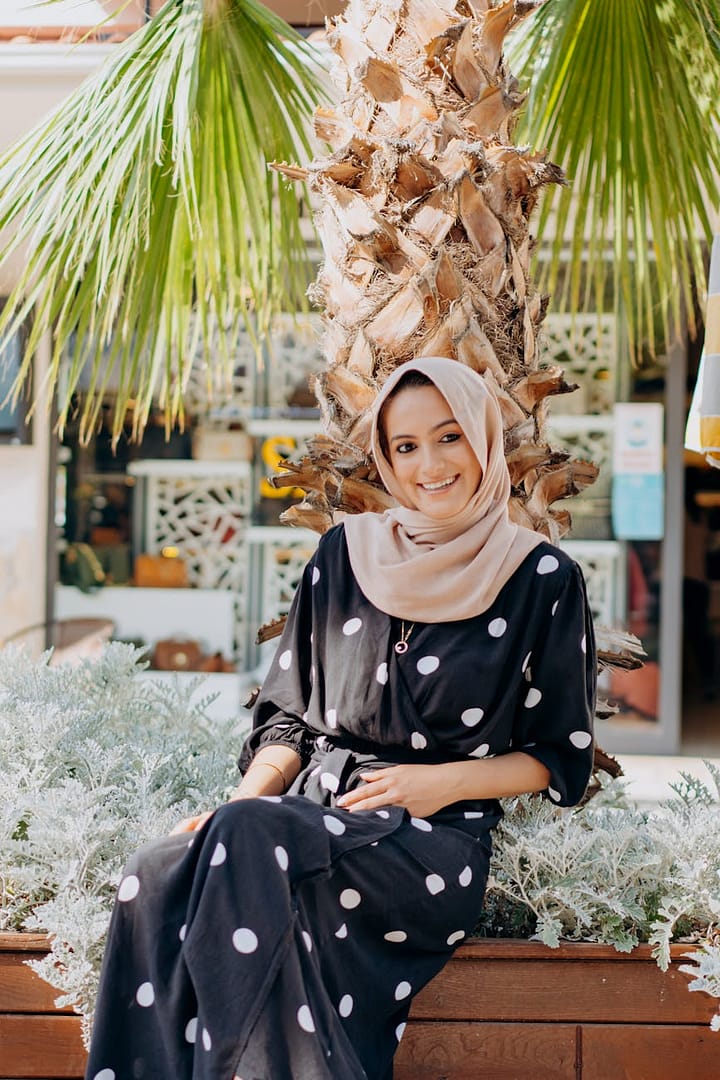
Several fashion brands have recognized the potential and demand for stylish and modest clothing among Muslim women. These brands have taken it upon themselves to provide a wide range of options that not only adhere to Islamic standards of modesty but also incorporate contemporary designs. From luxury labels to high street brands, the fashion industry is witnessing a surge in the number of fashion brands catering specifically to Muslim fashion.
These brands understand the importance of offering diversity in styles, colors, and fabrics to cater to different tastes and preferences. With the inclusion of features like longer hemlines, full sleeves, and higher necklines, they ensure that Muslim women can express their personal style while staying true to their religious beliefs.
Modest Fashion Runways
The rise of modest fashion runways has played a crucial role in showcasing the fusion of tradition and fashion in Muslim clothing. These runways provide a platform for designers to display their creative interpretations of modest clothing, challenging the stereotype that modesty equates to dull or outdated fashion.
Modest fashion runways have become a global phenomenon, with events being held in major fashion capitals around the world. These platforms not only give exposure to emerging Muslim fashion designers but also allow established designers to incorporate modest elements into their collections. By highlighting the beauty and versatility of modest fashion, these runways have helped break down barriers and foster inclusivity within the fashion industry.
Influence of Social Media on Muslim Fashion
Social media has played a significant role in shaping and popularizing Muslim fashion trends. With platforms like Instagram, Muslim fashion influencers and bloggers have gained substantial followings, inspiring and guiding Muslim women in their fashion choices.
These influencers use their platforms to showcase stylish yet modest outfits, providing inspiration and tips on how to style different pieces of clothing. By sharing their personal experiences and journeys with fashion, they have created a sense of community and empowerment among Muslim women who wish to express their fashion sense while adhering to their religious values.
Moreover, social media has allowed Muslim fashion brands to reach a wider audience, enabling them to connect with potential customers globally. Through visually appealing content and engaging storytelling, these brands have successfully built a strong online presence and established themselves as leaders in the Muslim fashion industry.
In conclusion, modern trends in Muslim clothing have emerged as a result of the fashion industry’s recognition of the demand for stylish and modest attire. Fashion brands catering to Muslim fashion, the rise of modest fashion runways, and the influence of social media have all contributed to the evolution and acceptance of Muslim fashion on a global scale. With tradition and fashion converging, Muslim women now have a plethora of options to choose from, allowing them to express their personal style while staying true to their cultural and religious values.
Muslim Clothing and Identity
Expression of Faith
Muslim clothing plays a significant role in expressing one’s faith. It serves as a visual representation of an individual’s commitment to Islam and their religious values. By adhering to the guidelines of modesty outlined in the Quran, Muslim men and women showcase their dedication to their faith through their choice of clothing.
For Muslim women, the hijab is a symbol of their devotion to God. It covers the hair and neck, reflecting their desire to maintain a sense of modesty and preserve their beauty for their families and future partners. The hijab also serves as a means of self-expression, allowing women to showcase their personal style through different colors, fabrics, and designs while adhering to the principles of Islam.
Muslim men, on the other hand, often wear long robes known as thawbs or dishdashas, paired with a head covering called a keffiyeh or a turban. These garments not only fulfill the requirement of modesty but also demonstrate a commitment to Islamic traditions. By wearing these distinctive pieces, Muslim men can proudly display their religious identity and their dedication to their faith.
Cultural Identity
Muslim clothing not only represents religious identity but also serves as a reflection of cultural heritage. The diverse range of Muslim clothing styles across different countries and regions highlights the rich tapestry of Islamic culture. From the vibrant and intricately embroidered abayas of Saudi Arabia to the stylish and contemporary baju kurung worn in Malaysia, each outfit tells a unique story deeply rooted in tradition and history.
Clothing choices often reflect the cultural customs, climate, and traditions of a particular region. For instance, in countries with hot climates, loose-fitting and breathable fabrics such as cotton or linen are preferred to ensure comfort and modesty. Traditional patterns, motifs, and embroidery techniques passed down through generations further contribute to the cultural identity encapsulated in Muslim clothing.
Muslims living in diaspora communities often blend their cultural heritage with the fashion trends of their adopted countries. This fusion of traditions creates a unique and diverse range of clothing styles that not only celebrate Islamic values but also embrace the influences of the multicultural societies in which they reside.
Challenges and Misconceptions
Muslim clothing has unfortunately been subjected to various challenges and misconceptions. In some societies, individuals wearing Muslim clothing may face discrimination, stereotypes, or even Islamophobia. The lack of understanding about the significance and diversity of Muslim clothing often leads to misconceptions and generalizations.
It is important to emphasize that Muslim clothing is not a symbol of oppression but rather a personal choice and an expression of faith. By understanding the cultural and religious significance behind these garments, we can challenge stereotypes and foster a more inclusive society.
Furthermore, misconceptions surrounding Muslim clothing often arise due to limited exposure and knowledge. By promoting dialogue and education, we can bridge the gap of understanding and encourage acceptance and appreciation for the diversity within Muslim communities.
In conclusion, Muslim clothing goes beyond mere fashion trends or traditions; it is a powerful and meaningful expression of faith and cultural identity. By recognizing the importance of Muslim clothing in shaping individual and community identities, we can foster a more inclusive and understanding society.
In conclusion, Muslim clothes have become a vibrant expression of tradition and fashion, reflecting the diverse cultures and styles within the Muslim community. From the modesty of the hijab to the intricate designs of abayas and thobes, these garments not only uphold religious beliefs but also enable individuals to embrace their cultural heritage. With the increasing visibility of Muslim fashion designers and influencers, the industry is evolving to offer more options that cater to both religious requirements and personal style preferences. As the intersection of tradition and fashion continues to evolve, Muslim clothes will undoubtedly remain an integral part of the global fashion landscape, promoting inclusivity and celebrating diversity.