
Table of Contents
Climate change is transforming everything around you, including the fashion industry. With the increase in temperatures and changes in weather patterns, your Muslim clothing designs selections will have to adjust to this new reality. You’ll discover creative designs that harmonize cultural identity and practicality, keeping you comfortable and fashionable amidst climate change. Accepting these changes goes beyond merely staying current; It’s about making a statement with your future attire. Let’s take a look at how these difficulties are motivating new creativity in the design of Muslim clothing.
The Intersection of Climate Change and Cultural Identity
Climate change reshapes not just weather patterns but also cultural identities, compelling you to adapt traditional clothing designs. As rising temperatures and altered climates impact the environment, your Muslim clothing designs through fashion will also evolve. Reflecting local climates and environmental challenges, your clothing choices will increasingly become a dialogue between personal identity, sustainability, and the pressing realities of a warming world.
- How Environmental Shifts Influence Fashion Choices
Environmental changes drive significant shifts in your fashion choices, as designs must accommodate extreme weather conditions. For example, the surge in humidity or intense heat can prompt the use of lightweight, breathable fabrics that align with traditional styles while ensuring comfort and functionality. This merges necessity with aesthetic, creating a new genre of fashion that acknowledges both cultural roots and climate reality.
- The Role of Cultural Heritage in Muslim Clothing Designs
Cultural heritage plays a pivotal role in how you adapt clothing to suit contemporary environmental challenges. Your ancestors’ traditional attire, often deeply tied to regional climates, serves as a foundational blueprint. By integrating sustainable materials and techniques, you not only honor your heritage but also create Muslim clothing designs that resonate with modern sustainability goals, ensuring these forms of expression remain relevant.
The integration of cultural heritage in clothing adaptations is a powerful way to bridge the past and present. By looking into traditional practices, you can discover techniques that minimize environmental impact while preserving unique cultural aesthetics. For instance, hand-weaving methods or natural dyeing processes can be revitalized using ecological materials, leading to fashion that celebrates your identity and reflects a commitment to sustainability. Look for inspirations in your cultural history to create functional yet stylish pieces, enhancing both community ties and environmental awareness.
Innovations in Sustainable Fabrics
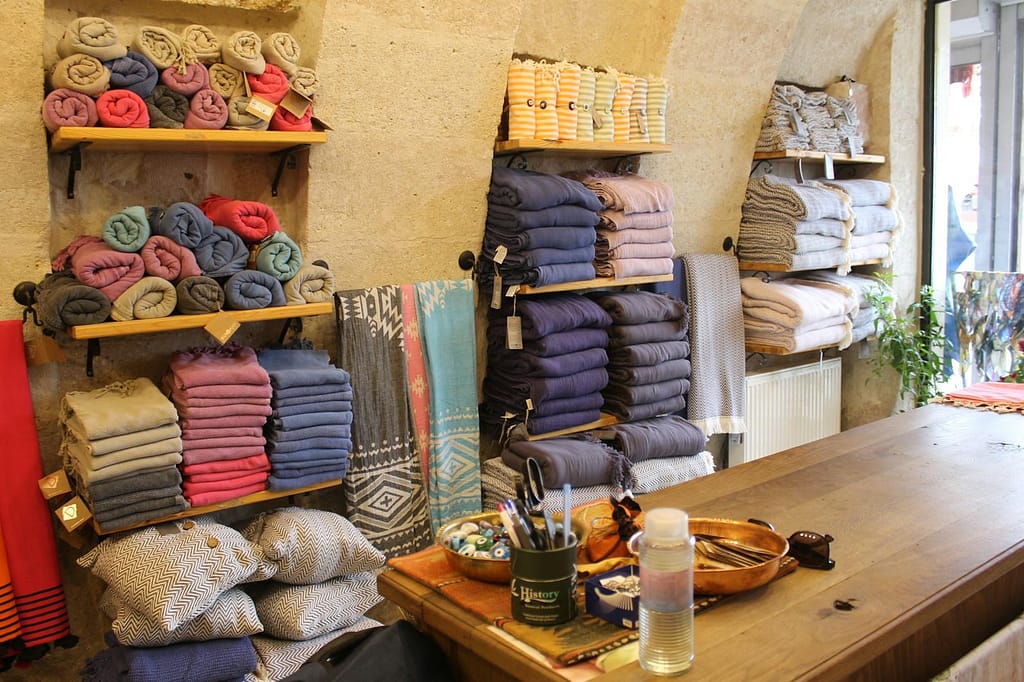
As the fashion world evolves, sustainability has taken center stage. Innovations in sustainable fabrics are reshaping how you think about your wardrobe. Brands are now utilizing organic materials, recycled fibers, and low-impact dyes, resulting in eco-friendly clothing without sacrificing style. For instance, hemp and bamboo are gaining popularity as they require less water and pesticides, making them ideal options for your Muslim attire. Embracing these fabrics not only helps the planet but also aligns with a more conscious lifestyle.
- Emerging Eco-Friendly Textiles for Muslim Attire
New eco-friendly textiles are emerging that cater specifically to Muslim clothing designs, such as organic cotton blends and Tencel, made from sustainably sourced wood. These materials are not only biodegradable but also breathable and moisture-wicking, perfect for modest fashion. You’ll find brands introducing innovative designs that effortlessly combine function and fashion. By choosing these textiles, you contribute to the slow fashion movement while maintaining your unique style.
- The Impact of Technological Advances on Traditional Designs
Technology is radically transforming traditional clothing designs, enabling you to experience a blend of heritage and modernity. Its 3D printing, for example, allows for intricate patterns and custom fits that celebrate your cultural identity while reducing waste. Digital design tools empower creators to experiment with shapes, patterns, and sustainable materials. This fusion revitalizes classic silhouettes and gives you the freedom to personalize your clothing like never before.
Take a look at how traditional embroidery techniques are being enhanced with laser-cut technology. This not only minimizes fabric waste but also allows for more precise and intricate Muslim clothing designs that weren’t possible before. With apps that let you visualize your clothing choices in real-time, you can mix and match pieces tailored to your liking. The marriage of technology and tradition paves the way for originality while keeping cultural significance intact, guiding you through an exciting new era in Muslim fashion.
Global Warming’s Geographic Impact on Clothing Styles
Movements of populations due to global warming will radically shift clothing styles. Regions that once enjoyed temperate conditions may experience extreme heat, pushing designers to create garments focused on breathability and sweat management. Conversely, colder regions could see increased demand for insulated and layered clothing, tailored to extreme weather. This geographic shift in climate will force you to rethink how traditional clothing adapts to environmental challenges.
- Regional Adaptations: From Hot Climates to Cold Weathers
As climates change, the response of local clothing designs will vary; hot climates need lighter, moisture-wicking fabrics, while colder regions require thermal insulation and protective layers. You’ll find adaptations like breathable tunics in warmer areas transforming into thick, layered outfits in previously temperate zones. The mixing of styles will create unique, hybrid designs that reflect your locality and everyday needs.
- The Role of Local Resources in Clothing Sustainability
Utilizing local resources isn’t just smart; it’s a game changer for sustainability in clothing. You can leverage the materials available in your region to create textiles that resonate with your environment. For example, regions with abundant cotton can focus on organic farming practices, while those near wool-producing sheep can emphasize renewable fibers. This local approach reduces transportation emissions and supports community economies.
Fashion driven by local resources helps solidify community ties and promotes Muslim clothing designs sustainable practices. For instance, artisans in Morocco are creating garments using locally sourced wool, dyed with natural pigments derived from the region’s plants. This fosters a unique style that not only reflects local heritage but also encourages environmentally friendly manufacturing. When you choose materials from your environment, you’re also making a statement about sustainability and supporting your local economy.
The Future of Modest Fashion in a Warmer World
As climate change intensifies, modest fashion is set for a transformative evolution. Designers will increasingly consider temperature fluctuations, prioritizing breathable materials and functional silhouettes. Innovative layering techniques will emerge, enabling you to adapt your wardrobe to varying climates while maintaining modesty. The interplay between traditional values and future needs will shape new aesthetics, allowing modest styles to flourish in a warmer world.
- Anticipating Demand for Modest, Functional Clothing
With rising temperatures, the demand for modest yet functional clothing will surge. Consumers are likely to seek garments that provide coverage without compromising comfort, paving the way for inventive designs that merge style with utility. Fashion brands focusing on these needs can capture a growing market of individuals looking for practical solutions that align with their Muslim clothing designs principles.
- Bridging Traditional Modesty with Eco-Conscious Trends
Integrating traditional modesty with eco-conscious trends offers a unique opportunity for designers. By utilizing sustainable materials and innovative production methods, you can create pieces that honor cultural aesthetics while addressing climate concerns. This fusion not only respects heritage but also appeals to the increasing consumer demand for sustainable fashion.
By focusing on techniques such as upcycling and zero-waste production, you’ll be able to create collections that attract the eco-aware consumer. Brands like AAKS are leading the way by blending traditional craftsmanship with sustainable practices, proving that you can embrace both cultural identity and environmental responsibility. As you make conscious choices, you empower yourself with fashion that aligns with the values of modesty and sustainability, making a statement that resonates in today’s climate-conscious market.
The Influence of Ethical Fashion Movement
Shifts in consumer values are steering the Muslim clothing designs industry towards sustainability, emphasizing ethical production practices. The ethical fashion movement advocates for transparent supply chains, fair labor practices, and eco-friendly materials, compelling designers to rethink their collections. By prioritizing sustainability, Muslim fashion can align its aesthetic with these ethical principles, promoting a style that reflects both faith and ecological responsibility.
- The Rise of Conscious Consumerism Among Muslim Fashion
Conscious consumerism is redefining how you shop for modest clothing, pushing brands to prioritize sustainable practices. As you become more aware of environmental issues, your demand for ethical, sustainable fashion grows. This shift encourages designers to create pieces that not only fulfill your modesty needs but also adhere to high ethical standards in production and sourcing.
- Collaborations between Designers and Environmental Advocates
Designers are increasingly partnering with environmental advocates to amplify their commitment to sustainability. These collaborations often result in innovative clothing lines that incorporate recycled fabrics, eco-friendly dyes, and biodegradable materials. By merging creative design with environmental stewardship, you’ll find appealing collections that reflect a shared vision for a more sustainable future. This synergy fosters a deeper connection between your values and the fashion choices you make.
For instance, Muslim designers are teaming up with organizations like Fashion Revolution to promote transparency and accountability within the industry. These partnerships often lead to the creation of capsule collections that highlight sustainable practices, making it easier for you to choose clothing that aligns with your values. One notable example includes a collection featuring hijabs made from organic cotton blended with recycled polyester, showing that stylish modest wear can also be eco-friendly. Such collaborations not only elevate the design but also raise awareness about the importance of sustainability in fashion, paving the way for a more responsible and stylish closet.
Final Words
In this time of climate change, which is transforming our world, you have the chance to reimagine designs for Muslim clothing that correspond to the realities of your surroundings. Welcome new materials and designs that reconcile tradition with contemporary practicality. You can take the initiative in developing designs that honor your cultural heritage while also being sustainable. Now is the time for you to motivate others by making considerate decisions that align with community values and benefit the planet. Take ownership of this transition and allow your creations to light the way ahead.