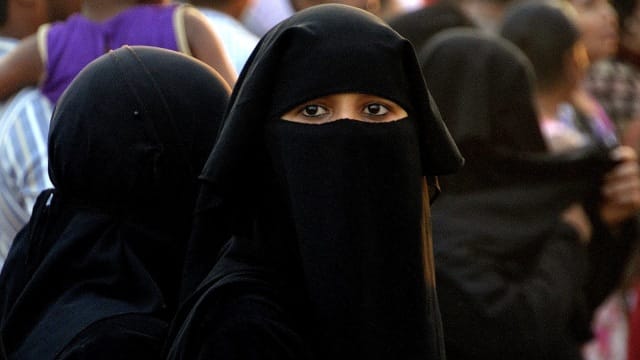
Table of Contents
Fashion serves as a powerful medium through which individuals express their beliefs and cultural values. The niqab, a traditional garment worn by some Muslim women, embodies a complex interplay of function, faith, and fashion. Exploring the historical significance, religious implications, and contemporary interpretations, revealing how this piece of clothing can signify modesty and identity. Examine story behind the niqab into the diverse perspectives, highlighting how wearers view it as both an expression of faith and a distinctive style. They examine societal perceptions and the ongoing discourse about women’s rights and autonomy within this context.
Historical Context of the Niqab

For centuries, the niqab has served both functional and symbolic purposes within various cultures. Rooted in the broader context of veiling practices, it reflects diverse interpretations of modesty, identity, and tradition across different societies. Historically significant, the niqab not only exemplifies women’s roles within Islamic teachings but also provides insights into changing societal norms surrounding femininity and cultural expression.
- Origins and Evolution
At its inception, the niqab emerged from early Islamic traditions, where modesty was emphasized in female attire. Over time, it evolved into various forms, influenced by geographic, cultural, and religious contexts. This adaptability has led to a complex history of the niqab, showcasing its significance beyond mere clothing, representing a continuum of beliefs and practices among Muslim women throughout the ages.
- Cultural Significance
Around different parts of the world, the niqab holds significant cultural meaning. It often serves as a marker of identity for women, allowing them to express their faith while engaging with cultural narratives. In many societies, this traditional garment transcends clothing, becoming a symbol of empowerment, personal choice, and resistance against Western beauty standards.
Significance of the niqab extends beyond personal identity, deeply intertwining with social expectations, religious observance, and communal values. Women who choose to wear the niqab often do so as an assertion of faith, reflecting their commitment to Islamic principles. In certain contexts, the niqab challenges stereotypes and misconceptions about Muslim women, highlighting the need for understanding and appreciation of diverse cultural practices. Thus, the niqab stands as a powerful emblem of both personal autonomy and broader cultural identity.
The Religious Aspect of the Niqab
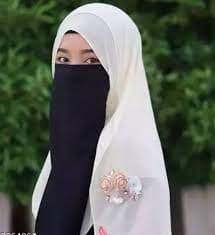
If one examines the religious significance of the niqab, it becomes evident that it is deeply intertwined with Islamic beliefs and practices. For many Muslim women, wearing the niqab is a reflection of their commitment to their faith, embodying principles of modesty and piety. The choice to wear it often stems from interpretations of Quranic verses and Hadith, shaping personal and communal identities within various Islamic cultures.
- Interpretations in Faith
The varying interpretations of religious texts contribute to differing views on the niqab. Scholars and followers of Islam may understand the guidelines surrounding modesty in distinctive ways, leading some to view the niqab as an obligatory practice, while others consider it a personal choice. Such interpretations are influenced by cultural, social, and theological factors, revealing the complexity of faith and its expressions.
- The Role of the Niqab in Islamic Practice
Alongside its interpretations in faith, the niqab plays a significant role in the daily lives of many practicing Muslims. It serves not only as a means of fulfilling religious obligations but also as a way to cultivate a sense of belonging within the Muslim community. For individuals who choose to wear it, the niqab often acts as an outward manifestation of their inner devotion and connection to their spirituality.
A nuanced understanding of the niqab reveals its importance in Islamic practice. Many women find empowerment and agency in choosing to don the niqab, viewing it as a personal commitment to their beliefs. The act of wearing the niqab can facilitate a focus on character and faith rather than physical appearance, encouraging deeper interactions rooted in respect and authenticity. In this context, the niqab becomes not only a garment but also a symbol of cultural identity and resistance against objectification, embodying the diverse expressions of faith within the Muslim community.
Fashion and Contemporary Trends
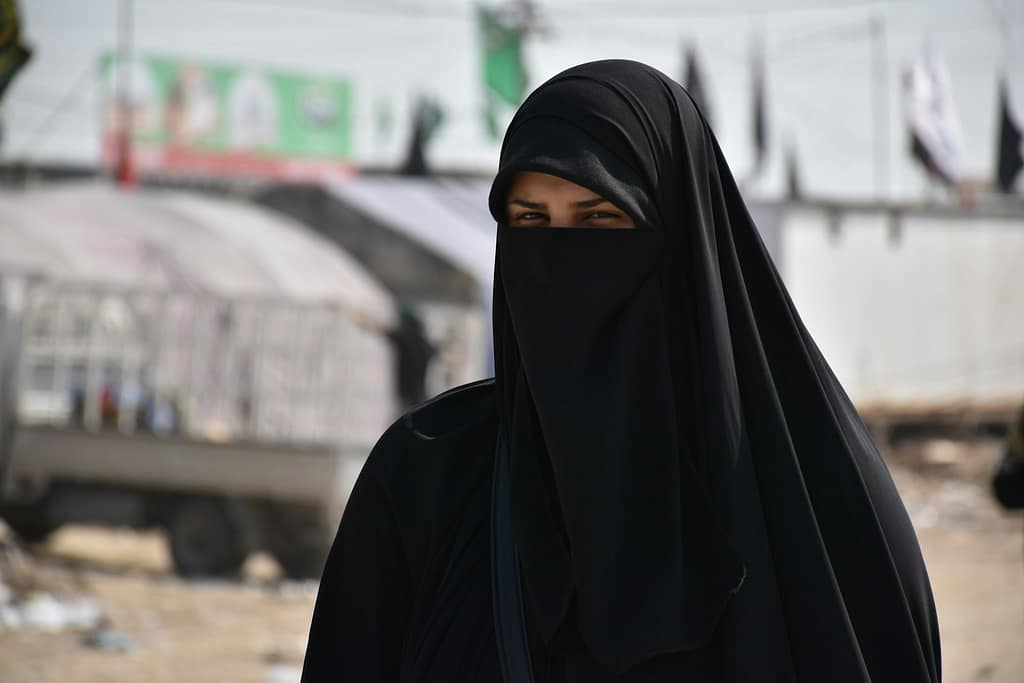
Some individuals view the niqab not just as a religious symbol but also as a statement piece within contemporary fashion. Designers are increasingly incorporating the niqab into their collections, blending traditional elements with modern aesthetics. This fusion highlights the versatility of the niqab, allowing it to be worn in various settings—from catwalks to casual outings—demonstrating its potential to challenge and redefine perceptions of modesty in today’s fashion landscape.
- The Niqab in Modern Fashion
One key aspect of the niqab’s evolution is its integration into modern fashion trends. As the fashion industry continues to embrace diversity and inclusivity, the niqab has emerged as a stylish choice for many women, showcasing creative patterns and fabrics. This transformation supports women’s agency by allowing them to express their identity while adhering to their personal beliefs.
- Influential Designers and Influencers
Fashion is increasingly influenced by figures who celebrate the niqab, bringing it to the forefront of contemporary style. As various designers showcase the niqab in their collections, social media influencers are also playing a pivotal role in portraying this garment as a fashionable choice. These influencers often highlight how the niqab can be styled in unique and trendy ways, encouraging others to embrace this blend of faith and fashion.
Contemporary designers such as Elie Saab and Dolce & Gabbana have begun incorporating the niqab into their haute couture collections, reflecting a broader acceptance within high fashion circles. Influencers on platforms like Instagram and TikTok showcase daily fashion ensembles featuring the niqab, demonstrating its versatility across different styles and occasions. This growing visibility not only challenges stereotypes but also empowers women to wear the niqab confidently, reinforcing its place in modern fashion discourse.
Personal Narratives and Experiences
Despite the diversity of opinions surrounding it, the niqab remains a deeply personal choice for many women. These individuals often express that wearing the niqab represents their commitment to faith and cultural identity. Through their stories, they reveal how the niqab serves as both an extension of their spiritual beliefs and a means of asserting personal autonomy in a world that often seeks to define them differently.
- Women’s Voices: Stories Behind the Niqab
Stories shared by women who wear the niqab often emphasize empowerment and self-expression. They highlight how their choice is rooted in their faith, offering a unique perspective on modesty and individuality. Many women recount positive experiences of community and support, showcasing the bond formed with others who share similar values. These narratives challenge stereotypes and encourage dialogue about the significance of the niqab in their lives.
- Challenges and Triumphs
Before adopting the niqab, many women face societal pressure and misconceptions regarding their decision. They often navigate a complex landscape filled with both discrimination and admiration. However, their journeys are punctuated by triumphs as they find strength in their beliefs, create supportive networks, and advocate for their rights and identities.
Voices behind the niqab frequently speak of the challenges they encounter, including prejudice from strangers and misunderstandings within their own communities. Yet, they also share uplifting tales of resilience, highlighting moments where wearing the niqab led to deeper conversations about faith, culture, and identity. These experiences not only shape their personal journeys but also contribute to a broader understanding and appreciation of the niqab and the diverse motivations behind its wear.
The Niqab in Society
To truly understand the role of the niqab in society, one must consider its multifaceted nature, transcending mere clothing to embody layers of identity, beliefs, and cultural heritage. Within various communities, the niqab often serves as a symbol of piety and devotion for some women while drawing scrutiny or admiration from others. The discourse surrounding the niqab reflects broader societal values, gender dynamics, and the ongoing quest for cultural understanding and acceptance.
- Perception and Misconceptions
The perception of the niqab often varies dramatically among different cultural and social groups. Some individuals view it as a symbol of oppression, while others see it as a choice representing empowerment and autonomy. These misconceptions can lead to generalized views on women who wear the niqab, overshadowing their personal narratives and experiences.
- Legal and Social Debates
Misconceptions surrounding the niqab have led to significant legal and social debates in many countries. Various governments have grappled with policies aimed at regulating its use, often citing security concerns or societal integration. These debates spotlight the tension between individual rights and societal norms, raising questions about freedom of expression, religious liberty, and cultural identity.
Legal frameworks and regulations concerning the niqab can vary greatly, from outright bans in certain countries to protections of religious expression in others. Such legislation often sparks contentious discussions on women’s rights and autonomy, with advocates emphasizing the importance of choice while critics argue that the niqab may perpetuate gender inequality or alienation in increasingly diverse societies. Ultimately, the ongoing debates reflect broader issues around multiculturalism and the balance between societal cohesion and individual freedoms.
Global Perspectives on the Niqab
After exploring the diverse meanings and implications of the niqab within various cultures, it becomes evident that this garment holds distinct significance depending on geographical context. In regions where it is widely accepted, it is often a symbol of piety and identity. Conversely, in other areas, it may be perceived as an emblem of oppression or as a challenging expression of personal belief. Global perspectives on the niqab highlight the complexities surrounding issues of autonomy, tradition, and cultural exchange.
- Cross-Cultural Variations
Along the vast tapestry of cultures, the niqab manifests in various forms, each reflecting unique interpretations of modesty and identity. In some Middle Eastern countries, it is a common sight, integrated into everyday life, while in parts of Asia, variations may incorporate local aesthetics. This adaptability showcases the versatility of the niqab and its ability to resonate with different cultural narratives, highlighting the nuanced interplay between faith and lifestyle.
- The Niqab in Western Contexts
Any conversation surrounding the niqab in Western contexts often evokes mixed reactions, revealing a complex interplay of cultural misunderstandings and political debates. For some, the niqab symbolizes religious freedom and personal agency, while others view it through the lens of societal integration and security concerns. This multifaceted perspective emphasizes the challenges and opportunities for dialogue about cultural expression in modern Western societies.
To engage with the topic of the niqab in Western contexts, it is important to consider the legal, social, and media narratives that shape public perception. Following events like the debates over burqa bans in several countries, discussions surrounding the niqab often reflect broader issues of immigration and multiculturalism. These discussions can sometimes overlook the voices and experiences of individuals who choose to wear the niqab, reducing their personal choices to political symbols.
Conclusion
Considering all points, the niqab serves as a multifaceted symbol of identity and expression for many women. They navigate the complexities of culture, faith, and personal choice, showcasing how the niqab can function not only as a religious obligation but also as a fashion statement. Highlight that the significance of the niqab varies widely across different contexts, emphasizing the need for understanding and respect. Give the bold line that the conversation surrounding niqab is integral to broader discussions on women’s rights and autonomy in diverse societies.