Table of Contents
Over the centuries, Indonesian Muslim wedding attire has evolved to become a beautiful fusion of tradition and modern fashion. From the intricate details of the Kebaya to the elegant simplicity of the Gamis, each garment tells a story of culture and heritage. To understand the significance of these outfits, it is important to explore the rich history and customs behind them.
Historical Background
One of the most enchanting aspects of Indonesian Muslim weddings is the rich cultural heritage that shines through the attire worn by the bride and groom. The traditional wedding attire in Indonesia is a beautiful reflection of the country’s diverse cultural tapestry. From the elaborate kebaya to the elegant gamis, Indonesian wedding attire is a feast for the eyes. If you are lucky enough to attend a traditional Indonesian wedding in Jakarta, you will witness firsthand the splendor of these exquisite garments.
Evolution of Indonesian Wedding Attire
Wedding attire in Indonesia has evolved over the years, blending traditional designs with modern aesthetics. The kebaya, a traditional Javanese blouse, has been a staple of Indonesian wedding attire for centuries. Originally worn by Javanese royalty, the kebaya is now a popular choice for brides looking for a touch of elegance and grace on their special day. On the other hand, the gamis, a long and loose-fitting garment, has gained popularity for its simplicity and modesty.
As Indonesian society continues to evolve, so does its wedding attire. Today, brides have a wide range of options to choose from, blending traditional styles with contemporary trends. Whether it’s intricate batik patterns or modern minimalist designs, Indonesian wedding attire continues to captivate with its beauty and diversity.
Cultural Influences on Dress Styles
Attire in Indonesian Muslim weddings is not only a reflection of tradition but also influenced by various cultural aspects. The diverse ethnic groups in Indonesia contribute to the unique styles seen in wedding attire. From the intricate batik patterns of Java to the bold colors of Sumatra, each region brings its own flair to the wedding attire. Islamic traditions also play a significant role in shaping the modest yet elegant styles that are prevalent in Indonesian Muslim weddings.
Traditional Indonesian Muslim Wedding Attire
There’s a rich cultural tapestry woven into Indonesian Muslim wedding attire, which varies across the diverse archipelago. From the elaborate kebayas of Java to the elegant gamis of Sumatra, each region offers its unique take on traditional wedding attire.
The Kebaya
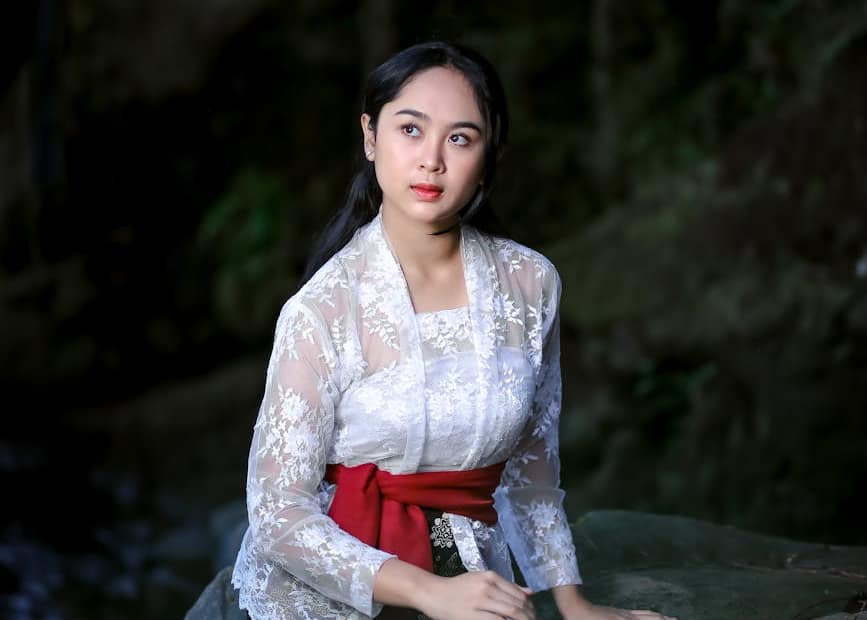
To begin with, the kebaya is a traditional Indonesian blouse-dress combination that is worn by brides in Java and other parts of the country. This attire typically consists of a sheer, long-sleeved blouse with intricate embroidery paired with a batik sarong or batik kain, creating a sophisticated and elegant look. The kebaya is often made from luxurious materials such as silk and adorned with sequins, beads, and delicate lace, making it a stunning choice for brides looking to showcase traditional Indonesian craftsmanship.
The kebaya is often complemented with traditional Indonesian jewelry such as gold earrings, necklaces, and bracelets, adding a touch of opulence to the overall bridal look. In addition to the bride, female guests at Indonesian Muslim weddings may also choose to wear kebayas in vibrant colors and patterns to celebrate the joyful occasion.
The Gamis
On the other hand, the gamis is a popular choice for Muslim brides in Sumatra and other parts of Indonesia. This attire is a long, flowing dress that provides modest coverage while still exuding elegance and grace. The gamis is typically made from luxurious fabrics such as chiffon or silk and can be adorned with intricate embroidery or beading for a touch of sophistication.
Kebaya, while traditional, tends to be more fitted and structured, while the gamis offers a looser and more relaxed silhouette, making it a comfortable option for brides who want to move freely and comfortably on their special day. Despite the differences between the kebaya and the gamis, both attire choices showcase the beauty and diversity of Indonesian Muslim wedding traditions.
Contemporary Trends in Wedding Attire
Fusion of Traditional and Modern Elements
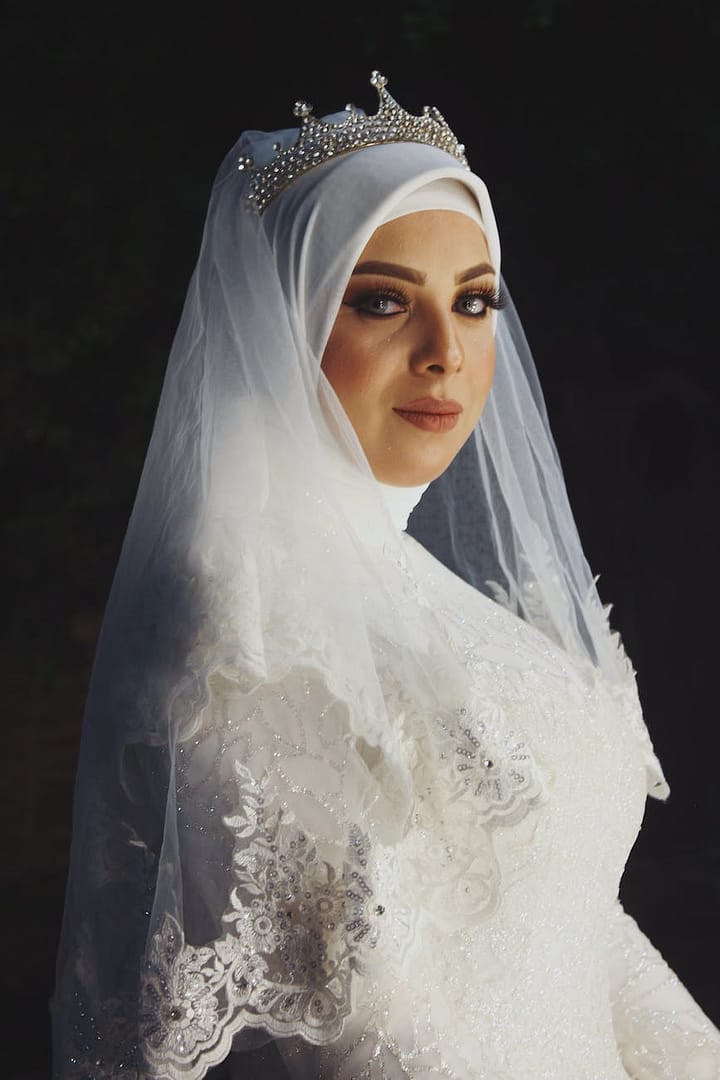
To keep up with the changing times, Indonesian Muslim brides are increasingly opting for wedding attire that blends traditional elements with modern influences. This fusion of styles creates a unique and elegant look that reflects both cultural heritage and contemporary fashion trends. It is not uncommon to see brides wearing a traditional kebaya paired with a modern mermaid-cut skirt or a classic white gown with intricate batik detailing.
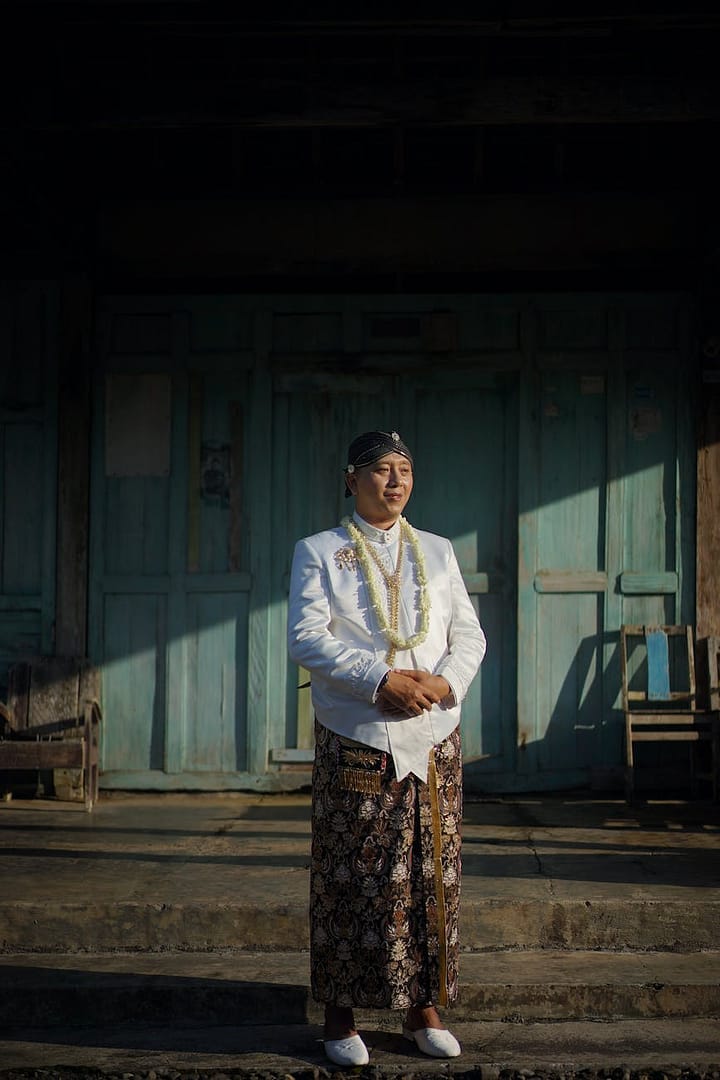
For grooms, a traditional batik shirt might be paired with tailored trousers or a Western-style suit to create a sophisticated and stylish ensemble. The fusion of traditional and modern elements in wedding attire allows couples to strike a balance between honoring their cultural roots and embracing a more contemporary aesthetic on their special day.
The Role of Fashion Designers
With the growing demand for unique and personalized wedding attire, fashion designers play a crucial role in shaping contemporary trends in Indonesian Muslim wedding attire. Designers collaborate with brides and grooms to create custom-made pieces that cater to their individual preferences and style choices. From selecting fabrics and colors to designing intricate embellishments, fashion designers help bring the couple’s vision to life.
With their expertise in combining traditional techniques with modern designs, fashion designers are able to create wedding attire that is not only visually stunning but also culturally significant. Their attention to detail and craftsmanship ensure that each piece is a true work of art that captures the essence of Indonesian Muslim wedding traditions.
Traditional fashion designers often draw inspiration from Indonesia’s rich cultural heritage, incorporating motifs and patterns that are steeped in tradition. By infusing traditional elements with contemporary silhouettes and designs, they create wedding attire that pays homage to the past while looking towards the future.
Dressing for Different Wedding Ceremonies
Now, when it comes to attending Indonesian Muslim weddings, it’s crucial to dress appropriately according to the different ceremonies. Understanding the significance of each event will help you choose the right outfit that aligns with the cultural and religious traditions.
Akad Nikah Ceremony
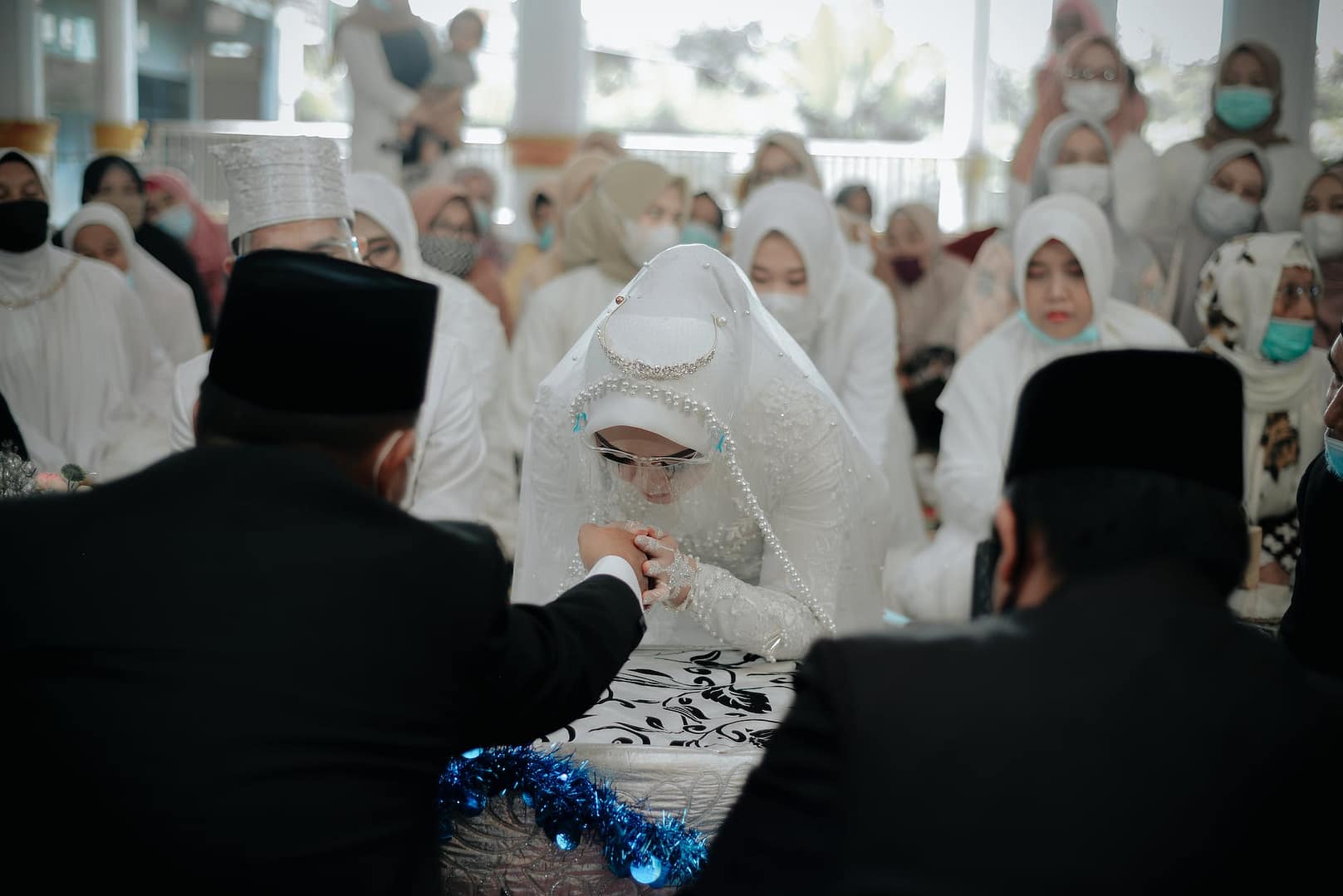
Ceremonies begin with the Akad Nikah, the solemn marriage vows and contract signing. As a guest, it is customary to dress elegantly and modestly for this formal occasion. Women often opt for a traditional kebaya, a blouse-dress combination, paired with a long skirt or sarong in luxurious fabrics like silk or lace. Men typically wear a batik shirt with dress pants or a traditional Indonesian sarong and complete the look with a songkok, a traditional Malay headdress.
For the Akad Nikah ceremony, it is important to choose outfits in muted and sophisticated colors such as pastels, earth tones, or jewel tones. Avoid bold and flashy colors, as the focus should be on the solemnity and sanctity of the marriage vows exchanged during this ceremony.
Reception and Walimah
On the following days, the newlyweds host a grand reception and Walimah, a feast to celebrate their union with family and friends. For these festivities, guests can opt for more festive attire while still maintaining modesty. Women often choose a colorful and intricately embroidered gamis or a modern kebaya with a mermaid-cut skirt. Men can wear a traditional batik suit or a modern tailored suit paired with a songkok or peci.
It is customary to dress in vibrant colors and luxurious fabrics for the reception and Walimah ceremonies. Women can accessorize with statement jewelry and embellished scarves, while men can add a touch of sophistication with a brooch or pocket square. Remember to dress respectfully and elegantly to honor the couple and the joyous occasion of their wedding celebration.
Final Words
On the whole, understanding the traditional attire worn at Indonesian Muslim weddings such as kebaya and gamis is crucial in respecting and appreciating the cultural heritage and religious customs of the country. These outfits symbolize the richness of Indonesia’s history and the beauty of its diversity. By familiarizing ourselves with the significance of these garments, we can participate in these joyous occasions with elegance and respect. Whether attending a wedding as a guest or preparing for your special day, remembering the cultural importance of these attires will allow us to celebrate love and unity in a meaningful and authentic way.
FAQ
Q: What is the traditional attire for an Indonesian Muslim wedding?
A: The traditional attire for Indonesian Muslim weddings varies depending on the region, but some popular choices include the Kebaya for women and the Gamis for men. The Kebaya is a traditional blouse-dress combination that is often intricately embroidered and paired with a sarong or batik skirt. The Gamis, on the other hand, is a long tunic worn over trousers. Both outfits are elegant and suitable for formal occasions like weddings.
Q: How should I choose the right attire for an Indonesian Muslim wedding?
A: When choosing attire for an Indonesian Muslim wedding, it is important to consider the cultural and religious significance of the event. Opt for modest and elegant outfits that adhere to Islamic dress codes, such as long sleeves and loose-fitting garments. Additionally, pay attention to the color and style of the attire, as certain colors may have symbolic meanings in Indonesian culture. Consult with the hosts or a local expert if you are unsure about what to wear.
Q: Can men wear traditional Indonesian attire to a Muslim wedding?
A: Yes, men can wear traditional Indonesian attire like the Gamis to a Muslim wedding. The Gamis is a versatile and stylish outfit that is well-suited for formal events. Pair it with traditional accessories like a songkok (cap) or a peci (traditional hat) to complete the look. It is important to show respect for the hosts and the cultural traditions of Indonesia by wearing appropriate attire to the wedding.