Table of Contents
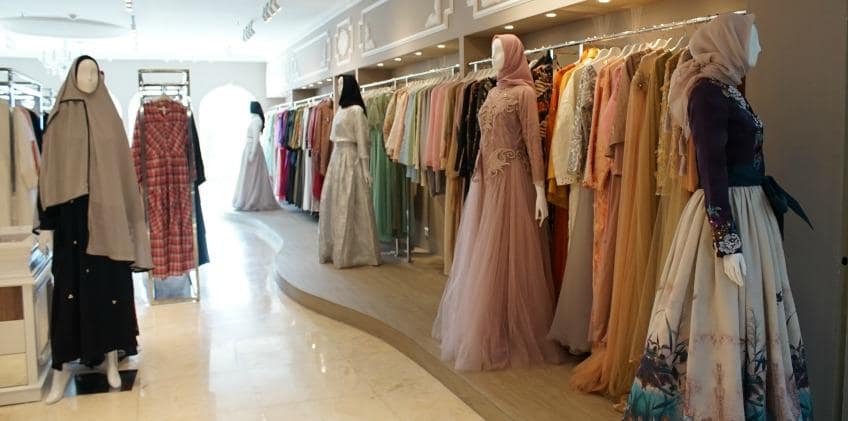
Franchising opportunities is an exciting avenue for entrepreneurs looking to enter the promising modest fashion industry. As consumer interest in diverse and inclusive clothing options continues to grow, he or she can capitalize on this emerging market by exploring established franchise brands known for their commitment to modest apparel. They will find that with the right combination of brand recognition, marketing support, and a dedicated customer base, franchising in this sector presents unique opportunities for sustained growth and success.
Unlocking A Growing Market: The Rise of Modest Fashion
The modest fashion industry is experiencing remarkable growth, marked by a surge in interest and acceptance across diverse demographics. As a reflection of contemporary values, this trend not only addresses the needs of those seeking stylish, yet conservative attire, but also opens doors for innovative business opportunities. In recent years, the global modest fashion market has been valued at over $402 billion, showcasing its substantial potential for entrepreneurs looking to invest. This emerging space is evolving to include a variety of styles, catering to a wide array of tastes and preferences.
- Key Demographics Driving Demand
The emergence of Muslim fashion business franchises globally is being influenced by key demographics. The demand for modest yet stylish clothing is being propelled by young Muslim consumers, particularly those in Gen Z and millennial demographics. The largest market segment consists of women, who look for fashionable choices that harmonize tradition and modernity. Moreover, the expansion of the middle class in countries with a Muslim majority increases purchasing power and the demand worldwide grows due to diaspora communities. Shoppers who are influenced by e-commerce and social media and who have a strong affinity for technology also speed up trends, making these demographics crucial for the growth of franchises and the success of brands.
- Cultural Shifts and Their Impact on Fashion Choices
In recent years, cultural shifts have transformed perceptions of femininity, modesty, and personal style. Influenced by social movements promoting diversity, inclusivity, and self-expression, individuals are now more inclined to celebrate unique fashion choices. These changing attitudes have led many designers to incorporate modest elements into their collections, responding to consumer demand for versatile clothing that resonates with their values. Brands that successfully adapt to these cultural nuances not only find a receptive audience but also gain a competitive edge in the expansive fashion landscape.
Franchising Opportunities as a Strategy: The Business Model for Success
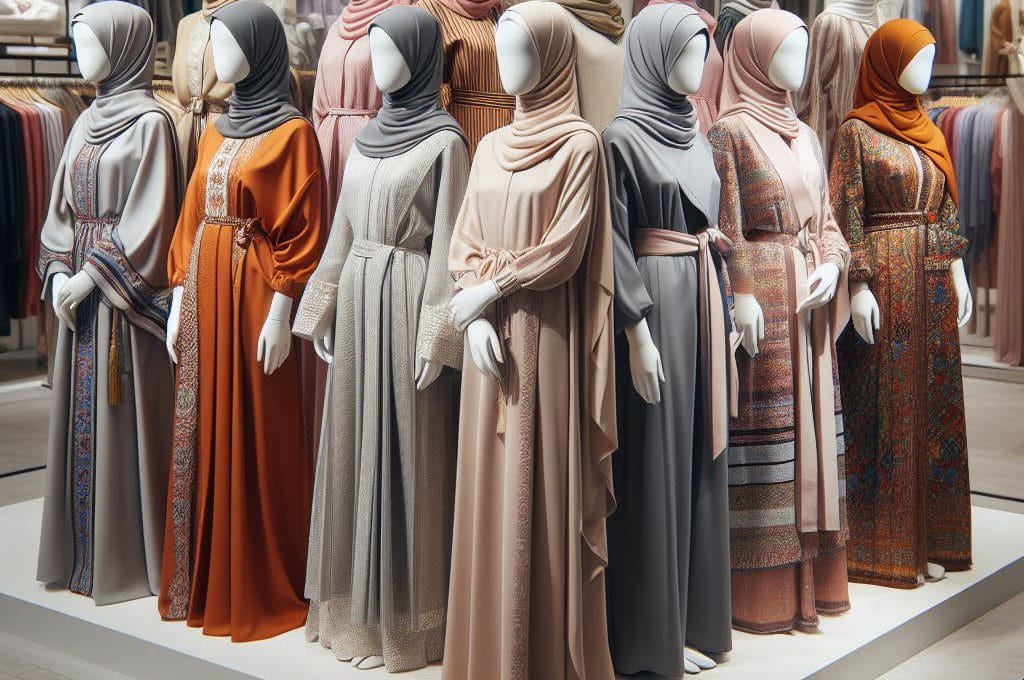
Franchising allows modest fashion brands to expand rapidly while leveraging established business models and brand identities. This strategy enables aspiring entrepreneurs to invest in a pre-existing framework, minimizing risks typically associated with startups. By adopting a franchise model, brands can ensure that their unique style and values are consistently conveyed across different locations, creating a united front in the market. This approach not only speeds up business growth but also fosters a community of franchisees who share a commitment to the brand’s essence.
- Advantages of Franchising in Modest Fashion
One of the biggest advantages of franchising in the modest fashion industry lies in its ability to tap into a niche market with less competition. Franchisees benefit from recognized branding, established supply chains, and comprehensive training programs which lower the barriers to entry. Additionally, franchise networks often provide marketing support that caters specifically to the cultural and regional sensitivities of their target demographics. As a result, franchisees can focus more on building customer relationships and less on navigating the complexities of starting from scratch.
- How Community Engagement Boosts Brand Loyalty
Community engagement plays a pivotal role in reinforcing brand loyalty among consumers in the modest fashion sector. Brands that actively participate in local events, support charitable initiatives, or foster social discussions resonate better with their audience, creating a deeper emotional connection. By encouraging franchisees to engage with their local communities, brands cultivate an environment of shared values, which enhances customer trust and loyalty.
Through events such as fashion shows, workshops, and pop-up shops, modest fashion franchises can create immersive experiences for customers. For example, a franchise might collaborate with local artisans to host a design workshop that highlights traditional craftsmanship, allowing customers to connect with both the brand and their cultural heritage. This relationship not only draws customers into the store but encourages them to advocate for the brand within their social circles. The grassroots approach to community engagement fosters stronger ties that translate into repeat business and elevated brand loyalty, important for sustained success in the modest fashion market.
Winning Formulas: Top Trends in Modest Fashion Franchising
- Eco-Friendly Practices and Sustainable Materials
Franchises prioritizing eco-friendly practices are appealing to the growing number of consumers who value sustainability. Many brands now incorporate organic fabrics, recycled materials, and ethical production methods in their offerings. For example, using Tencel or organic cotton not only reduces environmental impact but also enhances the brand’s image, attracting eco-conscious shoppers. A commitment to sustainability can set franchises apart in a crowded market and foster customer loyalty.
- Tech-Enhanced Shopping Experiences
The integration of technology into the shopping experience is shaping the modest fashion landscape. Brands are adopting augmented reality (AR) and virtual fitting rooms to help customers visualize how items will look before purchasing, thereby reducing return rates. Mobile apps that offer personalized recommendations and in-app purchases also enhance convenience, catering to a digital-savvy audience. Through these innovations, franchises can create seamless, engaging experiences that drive sales and customer satisfaction.
Beyond mere convenience, tech-enhanced shopping experiences engage customers in immersive ways that resonate with their needs and preferences. Franchises that implement smart fitting technology, which allows shoppers to try on clothes virtually, can lessen the time spent in physical stores and alleviate size-related uncertainties. Additionally, utilizing data analytics, they can personalize marketing strategies, increasing customer retention. As more consumers prioritize online and tech-driven options, this trend exemplifies how modest fashion franchises can adapt and thrive in a digitally evolving marketplace.
Navigating Challenges: Common Pitfalls in the Franchise Journey
Franchise success in the modest fashion industry often hinges on recognizing and addressing common challenges. As new franchisees begin on this journey, they may encounter pitfalls ranging from misalignment with brand values to operational inefficiencies. Staying vigilant and informed can significantly enhance their chances of thriving in this dynamic marketplace.
- Balancing Brand Identity and Local Adaptation
Franchisees in the modest fashion sector face the challenge of aligning their local offerings with the established brand identity. Embracing local customs and culture is necessary, yet preserving the core aesthetic and values of the brand poses a delicate balancing act. A successful franchisee finds ways to infuse local flair while maintaining authenticity, ensuring that both brand loyalty and community connection are achieved.
- Overcoming Supply Chain Hurdles
The supply chain can become a significant barrier to success for modest fashion franchises, especially as they scale. Challenges such as sourcing ethically produced materials and managing lead times can complicate operations. Failure to establish strong supplier relationships and logistics frameworks can lead to inventory shortages or fluctuating product quality, impacting customer satisfaction and sales. Franchisers who proactively engage with reliable suppliers and utilize technology for efficient inventory management often find their operations running smoothly.
Insights from Industry Leaders: Lessons Learned from Modest Fashion Franchises
Industry leaders in the modest fashion franchise space have shared valuable lessons that can guide potential franchisees toward successful ventures. They emphasize the significance of understanding the local culture and customer preferences, as this can greatly influence product selection and marketing strategies. Moreover, they stress adaptability, urging franchisees to stay attuned to global fashion trends while maintaining the essence of modesty that their brand represents. Connecting with established franchises can also offer insights into operational efficiencies that ultimately lead to enhanced profitability.
- Success Stories: Franchisees Who Thrived
Several franchisees have transformed their businesses into thriving hubs of modest fashion, showcasing the sector’s potential. One notable example is a franchisee in Dubai who, capitalizing on the city’s multicultural demographic, tailored her inventory to reflect diverse cultural preferences. Her strategic approach not only increased foot traffic but also built a loyal customer base, leading her to double her sales within two years. These successes illustrate the opportunities available for those who effectively align their strategies with market demands.
- The Importance of Networking and Support Systems
Strong networking and comprehensive support systems are vital components for franchisees aiming to excel in the modest fashion industry. Successful entrepreneurs often attribute their growth to connections with peers, suppliers, and mentors who provide guidance and resources. Regular participation in industry events can facilitate collaborative opportunities, enabling franchisees to share insights and best practices. With a robust support network, franchise owners can navigate challenges more effectively, leading to improved business resilience and greater long-term success.
To Wrap Up
In conclusion, individuals contemplating franchise opportunities in the modest fashion sector will discover a swiftly expanding market that welcomes a variety of cultural expressions and ethical principles. It should be noted that successful franchisors frequently merge inventive design with a dedication to inclusivity, fostering brand loyalty among consumers. To maximize their potential, they need to carry out comprehensive market research and remain adaptable to fashion trends. They can access this distinctive segment and aid in the evolution of the fashion industry by grasping consumer requirements and positioning their brand effectively.