Table of Contents
It’s important for individuals seeking to align their fashion choices with Islamic teachings to explore the verses that guide muslim fashion based on the Qur’an. These sacred texts provide timeless guidance on modesty, humility, and adornment, shaping the way they present themselves to the world. By understanding these teachings, they can make informed decisions that reflect their faith while expressing their unique style. This post investigates into key Qur’anic verses that inspire and influence Muslim fashion, showcasing how spirituality and personal expression can beautifully coexist.
The Concept of Modesty in Islam
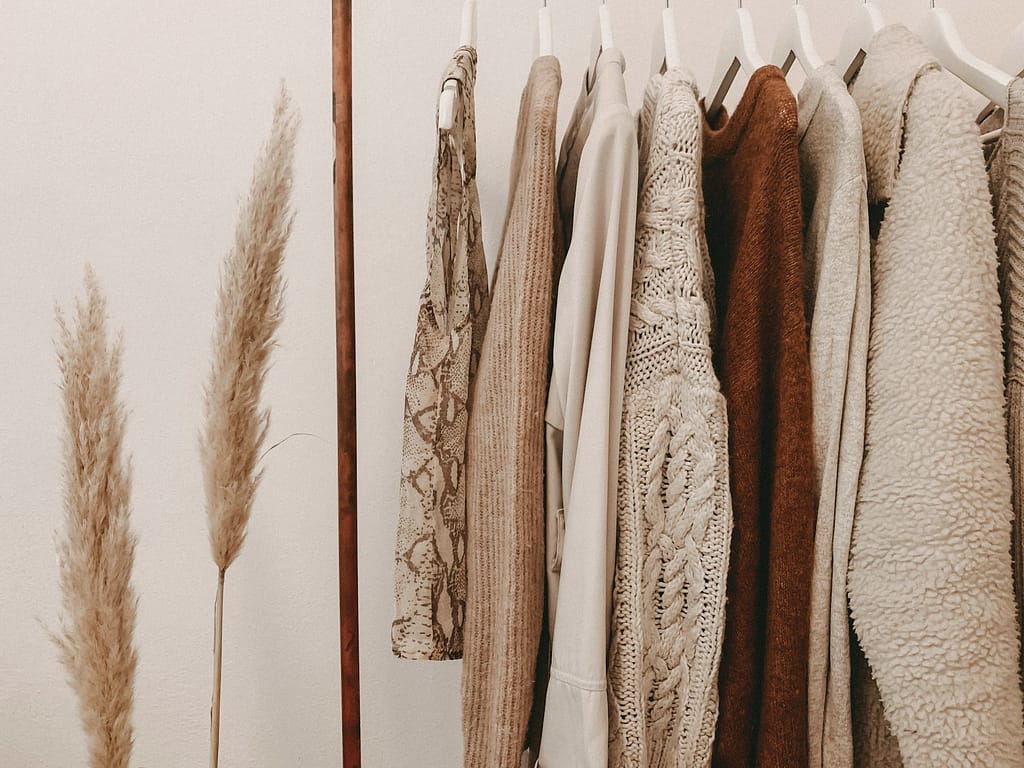
Before exploring the nuances of Muslim fashion, it is imperative to understand the fundamental concept of modesty in Islam. Modesty, or ‘haya’, governs not only clothing choices but also behavior, speech, and interaction with others. It reflects humility and a commitment to moral values, enabling individuals to express their faith while maintaining dignity and respect in their appearance.
- Definition of Modesty
Behind the definition of modesty lies a comprehensive understanding that encompasses both physical attire and personal conduct. In Islam, modesty is more than skin-deep; it includes an inward disposition of humility and respect towards oneself and others. It encourages individuals to avoid arrogance and showcase their identity in ways that promote virtue.
- Qur’anic References
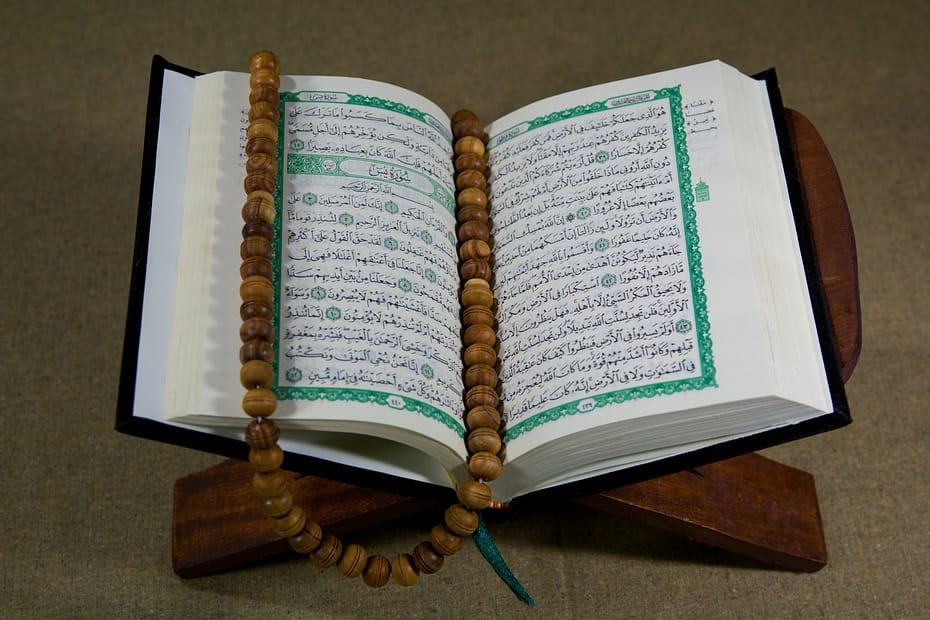
Quranic verses serve as a guiding light in defining modesty for both men and women. They emphasize the importance of dressing appropriately, lowering one’s gaze, and maintaining a sense of dignity in social interactions. These teachings aim to cultivate an environment where respect and morality flourish.
At the heart of these Qur’anic references, one finds clear directives for modest dressing. For instance, Surah An-Nur (24:30-31) addresses both men and women, urging them to lower their gazes and guard their modesty. Furthermore, Surah Al-Ahzab (33:59) encourages women to draw their cloaks around them when in public as a means of protection and modesty. The essence of these verses highlights a holistic approach to modesty, advocating for both inner and outer expressions of faith.
Dress Code for Men in the Qur’an
The Qur’an provides clear guidelines on modesty and appropriate dress for men, emphasizing their duty to present themselves with dignity and respect. These teachings encourage them to wear garments that are neither overly extravagant nor immodest, promoting humility and a connection to spiritual values.
Clothing Guidelines
Against the backdrop of Islamic teachings, men are encouraged to dress in a manner that is both respectful and modest, avoiding styles that might lead to arrogance or display excessive wealth. This guidance is rooted in the belief that one’s appearance should reflect their inner piety and humility.
- Cultural Considerations
Among the diverse cultures within the Muslim community, interpretations of modest dress can vary significantly while still adhering to the core principles found in the Qur’an. Factors such as local customs, societal norms, and personal comfort often influence how men choose to express their identity through fashion.
Code of conduct regarding men’s fashion transcends mere clothing and engages with societal expectations and cultural heritage. You might find that some cultures impose particular styles, such as the traditional thobe in Arab regions or the kurta in South Asia, allowing men to honor their heritage while embracing their faith. Maintaining balance between personal style and religious commitments often leads them to explore garments that showcase their individuality without compromising their modesty principles.
Dress Code for Women in the Qur’an
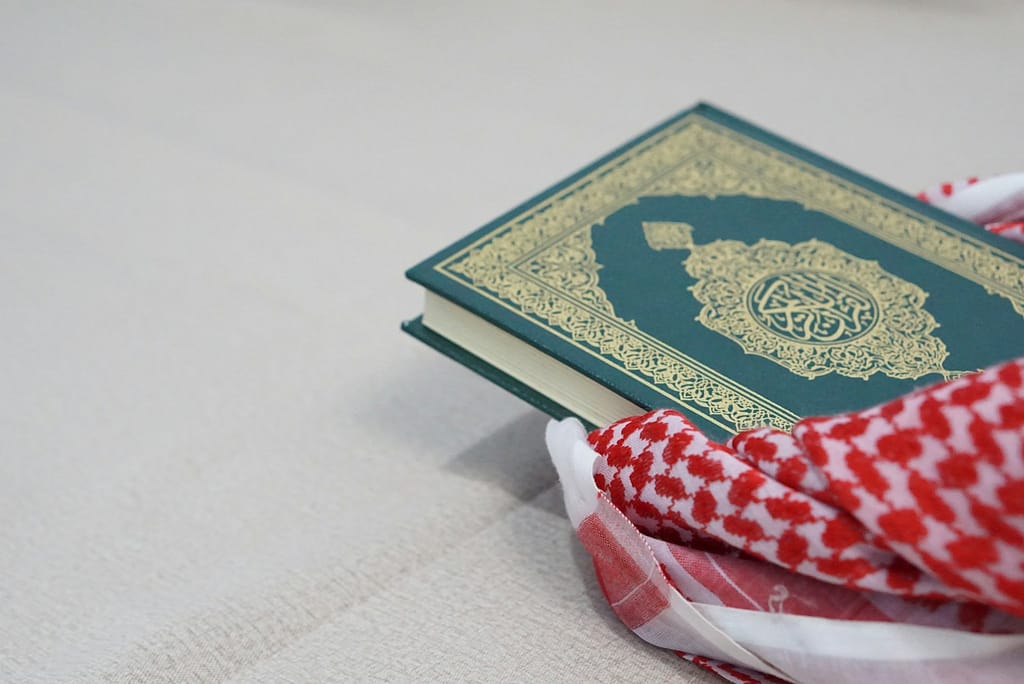
There’s a profound emphasis in the Qur’an regarding the dress code for women, which not only reflects their dignity and respect but also signifies their identity as believers. The guidance provided encourages women to dress modestly, promoting self-respect and societal values. This beautiful principle of modesty is rooted in the teachings of Islam and aims to foster a sense of community and morality among individuals.
- Guidelines for Attire
Above all, the Qur’an outlines specific guidelines for women’s attire, encouraging them to wear loose-fitting clothing that does not accentuate the body’s shape. This includes covering the body except for the face and hands in public, demonstrating a commitment to modesty while also allowing personal expression through choice in color and style. The essence of these guidelines is to create an environment of modesty and respect, both personally and within society.
- The Importance of Hijab
Guidelines concerning the hijab are integral to the Islamic dress code, reflecting a woman’s commitment to faith and modesty. This act is seen as a means to empower women, allowing them to be perceived for their intelligence and character rather than their outward appearance. By wearing the hijab, they embrace their identity, showing dedication to their beliefs while setting a powerful example for others.
Considering the significance of the hijab, it represents not only a physical covering but also an inner state of consciousness and spiritual awareness. Women who choose to adopt the hijab often express that it fosters confidence and a sense of belonging within the Muslim community. Furthermore, the hijab encourages empowerment by shifting the focus from physical attributes to character and intellect.
The Role of Intention in Fashion
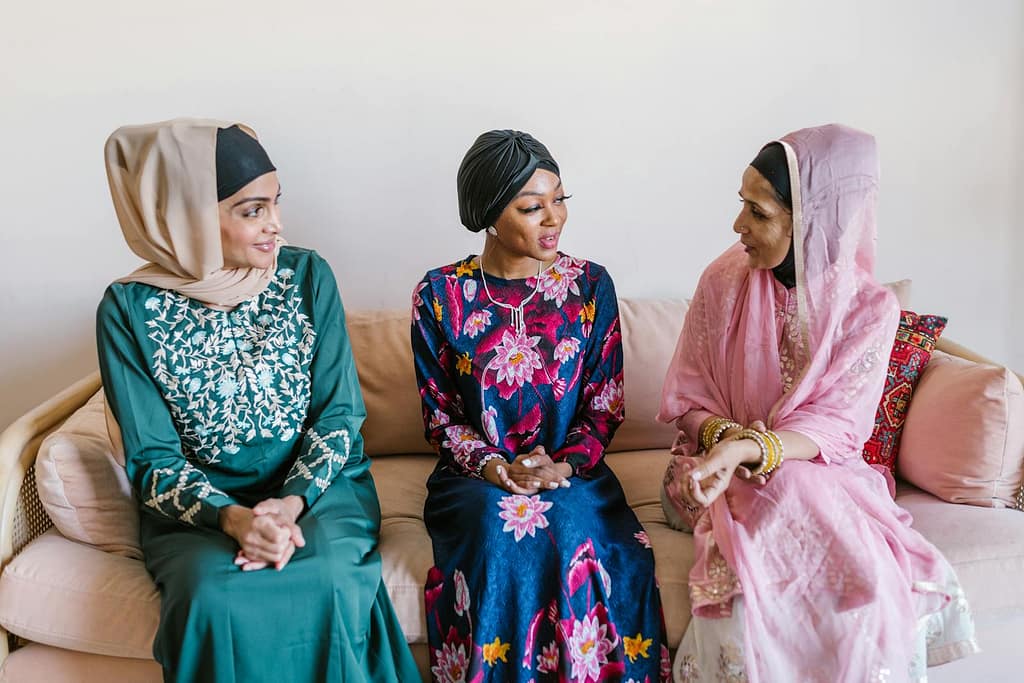
After understanding the essence of fashion within Islamic teachings, individuals are prompted to evaluate the intention behind their clothing choices. For Muslims, intention is pivotal; it can elevate an everyday outfit into an expression of faith. When they choose garments with the aim of embodying modesty and humility, their intentions align with spiritual values, thereby transforming their attire into a means of worship and self-expression.
- Spiritual Significance
With a focus on intention, the spiritual significance of fashion becomes apparent. You can perceives every choice as not just a matter of aesthetics, but as a reflection of one’s faith and character. Fashion, in this context, transcends the surface level, becoming an avenue for self-reflection and devotion. Muslim fashion holds deep spiritual significance, reflecting values of modesty, dignity, and faith. It serves as a visible expression of religious commitment, encouraging mindfulness and humility. By dressing modestly, Muslim individuals align with Islamic teachings, fostering a sense of identity, inner peace, and connection with their spiritual beliefs.
- Ethical Fashion Choices
Below, the concept of ethical fashion is explored, emphasizing how Muslims can make conscious decisions in their wardrobe. They are encouraged to consider the sourcing, production practices, and overall environmental impact of their clothing selections, aligning their choices with Islamic values of stewardship and social responsibility.
A commitment to ethical fashion empowers individuals to support brands that promote fair labor practices and sustainable materials. You can seek out companies that prioritize transparency and social responsibility, ensuring their purchases contribute positively to the world. By choosing to wear clothing that respects both people and the planet, they not only enhance their personal style but also honor their faith’s emphasis on compassion and accountability in their fashion choices.
Contemporary Interpretations of Islamic Fashion
Unlike traditional views that often defined Islamic fashion by strict guidelines, contemporary interpretations emphasize individuality and autonomy. Today, many Muslims seek to express their identity through clothing that balances modesty with personal style. This shift allows for a blend of cultural influences and modern aesthetics, showcasing that Islamic fashion can be both stylish and respectful of faith. As a result, a rich tapestry of choices has emerged, inspiring many to embrace fashion as a form of self-expression within the framework of Islamic principles.
- Modern Designers
Behind the evolution of Islamic fashion are a new generation of modern designers who are redefining the boundaries of modest wear. They incorporate diverse fabrics, innovative cuts, and vibrant colors into their collections while adhering to the principles of modesty. This creative approach not only amplifies the voice of Muslim designers on a global scale but also offers a variety of fashionable options for those seeking to express their faith through their wardrobe.
- Global Influence
Among the most significant factors contributing to the evolution of Islamic fashion is its global influence. The rise of social media and digital platforms has enabled Muslim fashion designers and influencers to reach a wider audience, encouraging cultural exchange and collaboration. As styles blend and evolve, Islamic fashion gains recognition and appreciation in mainstream fashion, allowing for a fusion of creativity and tradition.
At the heart of this global influence is the increasing interconnectedness of cultures, as more designers showcase their work at international fashion weeks and events. The visibility of modest wear incorporates styles from various cultures, leading to innovative designs that resonate with a broader audience. This exchange not only promotes understanding but also highlights the versatility of Islamic fashion, which adapts to varying cultural contexts while maintaining its foundational values of modesty and elegance.
Fashion and Identity in the Muslim Community
Keep in mind that for many individuals within the Muslim community, fashion acts as a significant marker of identity. The way one dresses often reflects personal beliefs, cultural heritage, and social values. Clothing choices can foster a sense of belonging while also allowing individuals to express their faith in a contemporary society, illustrating the diversity and richness of Muslim identities worldwide.
- Cultural Representations
Between traditional attire and modern influences, cultural representations in Muslim fashion are vital in showcasing the vast diversity of backgrounds within the community. Each region offers unique styles, colors, and textiles, blending heritage with modern fashion trends. This interplay creates a dialogue between past and present, allowing individuals to express their cultural identity through their clothing choices.
- Personal Expressions
Behind the layers of fabric and design, personal expression plays a transformative role in how individuals embody their beliefs and identities. Muslim fashion empowers individuals to cultivate a unique style that resonates with their personal values while adhering to modesty principles. Fashion becomes a canvas for self-expression, enabling them to communicate their individuality amid shared cultural aesthetics.
Representations of personal expression in Muslim fashion often emerge from the interplay of individual experiences and the broader community. You may draw inspiration from their cultural background, family traditions, or personal journeys in life and faith. This individuality can manifest through choices in fabrics, colors, and styles, enabling a blend of personal and collective representations. As they navigate the complexities of their identities, these expressions showcase how Muslim fashion transcends societal norms, offering a unique perspective on selfhood and spirituality within the community.
Summing up
Inspiration from the Qur’an – Verses That Guide Muslim Fashion serves as a profound resource for those seeking to align their clothing choices with their faith. He, she, and they can reflect on the teachings and values woven into the verses, which emphasize modesty, dignity, and respect. This guidance not only fosters a strong sense of identity among believers but also encourages them to express their faith aesthetically. By understanding these principles, they can navigate the complexities of modern fashion while remaining true to their spiritual commitments.