Table of Contents
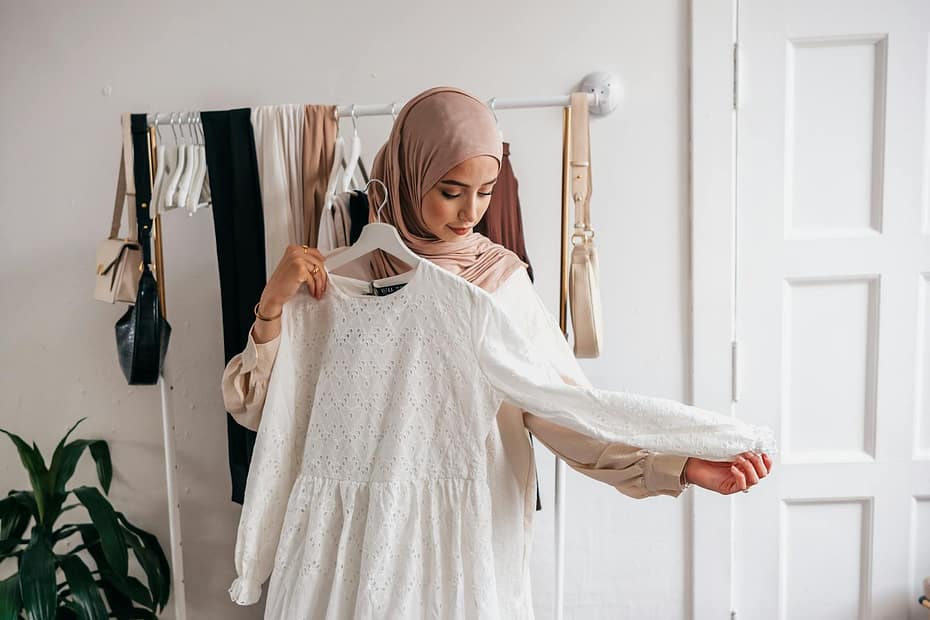
Just as the fashion industry evolves, the modesty movement in Muslim fashion has emerged, driven largely by Muslim designers and influencers who prioritize both style and cultural identity. This trend is reshaping perceptions, offering a diverse range of fashionable options that align with Muslim fashion and global trends. Observe that the global embrace of modest fashion promotes inclusive narratives, attracting a wider audience and transforming the marketplace. Highlight how the fusion of traditional garments with contemporary designs is setting new standards, reaffirming the importance of modesty in today’s fashion landscape.
Historical Context of Modesty in Fashion
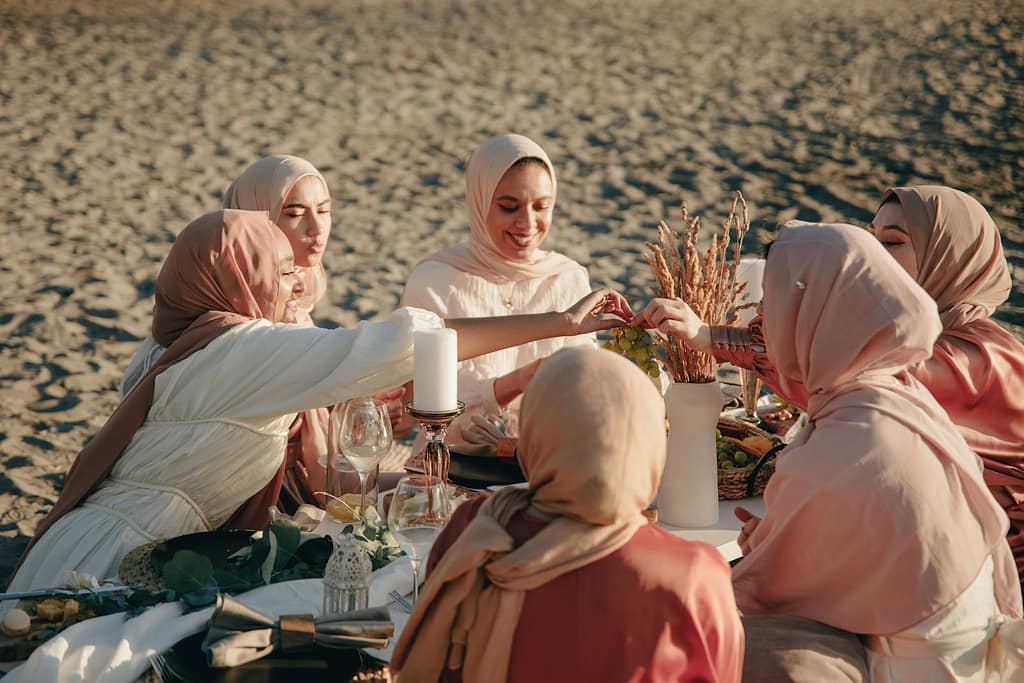
The historical context of modesty in fashion can be traced back to a variety of cultural and religious influences across the globe. Different societies have shaped their understanding of what constitutes modest attire, often linking it to moral values, spirituality, and social status. Throughout history, she and he have seen the evolution of clothing styles that reflect a desire for modesty, offering a glimpse into varying interpretations of body representation across time and space.
- Evolution of Modesty Clothing
On the trajectory of modest clothing, one can observe how styles have transformed in response to changing social norms and cultural movements. Various historical epochs have witnessed the rise and fall of different modest garments, from loose-fitting robes in ancient civilizations to the more contemporary interpretations observed in modern Muslim fashion. As societal values have shifted, so too have the designs that embody expressions of faith and personal identity.
- Cultural Significance of Modesty
Evolution in the understanding of modesty clothing has also contributed to the cultural significance it holds today. As she and he navigate diverse communities, modest fashion serves not only as an expression of identity but also as a statement of belonging. Social and religious contexts heavily influence individuals’ choices, shaping how communities perceive modesty and the values associated with it.
Consequently, modest fashion has become an emblem of cultural expression that transcends geographical boundaries. It reflects broader themes of respect, dignity, and individuality, allowing individuals to maintain their beliefs while engaging with global fashion trends. As you embrace modest attire, not only adheres to personal convictions but also participates in a larger cultural conversation about inclusion and representation in the fashion world.
Key Influencers in the Modesty Movement
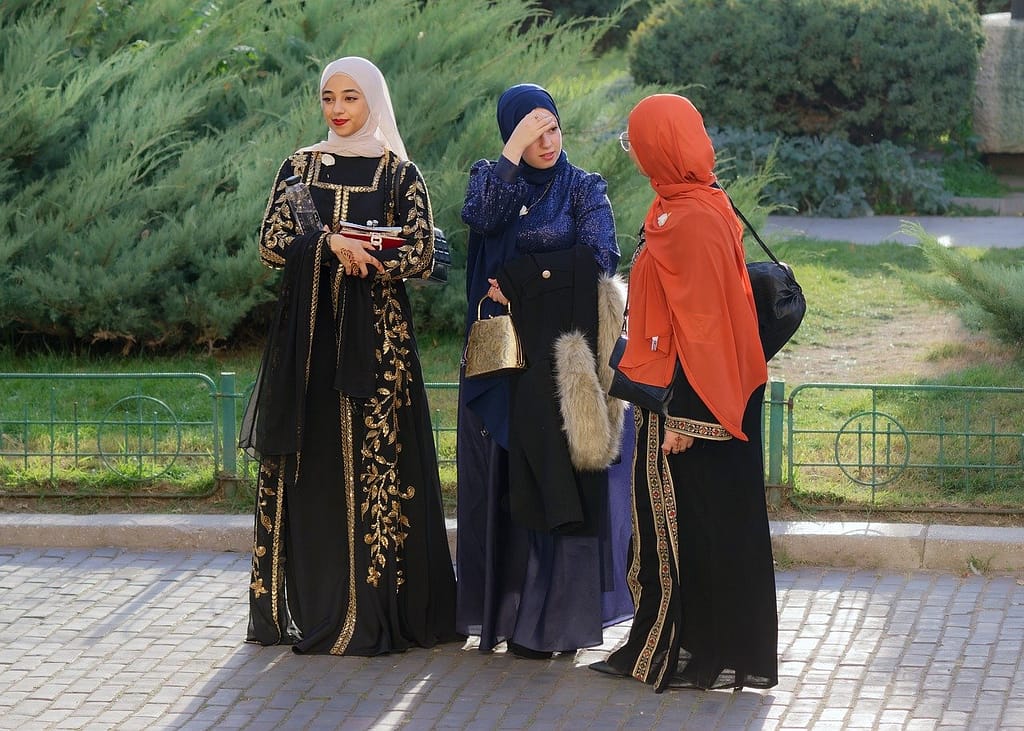
It is evident that the modesty movement has gained momentum thanks to various key influencers who are shaping the perception of Muslim fashion on a global scale. These individuals, including designers, brands, and social media activists, play a pivotal role in promoting the values of modesty and inclusivity within the fashion industry.
- Fashion Designers and Brands
Among the influential voices in the modesty movement are fashion designers and brands that have embraced modest fashion as a viable segment of the industry. They focus on creating stylish, elegant pieces that adhere to the principles of modest wear, while also appealing to a broader audience seeking sophistication and cultural appreciation.
- Social Media and Digital Activism
Across various platforms, social media has become a powerful tool for raising awareness and fostering community engagement around the modesty movement. Influencers and activists utilize their platforms to share their experiences, showcase their fashion choices, and advocate for inclusivity in the industry.
Hence, the impact of social media on the modesty movement cannot be overstated. It allows for the dissemination of ideas related to modest fashion, connecting individuals who share similar values, and providing a space for diverse narratives. The virality of posts featuring modest looks encourages brands to consider more inclusive designs. This digital activism not only amplifies the voices of those within the modesty movement but also fosters understanding and acceptance among broader audiences, helping to reshape perceptions in contemporary fashion.
The Role of Hijab in Modern Fashion
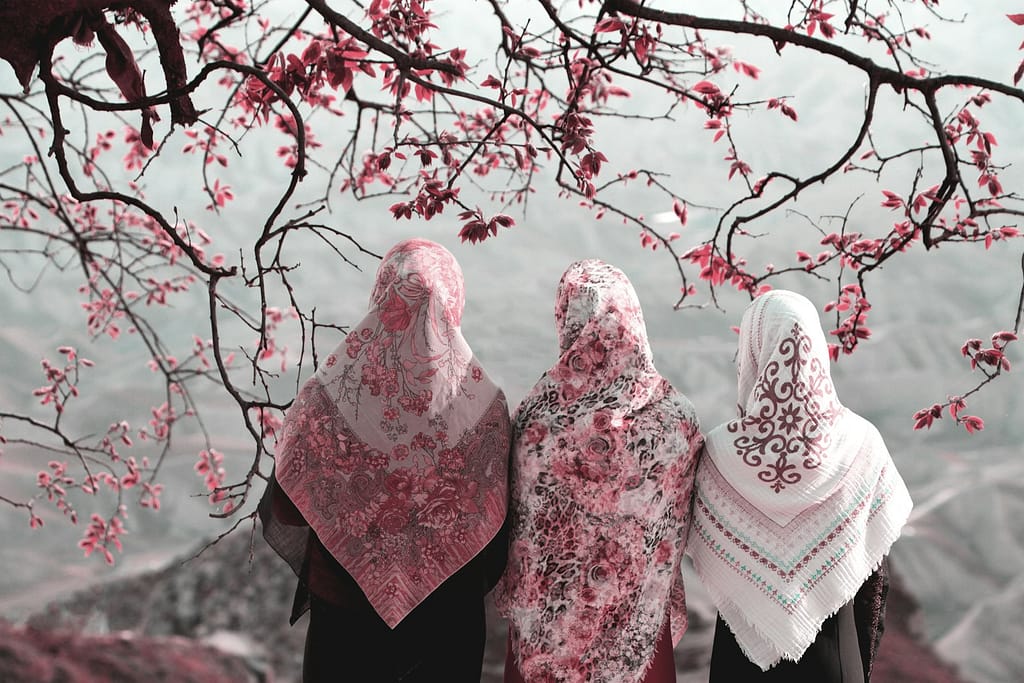
One of the most significant symbols of Muslim identity, the hijab serves as both a personal choice and a fashion statement in contemporary society. This headscarf embodies modesty while allowing individuals to express their unique styles, shaping its role in the global fashion scene. As designers and brands increasingly incorporate hijab-friendly collections, it facilitates a blending of cultural and modern aesthetics that empowers women around the world.
- Styles and Trends
On the fashion front, hijab styles vary significantly, reflecting diverse cultural backgrounds and personal preferences. From classic wraps to contemporary turban styles, they not only enhance outfits but also signify individuality. The incorporation of vibrant colors, intricate patterns, and innovative fabrics has led to a proliferation of trends, allowing hijabi women to confidently navigate both modesty and modernity.
- Global Representation and Acceptance
About the evolving landscape of fashion, the hijab has become a symbol of representation in a world that increasingly values diversity. As more brands embrace modest fashion, the narrative surrounding Muslim identities is reshaped, fostering acceptance and understanding across different cultures.
Hijab representation in global fashion resonates deeply, as it challenges stereotypes and promotes inclusivity. The presence of hijabi models on runways and in advertisements is pivotal in normalizing the hijab and showcasing the beauty of diversity. This shift not only influences perceptions of Muslim women but also inspires a broader dialogue on fashion that respects personal beliefs while promoting a spirit of mutual respect and acceptance in the world of style.
The Intersection of Modesty and Sustainability
Not only does the modesty movement advocate for stylish yet conservative attire, but it also aligns itself with the growing demand for sustainable practices within the fashion industry. As consumers increasingly seek ethically produced clothing, the modest fashion sector embraces these principles, proving that modesty can harmoniously coexist with sustainability. Through thoughtful design and ethical sourcing, modest fashion is paving the way for a more responsible approach to dressing that respects both cultural values and environmental considerations.
- Ethical Fashion Initiatives
The rise of modest fashion has coincided with a surge in ethical fashion initiatives, where brands strive to ensure fair labor practices and transparent supply chains. By prioritizing social responsibility, these initiatives allow for the creation of fashionable yet conscience-driven collections. As fashion designers embrace these ethical principles, also shaping a market that values both style and integrity, catering to a discerning consumer base that advocates for change in the industry.
- Eco-friendly Materials and Production
Before submerging into the complexities of eco-friendly materials and production, it is necessary to acknowledge the growing urgency for brands to adopt environmentally responsible practices. The use of sustainable fabrics such as organic cotton, tencel, and recycled polyester not only minimizes the environmental footprint but also promotes healthier choices for consumers. Brands that emphasize transparency in their production processes further contribute to a responsible fashion ecosystem, appealing to customers who seek to make informed purchasing decisions.
And as brands turn towards eco-friendly materials, they often implement innovative production methods that reduce water consumption and waste. She and he are witnessing a transformation in manufacturing processes that prioritize longevity and recyclability, ensuring that modest fashion is not only stylish but also environmentally conscious. As a result, designers are redefining traditional fashion norms, creating collections that resonate with sustainable values while still celebrating individuality and modesty in style.
Case Studies: Modesty Fashion Around the World
After exploring the global impact of modest fashion, several notable case studies illustrate its diverse interpretations and adaptations. Key examples include:
- 1. The rise of hijab-wearing influencers on social media, showing a 42% increase in engagement among modest fashion content.
- 2. The 2019 launch of the “Modest Fashion Week” in Istanbul, which attracted over 200 brands and 15,000 attendees.
- 3. The collaboration of major retailers like Nike and H&M with modest fashion designers, resulting in a 30% increase in sales among Muslim consumers.
- 4. The establishment of dedicated online platforms such as Modanisa, which reported a 75% growth in traffic in the last year.
- Middle Eastern Influences
To understand the foundations of modest fashion, one must recognize the significant impact of Middle Eastern designers. They have been pivotal in marrying traditional aesthetics with contemporary silhouettes, creating garments that reflect both culture and fashion-forward thinking. These influences are often emblematic of themes like luxury and craftsmanship, driving interest in modest fashion on a global scale.
- Western Adaptations
At the same time, Western interpretations of modest fashion have emerged, driven by a growing appreciation for diversity and inclusivity in style. Retailers and designers in the West have begun embracing modest silhouettes, incorporating them into mainstream fashion lines. This indicates a shift towards broader acceptance of various cultural expressions in contemporary wardrobes.
Indeed, the Western adaptation of modest fashion goes beyond mere trends; it represents an evolving dialogue between cultures. Many designers have found inspiration in the modest styles of the Middle East, utilizing long silhouettes and layered looks while also emphasizing comfort and versatility. This fusion not only appeals to Muslim women but also resonates with non-Muslim consumers seeking fashionable yet modest options. As a result, an increasing number of brands successfully cater to a diverse clientele seeking to embrace personal expression within the bounds of modesty.
The Impact of the Modesty Movement on Global Fashion Trends
Many designers are recognizing the potential of the modesty movement to shape global fashion trends. As traditional attire becomes more mainstream, styles that cater to modesty are influencing high fashion runways and street fashion alike. This shift represents a growing acceptance of diverse expressions of femininity and an embracing of cultural nuances, ultimately expanding the definition of modern elegance.
- Shifts in Consumer Demand
Beside the rise in modest fashion, consumers are increasingly seeking clothing that aligns with their values and lifestyles. This demand has prompted brands to introduce collections that prioritize modest cuts and ethical production practices, thereby appealing to a wider demographic. Consumers now view fashion as not just a style statement, but also as a reflection of their identity.
- Collaborations and Cross-cultural Exchange
Across the fashion industry, partnerships between Western brands and Muslim designers have emerged, resulting in rich cross-cultural exchanges. These collaborations allow participants to share stories and skills, amplifying the importance of cultural representation in fashion.
Global fashion houses are increasingly recognizing the significance of collaboration with Muslim designers to broaden their appeal. Such partnerships result in innovative collections that merge contemporary aesthetics with traditional elements. They allow for an exchange of cultural narratives, leading to designs that resonate with diverse audiences. As a result, the modesty movement not only elevates the visibility of Muslim fashion but also fosters an appreciation for varied cultural backgrounds in the global fashion arena.
Final Words
Ultimately, the Modesty Movement encapsulates a significant shift in global fashion trends, as they showcase the diversity and richness of Muslim culture. As designers and consumers alike embrace modest apparel, they contribute to an inclusive fashion landscape that transcends cultural boundaries. Modest fashion is not only a form of self-expression but also a reflection of personal values, encouraging a deeper understanding of cultural identities within the broader fashion world.