Table of Contents
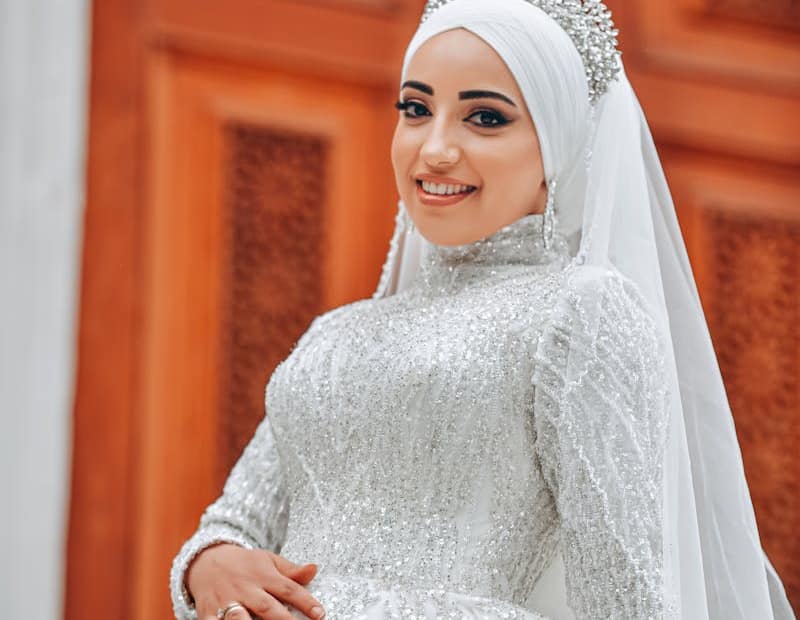
Most Muslim bridal dresses are a beautiful fusion of tradition and personal expression, reflecting the rich cultural heritage of diverse communities. As you research into the intricate designs, vibrant colors, and embellishments, you will discover the stories that shape these exquisite garments. From South Asian lehengas to Middle Eastern abayas, each style is steeped in significance, symbolizing various customs and values. This post will guide you through the fascinating cultural inspirations behind Muslim bridal dresses, helping you appreciate the artistry and meaning woven into every piece.
Historical Influences
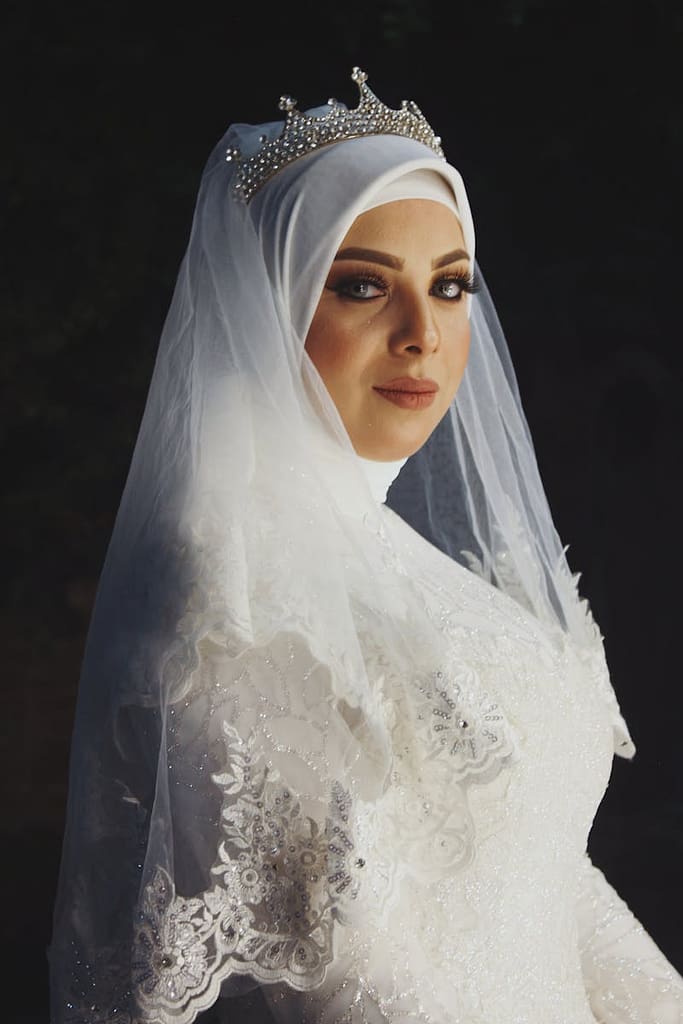
Your understanding of Muslim bridal dresses is enriched by the historical influences that shaped their design. These dresses reflect centuries of cultural exchange, adaptation, and fashion evolution across the Islamic world. Traditionally, they have served not just as garments, but as symbols of identity, community, and heritage, which are deeply rooted in the diverse histories of their wearers.
Traditional Attire Across Cultures
Against the backdrop of various cultures, traditional attire plays a significant role in the representation of individual and communal identities. Bridal dresses across different regions, such as the intricate henna designs of South Asia or the flowing layers of North African garments, distinctly embody the customs and traditions of their respective cultures. Each style tells a unique story of heritage and the personal journey of the bride.
The Evolution of Bridal Dress in Islamic Cultures
Below the surface of contemporary bridal wear lies a rich tapestry reflecting the evolution of attire influenced by various dynasties, trade routes, and cultural interactions. As styles evolved, so did the function, adapting to changing social norms and the significance attached to marriage within different Islamic societies.
With each passing decade, Muslim bridal dresses have transformed, showcasing a blend of tradition and modernity. The introduction of diverse fabrics, bold colors, and intricate embellishments has carried forward age-old techniques while embracing contemporary aesthetics. This evolution is not just about style; it reflects the changing roles and status of women in society, allowing brides to express individuality and cultural pride on their wedding day.
Regional Variations
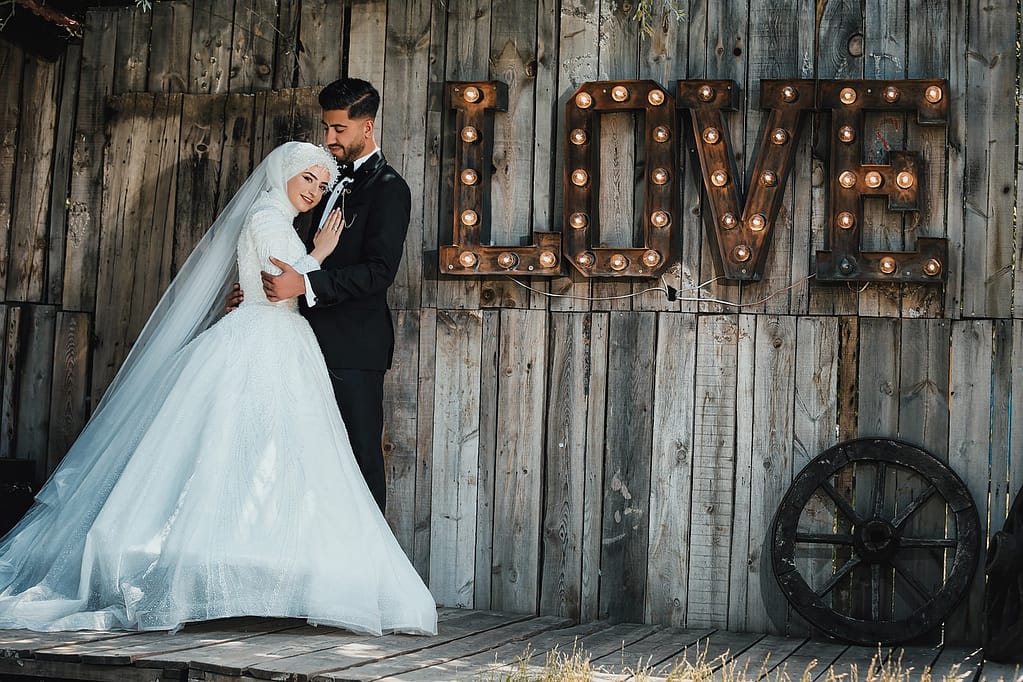
Some Muslim bridal dresses are shaped by the rich diversity found in various regions, showcasing unique cultural influences and traditions. The way bridal attire is designed often reflects the local customs and heritage, making each dress an expression of identity.
Middle Eastern Designs
Middle Eastern bridal dresses are celebrated for their opulence and intricate embellishments. Characterized by luxurious fabrics like silk and satin, these gowns often feature elaborate embroidery, beadwork, and stunning silhouettes that reflect a regal aesthetic.
South Asian Inspirations
Regional variations in South Asian bridal dresses often showcase vibrant colors and rich textiles. You will find traditional elements like lehengas, sarees, and sherwanis adorned with intricate patterns and embellishments, making them visually striking and culturally significant.
In addition, the cultural significance of colors plays a vital role in South Asian weddings. Red, for instance, symbolizes purity and prosperity, while green represents fertility and new beginnings. Floral and paisley motifs are commonly used, drawing from centuries of artistic tradition. Each piece tells a story, often incorporating family heirlooms or custom designs to reflect the bride’s heritage and personal taste.
Southeast Asian Influences
Along with the intricate craftsmanship found in Southeast Asian bridal dresses, you will notice a fusion of traditions that create a beautifully unique aesthetic. These designs often incorporate elements from various cultures, including the use of batik prints and vibrant colors.
Also, the presence of cultural motifs like floral designs and artisanal beadwork exemplifies the craftsmanship unique to the region. Southeast Asian bridal attire often combines modern silhouettes with traditional styles, presenting a perfect blend of contemporary and heritage influences. The result is a stunning visual representation of the diverse cultures that shape Southeast Asian weddings.
Symbolism and Meaning
Despite the rich diversity in styles of Muslim bridal dresses, each piece often carries profound symbolism and meaning. The dress is not merely an outfit; it represents the union of two souls and the cultural heritage you inherit. Different elements within the attire reflect various values, beliefs, and traditions, serving as a reminder of your identity and the community you belong to during this significant life event.
Colors and Their Significance
Along with elegance, the colors you choose for your bridal dress hold deep significance. Each color resonates with specific emotions and cultural meanings, conveying messages of joy, prosperity, and purity. For instance, white may symbolize purity, while red often embodies love and passion, creating a vibrant representation of your intentions as you initiate on this new journey.
Embellishments and Patterns
Embellishments play a vital role in Muslim bridal dresses, showcasing intricate artistry and personal expression. You may find delicate beadwork, embroidery, or sequins that not only enhance the visual appeal but also infuse depth and character into the design. Patterns can convey cultural narratives, with geometric shapes or floral motifs evoking traditions from your heritage.
Hence, the careful selection of embellishments and patterns is imperative in creating a striking bridal gown. Each detail weaves a story, adding individuality to your attire while paying homage to your cultural roots. The craftsmanship behind these adornments reflects the artistry of generations, making your bridal dress a timeless piece that celebrates both your personal and cultural history.
Contemporary Trends
Keep an eye on how contemporary Muslim bridal dresses are evolving, reflecting a blend of traditional craftsmanship and modern aesthetics. Designers are increasingly incorporating innovative silhouettes, bold colors, and diverse materials, catering to the modern bride’s desire for individuality while respecting cultural heritage.
Fusion of Traditional and Modern Styles
At the heart of contemporary Muslim bridal wear lies the harmonious fusion of traditional and modern styles. You will find dresses that incorporate classic embroidery and intricate details alongside sleek, minimalist designs and edgy cuts, creating unique looks that convey both elegance and modernity.
Impact of Global Fashion
An necessary element in shaping contemporary Muslim bridal dresses is the impact of global fashion trends. You may notice how international influences have inspired designers to experiment with diverse fabrics, patterns, and styles, helping brides create a personal statement on their special day.
Impact extends beyond just aesthetic appeal; it reflects a dynamic exchange between cultures. As you explore the world of Muslim bridal fashion, you will encounter pieces that not only embrace traditional values but also celebrate the global village. The influence of Western fashion, Asian textiles, and Middle Eastern artistry creates a melting pot of styles, allowing you to choose from a rich array of designs that resonate with your identity and personal style.
The Role of Religion and Tradition
Now, you may recognize that religion and tradition play pivotal roles in shaping Muslim bridal dresses. These elements are often woven into the fabric of a bride’s attire, reflecting varying interpretations of faith and cultural heritage. The fusion of local customs with Islamic principles can create dress styles that are uniquely resonant, embodying both spiritual values and cultural identity.
Religious Significance in Attire
Religion influences many aspects of attire for Muslim brides, dictating modesty guidelines and the use of specific colors or fabrics. Your bridal outfit often serves not only as a fashion statement but also as a reflection of your devotion and adherence to religious values, establishing a spiritual connection that transcends the physical aspects of dress.
Cultural Ceremonies and Their Impact
After understanding the religious context, you will find that cultural ceremonies also significantly impact bridal attire. Each ceremony, whether it’s a Nikah or a Walima, has its own traditional dress codes, guiding your choices and designs.
Significance is placed on the cultural traditions surrounding each wedding ceremony, as these customs greatly influence the style and decoration of your bridal dress. For instance, vibrant colors may be favored during festivities, while more subdued tones could be chosen for solemn occasions. By aligning your attire with these traditions, you not only honor your heritage but also create a memorable experience that resonates with familial and cultural connections.
Influential Designers and Their Contributions
For the world of Muslim bridal fashion, influential designers play a pivotal role in shaping modern aesthetics while honoring traditional elements. Renowned designers leverage their creativity and cultural understanding to craft enchanting bridal dresses that merge elegance with modesty. Their innovative techniques and unique designs have redefined what Muslim bridal wear can be, making it a vibrant part of the global fashion scene.
Notable Muslim Designers
Before you explore Muslim bridal fashion, it’s crucial to acknowledge notable designers who have made significant contributions. Designers like Hana Tajima and Azeeza Khan have successfully blended contemporary styles with cultural roots, creating captivating collections that resonate with many brides. Their artistry and dedication have elevated Muslim bridal wear, allowing brides to embrace their identity with confidence and style.
Global Influence of Muslim Bridal Fashion
Their impact extends beyond regional boundaries, as Muslim bridal fashion has captivated global audiences. Designers are drawing inspiration from various cultures, resulting in unique pieces that celebrate diversity. This fusion has led to a richer dialogue within the fashion industry, encouraging collaborations and introducing new trends that reflect individuality while honoring traditions.
Notable collaborations and emerging designers continue to showcase the versatility of Muslim bridal fashion on international platforms. As more Muslim women express their personal styles through these beautiful garments, the influence is palpable, enriching the global narrative. You can appreciate how this dynamic blend of cultures not only enhances your wardrobe but also fosters a sense of inclusivity within the broader fashion landscape.
To wrap up
Upon reflecting on the cultural inspirations behind Muslim bridal dresses, you gain a deeper understanding of the rich traditions and diverse aesthetics that influence these garments. Each dress, with its unique fabric, embroidery, and design, tells a story that connects generations, showcasing the blend of faith, culture, and personal expression. Embracing this knowledge not only enriches your appreciation for the artistry involved but also highlights the significance of heritage in contemporary celebrations. Your exploration of these dresses fosters a greater respect for the artistry and meaning woven into Muslim bridal fashion.