Table of Contents
Most people may not realize that Muslim fashion is a vibrant tapestry woven from diverse cultures around the world. In this exploration, you’ll probe into the unique styles, fabrics, and traditions that define Muslim fashion across continents, highlighting how cultural heritage and modern trends come together. From the intricate embroidery of Indonesia to the luxurious silks of Turkey, your journey will unveil the rich expressions of identity, faith, and creativity found within Muslim attire, showcasing how fashion serves as a reflection of both personal and collective narratives.
Historical Context of Muslim Fashion
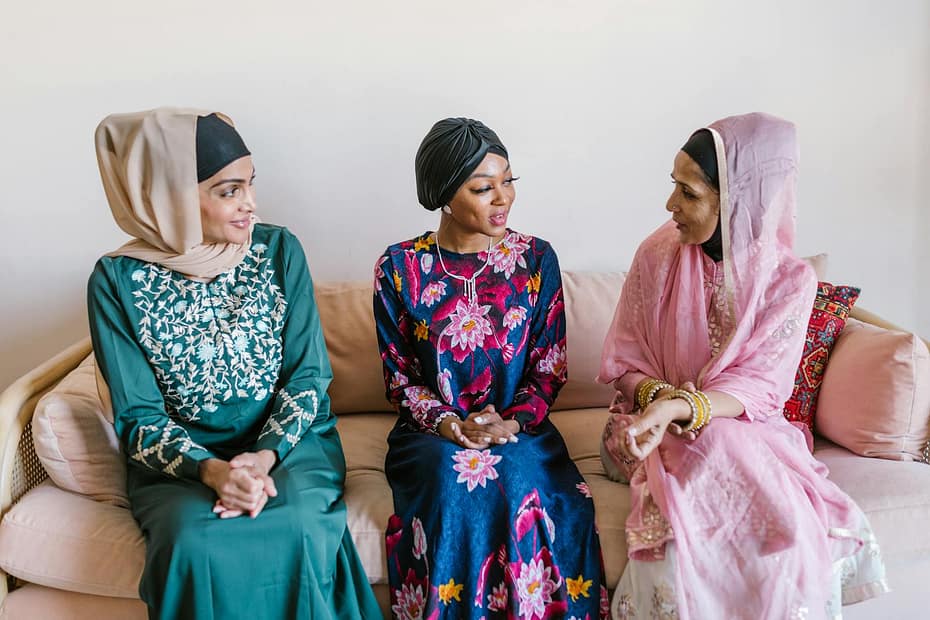
For centuries, Muslim fashion has evolved intricately interwoven with cultural, societal, and religious influences. As you explore into the rich history of Muslim attire, you’ll discover how varying traditions, conquests, and trade routes have shaped styles and textiles across different regions. Each era adds a layer of complexity, reflecting the values and beliefs of the communities within the Islamic world, while also showcasing a unique blend of local customs and global interactions.
Traditional Attire Across Cultures
Above all, traditional Muslim attire varies significantly from one culture to another, influenced by geography, climate, and local customs. You will encounter garments such as the abaya in the Arabian Peninsula, the shalwar kameez in South Asia, and the baju kurung in Indonesia, each symbolizing identity and heritage. This diversity illustrates how Muslim fashion not only serves a practical purpose but also acts as a visual representation of cultural pride and individuality.
The Influence of Religion on Dress Codes
Muslim cultural values significantly shape dress codes, guiding your choices in everyday wear as well as formal attire. Religious teachings emphasize modesty, often manifesting in specific styles that prioritize coverage while allowing for personal expression. As you explore these influences, you’ll see how different sects and communities interpret these guidelines, resulting in a rich tapestry of styles that vary across the globe.
Another important aspect to consider is how religious texts and historical interpretations impact your fashion choices. For instance, many Muslims look to the Quran and Hadith for inspiration, which advocate for modesty yet encourage individual expression through fabric choices and colors. You may also observe that some communities embrace contemporary fashion trends while adhering to traditional guidelines, creating a dynamic intersection between faith and personal style. This balance reflects your personal values and beliefs, making Muslim fashion a unique blend of devotion and creativity.
Contemporary Muslim Fashion Trends
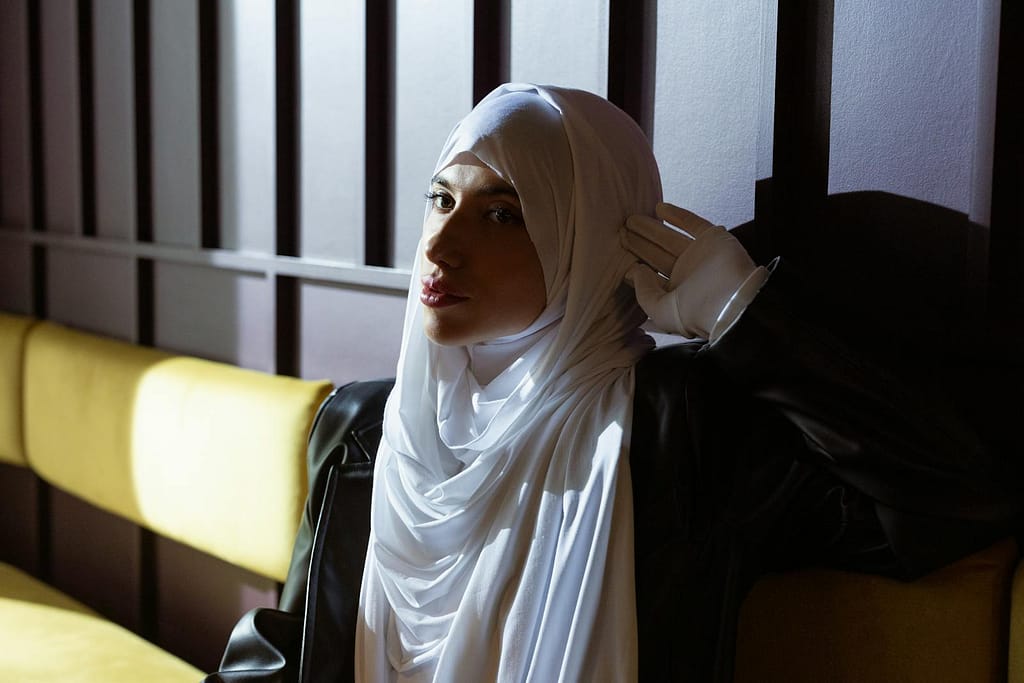
Any discussion of contemporary Muslim fashion trends showcases a dynamic blend of tradition and modernity. You will notice that designers are embracing diverse styles, fabrics, and colors, reflecting the unique cultural narratives of Muslim women worldwide. This era empowers you to express your identity through fashion, as modesty intertwines with creativity and individuality. The global focus on inclusivity leads to a vibrant, eclectic landscape of garments that cater to various tastes while remaining true to the principles of modesty.
Modest Fashion Movement
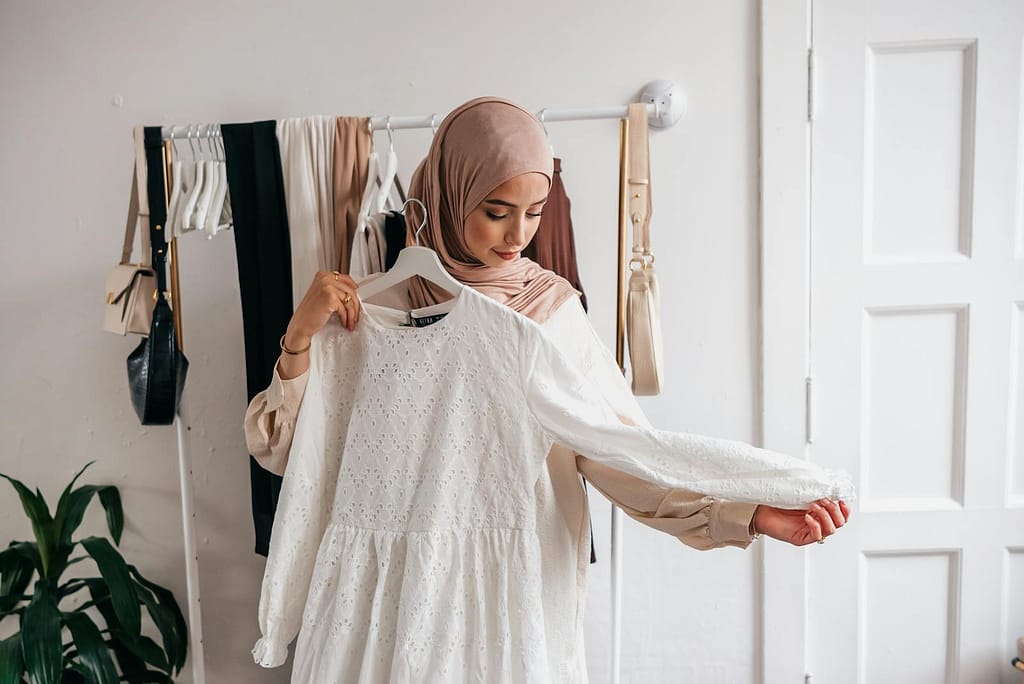
With the rise of the modest fashion movement, you find an increasing prominence of brands dedicated to designing stylish yet modest clothing. This movement challenges conventional fashion norms, inviting you to explore a variety of fashionable options that honor your values without compromising on style. You may find that local and international designers are producing collections that resonate with the modern Muslim consumer, making fashion accessible and inclusive for everyone.
Global Designers and Their Impact
Any fashion landscape today benefits from the contributions of global designers who champion the principles of modesty while pushing the envelope of creativity. You’ll see these visionaries challenge stereotypes, bringing visibility to Muslim fashion on international runways. Their influence not only shapes your wardrobe choices but also fosters a dialogue around cultural appreciation and representation within the fashion industry.
Even as these global designers gain recognition, their impact extends far beyond aesthetics. You may find that they are creating a bridge between cultures, promoting understanding and acceptance through their work. This burgeoning movement encourages you to embrace your identity while exploring new trends that reflect your beliefs. The collaboration between designers and fashion influencers leads to innovative designs that resonate with your personal style, making modesty an integral facet of the contemporary fashion narrative.
Regional Variations in Muslim Fashion
You will find that Muslim fashion is far from monolithic, reflecting the diverse cultures and traditions of different regions. From the intricately embroidered garments of South Asia to the flowing abayas of the Middle East, each region brings its unique flair to Islamic attire. This chapter examines into the regional variations that shape Muslim fashion around the globe, highlighting how identity, history, and culture influence styles and trends.
Middle Eastern Styles
Along the bustling streets of Middle Eastern cities, you will discover a rich tapestry of Islamic fashion characterized by elegant abayas and kaftans. These garments often feature intricate designs and luxurious fabrics, enabling wearers to express their individuality while adhering to cultural norms. As you explore different countries in the region, you’ll notice variations that reflect local customs and traditions, resulting in a vibrant and diverse fashion landscape.
South Asian Influences
For those who appreciate the intricacies of South Asian attire, you’ll find a plethora of vibrant colors and exquisite craftsmanship in garments like the shalwar kameez and lehenga. Each piece tells a story influenced by a blend of cultural heritage, religion, and modern aesthetics.
Due to the rich textile history and vibrant culture of South Asia, Muslim fashion in this region often incorporates elaborate embroidery, unique patterns, and luxurious fabrics. Renowned for their craftsmanship, artisans create clothing that blends traditional styles with contemporary fashion trends. The combination of modesty and elegance is prominent, allowing ample room for individual flair while remaining respectful of cultural values. South Asian influences in Muslim fashion celebrate the union of identity and artistry, reflected in the stunning designs and exceptional craftsmanship found throughout the region.
Southeast Asian Trends
The vibrant fashion scene in Southeast Asia, particularly in countries like Indonesia and Malaysia, showcases your access to a diverse range of Islamic clothing. You will come across the popular hijab styles complemented by colorful batik patterns and chic modern silhouettes, making a statement of cultural pride and contemporary fashion.
This region is notable for its ability to marry tradition with innovation, leading to a dynamic evolution of Islamic fashion. Designers often draw inspiration from local textiles and motifs, resulting in unique collections that resonate with both traditional and modern sensibilities. The modest fashion movement is particularly impactful here, where bold colors and intricate designs are celebrated, allowing for a delightful exploration of personal style while adhering to Islamic values.
Western Adaptations
Fashion in the Western world often adapts to accommodate Muslim women’s needs, and you will find that many modern brands are creating fashionable attire that reflects modesty without sacrificing style. This blending of cultural identities represents a growing acceptance and appreciation for diversity.
Asian styles are increasingly influencing Western fashion, leading to a fusion that showcases the beauty of cultural exchange. Many designers are incorporating elements like the hijab or modest silhouettes into their collections, reflecting the needs and desires of Muslim consumers in the West. This adaptation not only promotes inclusivity but also enhances the visibility of Muslim fashion on global runways, ultimately encouraging a dialogue that celebrates diversity while honoring tradition.
The Role of Social Media in Shaping Fashion
To understand the evolution of Muslim fashion, you must recognize how social media platforms have transformed the way trends are shared and embraced worldwide. Through vibrant visuals and engaging content, platforms like Instagram and TikTok allow for a dynamic exchange of styles, leading to a fusion of traditional and contemporary influences. These platforms not only showcase diverse aesthetic choices but also empower individuals to represent their cultural identities confidently.
Influencers and Their Reach
For you, influencers serve as modern-day style icons who curate and shape fashion narratives. By leveraging their reach, these individuals introduce followers to Muslim fashion brands and unique styles that might otherwise go unnoticed. Their ability to connect with a global audience allows for a broader understanding of how cultural influences can enhance personal style.
Online Communities and Fashion Blogs
Shaping your perception of Muslim fashion, online communities and fashion blogs are invaluable resources. These platforms not only encourage discussions but also provide you with a multitude of perspectives on how to blend cultural heritage with modern fashion trends.
Understanding the impact of online communities and fashion blogs can significantly enhance your fashion journey. These spaces foster a sense of belonging, where you can interact with like-minded individuals who share your interests. Here, you can exchange recommendations, explore diverse fashion aesthetics, and gain insights into styling tips that respect your cultural values while staying trendy. The community aspect not only promotes inclusivity but also amplifies voices that champion diversity in fashion, ultimately enriching your wardrobe choices.
Fashion Events and Exhibitions
Once again, fashion events and exhibitions around the world serve as dynamic platforms for showcasing Muslim fashion. These gatherings not only exhibit the latest collections but also foster a community where designers and enthusiasts can connect. From runway shows in Paris to cultural festivals in Jakarta, you’ll find that these events highlight the rich diversity and creativity within the Muslim fashion landscape, prompting discussions on sustainability, modesty, and cultural appreciation.
Highlighting Muslim Designers
Above all, highlighting Muslim designers plays a significant role in elevating their voices and perspectives within the fashion industry. These creators bring unique narratives and innovative designs, enriching the global fashion discourse. By showcasing their works, you can discover new trends and styles that resonate with both cultural values and modern aesthetics.
Celebrating Cultural Heritage through Fashion
With each stitch and fabric choice, you can see how Muslim designers celebrate their cultural heritage through fashion. This creative expression often reflects traditional craftsmanship, colors, and motifs that have been passed down through generations. By integrating cultural elements into their designs, these designers invite you to appreciate not only their backgrounds but also the universal themes of identity and belonging.
Another great aspect of celebrating cultural heritage through fashion is how it serves as a bridge between past and present. You might notice how contemporary Muslim designers reinterpret historical garments, adding modern flair while honoring their origins. This approach pays homage to their cultural roots and provides a platform for dialogue about tradition, innovation, and social change in today’s world. By engaging with this fusion of styles, you participate in a rich narrative that transcends borders and builds community among diverse individuals.
Challenges and Future Directions
All around the world, Muslim fashion faces various challenges, from cultural misrepresentation to the need for inclusivity within collections. As consumers become more discerning, it’s necessary to bridge gaps between traditional aesthetics and modern styles while ensuring ethical practices. The future presents an opportunity for designers and brands to innovate and inspire, but overcoming these challenges will require a collective effort that embraces diversity and sustainability in the fashion industry.
Balancing Tradition and Modernity
An necessary aspect of Muslim fashion is striking the right balance between tradition and modernity. You may find that while customers seek fashionable options, they also desire adherence to cultural and religious values. This junction provides an opportunity for designers to create collections that respect traditional garments while incorporating contemporary trends that resonate with younger audiences.
The Role of Sustainability in Muslim Fashion
Muslim fashion is increasingly acknowledging the importance of sustainability and ethical practices. You can see a rising demand for eco-friendly materials and transparent production processes among consumers. As awareness grows, the industry has the potential to impact environmental and social issues positively, aligning fashion choices with values of responsibility and respect for the planet.
Balancing sustainability with Islamic design principles encourages you to embrace not only style but also environmental consciousness. You may appreciate the idea of choosing garments made from organic materials or supporting brands that prioritize fair labor practices. By making informed choices, you’re contributing to a fashion movement that respects both your cultural heritage and the environment, forging a path toward a more sustainable future in Muslim fashion.
Final Words
Considering all points, your exploration of Muslim fashion across continents reveals rich narratives that transcend cultural boundaries. By understanding the diverse expressions of identity and belief through attire, you gain valuable insights into the global tapestry of fashion. This journey not only enhances your appreciation for multicultural aesthetics but also highlights the power of clothing as a medium for personal expression and social dialogue. Embrace these varying perspectives as you continue to engage with the world of fashion and its profound connections to faith and culture.