Table of Contents
The Rise of Muslim Fashion: Embracing Diversity and Style has been a significant phenomenon in recent years, reflecting the growing global recognition of Muslim cultures and their unique sense of style. This article explores the evolution and impact of Muslim fashion, highlighting how it has become a platform for self-expression, cultural integration, and empowerment. From modest clothing to innovative designs and fashion shows, the Muslim fashion industry has gained traction worldwide, catering to a diverse range of individuals who seek both religious adherence and fashion-forward choices. Discover the captivating journey of Muslim fashion and its contributions to embracing diversity and style.
The Evolution of Muslim Fashion
Traditional Muslim Attire
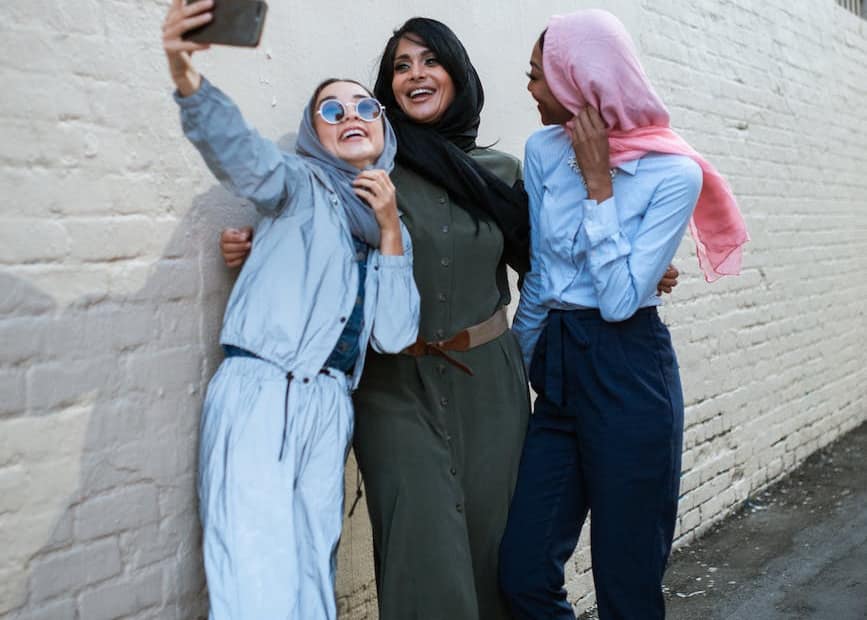
Muslim fashion has a rich history that dates back centuries. Traditional Muslim attire is characterized by modesty and a focus on covering the body while still allowing for personal expression. One of the most recognizable forms of traditional Muslim attire is the hijab, a headscarf worn by Muslim women to cover their hair and neck. The hijab comes in a variety of styles and colors, allowing women to showcase their personal style while adhering to religious guidelines.
Additionally, Muslim men often wear a thobe, a long robe-like garment, paired with a keffiyeh, a traditional Middle Eastern headdress. These traditional garments not only serve as a means of adhering to religious customs but also represent a sense of cultural identity and pride for Muslim individuals.
Influence of Global Fashion Trends
In recent years, Muslim fashion has experienced a significant transformation influenced by global fashion trends. Muslim individuals are increasingly incorporating elements of contemporary fashion into their traditional attire, resulting in a fusion of cultural and modern styles. This blending of influences has led to the creation of unique and diverse fashion choices for Muslim men and women.
Western fashion trends, such as bold prints, vibrant colors, and unconventional silhouettes, have been embraced by Muslim fashion designers and enthusiasts. These trends have allowed Muslim individuals to express their personal style while staying true to their religious beliefs. Moreover, the integration of global fashion trends has led to the emergence of contemporary modest fashion, which caters to the needs and preferences of Muslim consumers worldwide.
Emerging Muslim Fashion Designers
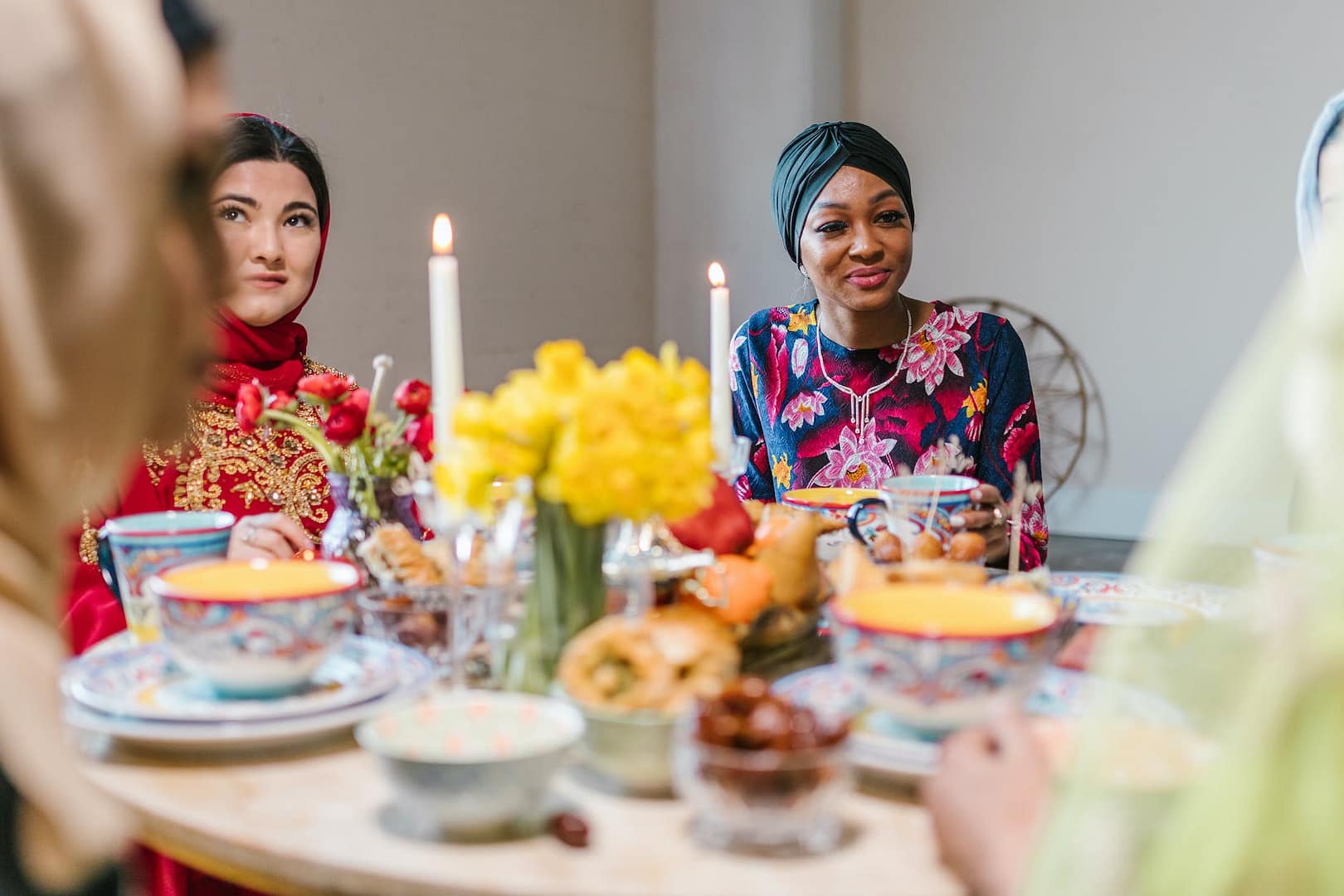
The rise of Muslim fashion has also given rise to a new generation of talented Muslim fashion designers. These designers combine their creativity with a deep understanding of Islamic principles to create innovative and stylish designs. They have successfully introduced modern and inclusive interpretations of traditional Muslim attire, catering to a diverse range of body types and personal preferences.
Many emerging Muslim fashion designers have gained international recognition for their contributions to the industry. They have been featured in major fashion events and have collaborated with renowned fashion houses to bring Muslim fashion to the forefront of the global fashion scene. These designers have not only challenged stereotypes but have also played a crucial role in promoting inclusivity, diversity, and cultural understanding through their designs.
In conclusion, the evolution of Muslim fashion has been marked by the integration of traditional attire with global fashion trends. This fusion has resulted in the emergence of contemporary modest fashion, allowing Muslim individuals to embrace diversity and style while staying true to their religious commitments. The rise of talented Muslim fashion designers has further contributed to the growth and recognition of Muslim fashion on a global scale.
Diversity in Muslim Fashion
Muslim fashion has experienced a significant rise in recent years, with individuals from diverse backgrounds embracing their cultural and religious identities while expressing their personal style. This growing trend is not only a testament to the creativity and innovation within the fashion industry but also highlights the importance of diversity and inclusivity.
Regional and Cultural Influences
Muslim fashion is not a monolithic concept, but rather a reflection of the diverse regional and cultural influences within the Muslim world. From the vibrant colors and intricate patterns of South Asian fashion to the elegant simplicity of Middle Eastern attire, each region brings its unique flair to the Muslim fashion scene.
In South Asia, for example, traditional garments like sarees and lehengas have been reimagined to align with modest fashion principles, incorporating longer hemlines, higher necklines, and full sleeves. This fusion of cultural and religious elements has created a vibrant and distinctive style that resonates with Muslim women worldwide.
Similarly, Middle Eastern fashion has long been associated with elegance and sophistication. Traditional garments such as abayas and kaftans have evolved to incorporate modern cuts, luxurious fabrics, and intricate embellishments. This blend of traditional and contemporary design elements has made Middle Eastern fashion a global trendsetter in the Muslim fashion industry.
Modest Fashion for Different Occasions
Contrary to popular misconceptions, Muslim fashion is not limited to religious or everyday wear. It encompasses a wide range of styles suitable for various occasions, including formal events, weddings, and even sports activities. The rise of modest fashion has paved the way for Muslim women to dress stylishly while adhering to their faith’s principles of modesty.
For formal occasions, women can opt for stunning evening gowns or tailored suits that feature modest cuts and elegant designs. These outfits often incorporate luxurious fabrics, intricate embroidery, and modest yet fashionable accessories, allowing Muslim women to make a fashion statement while staying true to their beliefs.
When it comes to weddings, Muslim fashion offers a plethora of options. From intricately designed bridal gowns to modest bridesmaid dresses, these outfits celebrate the beauty of love and marriage while respecting cultural and religious traditions. Muslim wedding fashion often showcases rich fabrics, exquisite embellishments, and elaborate headpieces, creating a visually stunning and culturally significant ensemble.
Even in the realm of sports and fitness, Muslim women can find fashionable and modest activewear options. Sports hijabs, modest swimwear, and loose-fitting athletic clothing are now readily available, enabling Muslim women to participate in physical activities comfortably and confidently without compromising their beliefs.
Inclusivity and Representation
One of the most remarkable aspects of the rise of Muslim fashion is its emphasis on inclusivity and representation. The industry has witnessed a shift towards greater diversity in terms of models, designers, and brands, ensuring that Muslim women from all walks of life feel seen and represented.
In recent years, prominent fashion weeks and events worldwide have increasingly featured Muslim designers and models on their runways. This representation not only challenges conventional beauty standards but also promotes inclusivity by showcasing the talent and creativity of Muslim designers to a global audience.
Furthermore, the rise of modest fashion has also encouraged mainstream brands to cater to the needs of Muslim consumers. Many designers and retailers now offer modest fashion lines, recognizing the purchasing power and influence of Muslim customers. This inclusivity allows Muslim women to have a wider range of options, empowering them to express their individuality and style while staying true to their faith.
In conclusion, the rise of Muslim fashion represents a celebration of diversity, cultural heritage, and personal style. With its regional and cultural influences, versatility for different occasions, and commitment to inclusivity and representation, Muslim fashion has become a powerful force in the global fashion industry, inspiring individuals of all backgrounds to embrace diversity while expressing their unique identities.
Challenges and Controversies
Criticism and Misconceptions
Muslim fashion has faced its fair share of criticism and misconceptions. One prevalent misconception is the belief that Muslim women are oppressed or forced to wear certain garments. However, this idea fails to acknowledge the diversity within the Muslim community and the personal choices made by individuals. In reality, Muslim women have been reclaiming their narrative and using fashion as a means of self-expression and empowerment.
Another criticism often directed towards Muslim fashion is the assumption that it is incompatible with modernity or Western ideals. This perception stems from a lack of understanding and an oversimplification of the complexities of Muslim culture. In truth, Muslim fashion has evolved over time to incorporate contemporary styles and trends while still adhering to religious guidelines.
Cultural Appropriation
Cultural appropriation is a significant concern within the fashion industry, and Muslim fashion is no exception. It is crucial to recognize and respect the origins and cultural significance of certain garments, such as the hijab or abaya, rather than appropriating them for purely aesthetic purposes. Muslim fashion designers and influencers are actively advocating for cultural appreciation rather than appropriation, encouraging dialogue and collaboration to bridge cultural gaps.
Balancing Faith and Fashion
For many Muslim individuals, the challenge lies in finding a balance between their religious beliefs and their love for fashion. The Quran encourages modesty, promoting the idea of covering one’s body but also allowing for individual interpretation. This has led to a diverse range of fashion choices among Muslim communities worldwide.
Muslim fashion designers have emerged, creating innovative designs that adhere to religious guidelines while still embracing style and creativity. They have introduced unique silhouettes, patterns, and fabrics that cater to the needs and preferences of Muslim consumers. The rise of modest fashion weeks and online platforms has also provided a space for showcasing and celebrating the intersection of faith and fashion.
In conclusion, Muslim fashion has not been immune to challenges and controversies. Criticism and misconceptions have perpetuated stereotypes, but Muslim individuals have overcome these hurdles by reclaiming their narrative and embracing fashion as a means of empowerment. Cultural appropriation remains a concern, emphasizing the importance of understanding and respecting the origins of Muslim fashion. Balancing faith and fashion has its complexities, but Muslim designers and influencers have successfully navigated these challenges, showcasing the beautiful diversity and style within Muslim fashion.
The Impact of Social Media
Social media has revolutionized the way we connect, communicate, and consume content. In the context of Muslim fashion, social media platforms have played a pivotal role in promoting diversity and empowering individuals within the industry. From empowering Muslim fashion influencers to increasing visibility and accessibility, social media has emerged as a powerful tool for change.
Empowering Muslim Fashion Influencers
Social media has provided a platform for Muslim fashion influencers to express themselves, showcase their unique styles, and connect with a global audience. These influencers, who were once limited by traditional media channels, now have the ability to shape the narrative surrounding Muslim fashion and challenge stereotypes.
With the rise of platforms like Instagram, YouTube, and TikTok, Muslim fashion influencers have gained significant traction and influence. They have become powerful voices within the industry, inspiring others to embrace their faith while expressing their individuality through fashion. By sharing their personal journeys and fashion choices, these influencers have shattered misconceptions and fostered a sense of empowerment among Muslim women around the world.
Increased Visibility and Accessibility
One of the biggest impacts of social media on the rise of Muslim fashion is the increased visibility and accessibility it offers. In the past, Muslim fashion often struggled to gain recognition within mainstream fashion circles. However, social media has provided a space for these designers, brands, and influencers to showcase their talent, creativity, and unique perspectives to a global audience.
Through social media, individuals from diverse backgrounds and cultures can discover and appreciate the beauty of Muslim fashion. This increased visibility has not only allowed Muslim fashion to gain recognition but has also made it more accessible to people of all backgrounds. By breaking down geographical barriers and reaching a wider audience, social media has played a vital role in promoting inclusivity and diversity within the fashion industry.
Social Media as a Tool for Change
In addition to empowering influencers and increasing accessibility, social media has served as a powerful tool for change within the Muslim fashion industry. It has allowed individuals and communities to address social issues, challenge stereotypes, and advocate for greater representation.
Through campaigns and discussions on social media platforms, important conversations surrounding modesty, diversity, and inclusivity have gained momentum. Muslim fashion influencers and activists have utilized their platforms to challenge the status quo, redefine beauty standards, and encourage the industry to become more inclusive.

Moreover, social media has facilitated collaborations between Muslim fashion brands and non-Muslim designers, leading to the creation of diverse and inclusive collections. By bridging cultural gaps and fostering dialogue, social media has enabled the fashion industry to evolve and embrace the concept of diversity in a meaningful way.
In conclusion, the impact of social media on the rise of Muslim fashion cannot be underestimated. It has empowered Muslim fashion influencers to express themselves, increased visibility and accessibility, and served as a tool for change. As social media continues to evolve, it will undoubtedly play an even greater role in promoting diversity, inclusivity, and style within the Muslim fashion industry.
In conclusion, the rise of Muslim fashion represents more than just a trend or a passing phase. It is a powerful movement that embraces diversity, empowers Muslim women, and challenges stereotypes. Through the fusion of style and modesty, Muslim fashion has become a symbol of self-expression and cultural pride. It has also opened doors for dialogue and understanding, promoting inclusivity and breaking down barriers.
As the fashion industry continues to evolve, it is crucial to recognize and celebrate the contributions of Muslim designers and fashion influencers in shaping a more diverse and inclusive world. The rise of Muslim fashion is a testament to the power of fashion as a tool for social change and acceptance.