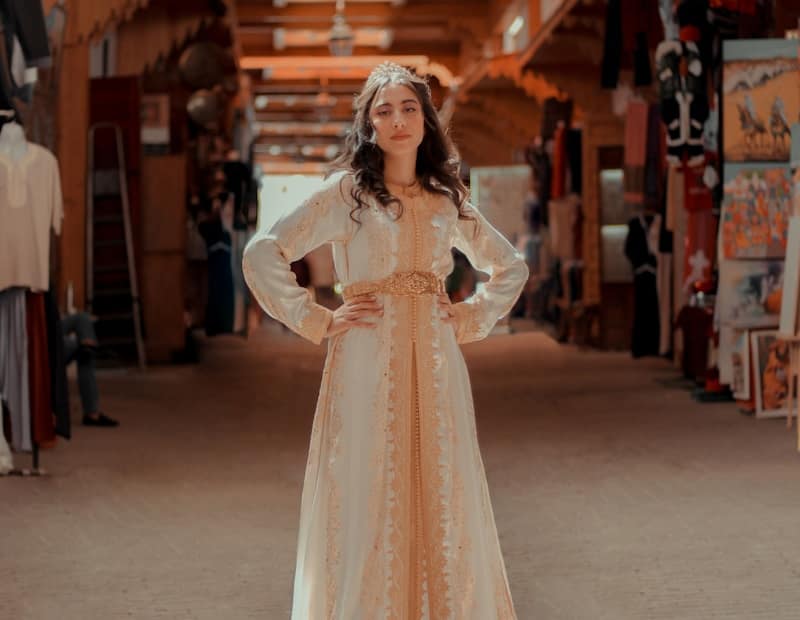
Table of Contents
It’s fascinating to explore the significance of kaftans in Muslim culture, as these garments exemplify both beauty and functionality. Originating centuries ago, kaftans have evolved into symbols of elegance that reflect the diverse influences of different regions and traditions. As you research into their rich history, you will discover how these flowing robes have been adapted throughout time, maintaining their relevance in modern fashion while honoring their cultural roots. Join us as we unravel the story of kaftans and their enduring appeal in your wardrobe and beyond.
Origins of the Kaftan
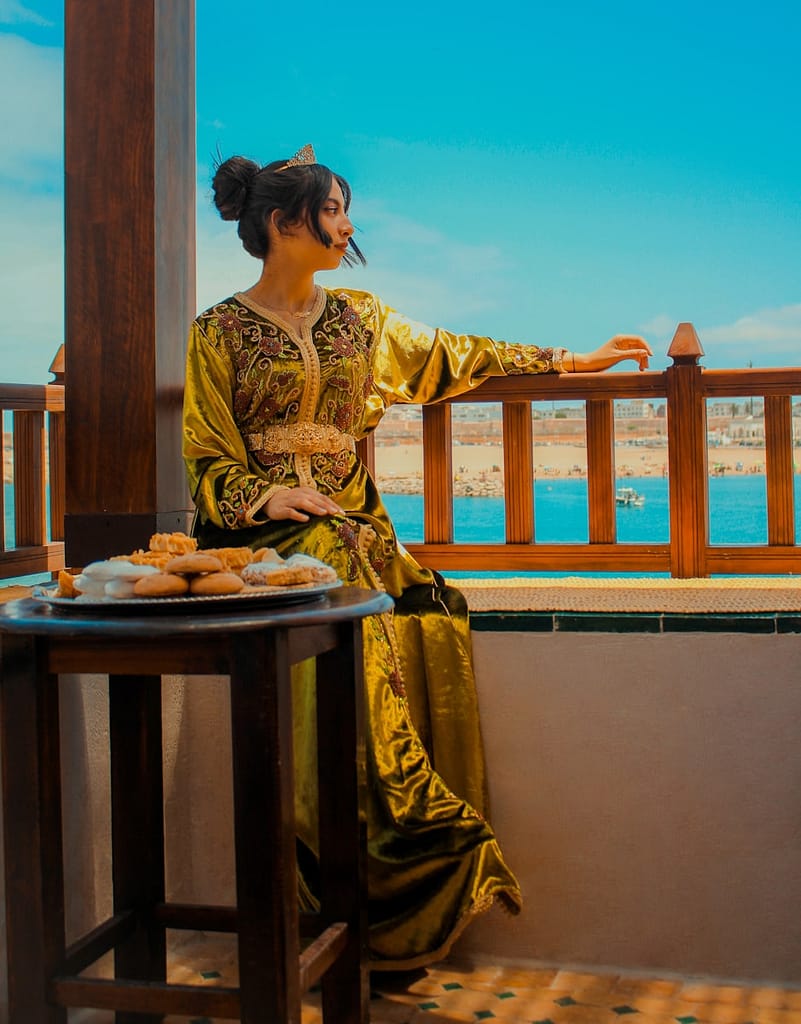
To understand the kaftan’s significance in Muslim culture, you must first appreciate its rich origins, tracing back to ancient Persia. This flowing garment was initially worn by nobility and elite classes, symbolizing wealth and sophistication. Over centuries, it transcended cultural boundaries and evolved, becoming a staple in various regions, each adapting it to their unique aesthetics and climate.
Historical Background
Behind the kaftan’s journey lies a tapestry of trade and cultural exchange. Originating in Persia, it spread through the Silk Road, influencing diverse societies, including those in the Middle East, North Africa, and parts of South Asia. With each culture, the kaftan adopted new fabrics, embellishments, and styles, creating a dynamic history that reflects the blending of traditions.
Cultural Significance
Around the world, the kaftan has become a symbol of cultural identity and self-expression, especially in Muslim communities. It is often worn during significant events, such as weddings and religious occasions, showcasing both tradition and artistry. The kaftan serves as an emblem of unity in diversity, celebrating regional variations while maintaining its core essence.
Also, the kaftan reflects social status and personal taste, allowing you to express your individuality while honoring cultural heritage. The garment’s versatility means it can be styled elegantly for formal events or worn casually, bridging the gap between the past and present. As you engage with the kaftan, you embrace a rich history that intertwines fashion, culture, and identity.
Evolution Through the Ages
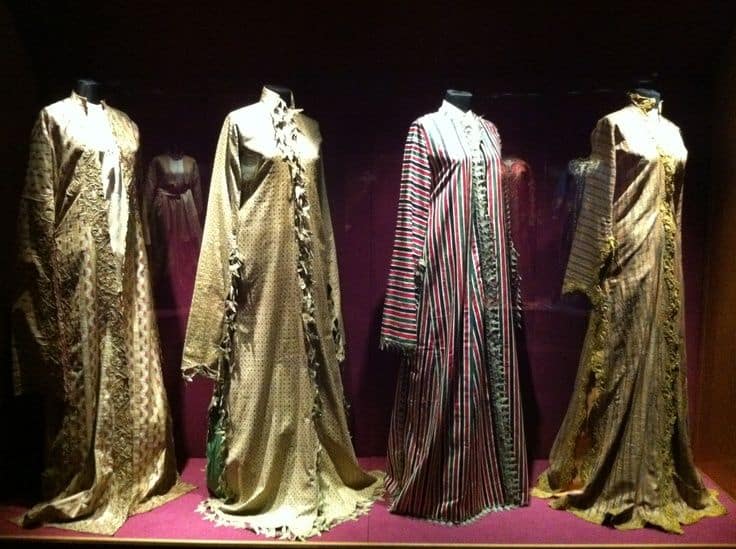
While the kaftan has existed for centuries, its design and significance have transformed throughout history. Originating in ancient Persia, this garment has woven itself into the fabric of various cultures across the globe, adapting to regional styles and tastes. With each era, the kaftan has reflected social changes and artistic expressions, cementing its place in the wardrobes of many. Today, it stands not only as a garment of comfort but also as a statement piece that celebrates cultural heritage while embracing modernity.
The Kaftan in the Ottoman Empire
On a grand scale, the kaftan gained prestige during the Ottoman Empire, where it became synonymous with royalty and luxury. Wealthy sultans and dignitaries adorned themselves in richly embroidered kaftans, crafted from opulent fabrics like silk and brocade, each design often signifying status and wealth. This era solidified the kaftan as a symbol of grandeur, with elaborate patterns and vibrant colors reflecting the empire’s artistic prowess.
Modern Interpretations
About the modern era, the kaftan has undergone a stylish revival, seamlessly merging tradition with contemporary fashion. Designers around the world now incorporate diverse fabrics and innovative cuts, catering to a global audience. You may find kaftans rich in ethnic motifs or minimalist designs that emphasize comfort and versatility. This evolution allows you to appreciate the cultural history while enjoying its fashionable and functional aspects in today’s world.
Plus, the rise of social media and fashion influencers has propelled the kaftan into everyday wear, showcasing its adaptability. The garment now caters to various occasions, from casual outings to elegant events, making it a versatile staple in your wardrobe. You can experiment with unique styling options—pairing it with statement jewelry or modern footwear—to reflect your personal taste, all while celebrating a rich cultural heritage that remains deeply rooted in the kaftan’s history.
Regional Variations
Even though kaftans are widely celebrated, their styles and designs vary significantly across different regions, each bringing a unique flair to this timeless garment. You will discover how cultural influences, local fabrics, and traditions shape the aesthetics of kaftans, creating a rich tapestry of styles that reflect the diversity within Muslim communities.
Middle Eastern Styles
Behind the elegance of Middle Eastern kaftans lies a blend of history and craftsmanship, featuring luxurious fabrics like silk and brocade. You’ll notice how intricate embroidery and embellishments often signify social status, while the flowing silhouette promotes modesty and comfort, important elements in Muslim culture.
North African Influences
Around North Africa, kaftans exhibit vibrant colors and patterns, deeply rooted in Berber, Arab, and Mediterranean traditions. You will find that local artisans use intricate beadwork and textile techniques, resulting in striking garments that are both functional and decorative.
Also, North African kaftans often incorporate bold geometric patterns and eye-catching fabrics, allowing wearers to express their identity and heritage. The styles can range from everyday wear to elaborate pieces worn for special occasions, showcasing the blend of comfort and style that characterizes North African fashion. The influence of local customs and craftsmanship makes each kaftan a unique work of art, reflecting the cultural narratives of the region.
Kaftans in Contemporary Fashion
Your appreciation for kaftans continues to grow as they transition into contemporary fashion, celebrated for their comfort and versatility. Designers around the world are reinventing this timeless garment, marrying traditional aesthetics with modern fabrics and silhouettes. Today’s kaftans are not only functional but also statement pieces suitable for any occasion, embodying a perfect blend of heritage and trendiness.
Global Fashion Trends
Fashion has embraced the kaftan as a go-to choice for both casual wear and formal events. Various designers incorporate vibrant prints, intricate embroidery, and luxurious fabrics, making kaftans a staple in wardrobes around the world. Whether at summer festivals or upscale gatherings, the kaftan has evolved into a symbol of effortless style, catering to a diverse group of fashion enthusiasts.
Celebrity Influence
To highlight the kaftan’s rise in contemporary fashion, numerous celebrities have popularized this garment through their stylish appearances.
Understanding the impact of celebrity culture on fashion trends is vital. Influential figures like Rihanna, Gigi Hadid, and Jennifer Lopez have been spotted donning kaftans, showcasing their chic versatility. Their bold choices not only spark interest but also inspire fans to adopt kaftans into their own wardrobes. As these stars continue to embrace kaftans in various settings, they reinforce the idea that these garments can be both fashionable and comfortable, bridging the gap between traditional attire and modern fashion sensibilities.
Symbolism and Identity
For many in Muslim culture, the kaftan transcends mere fashion; it embodies identity and values deeply woven into the fabric of society. As you embrace the kaftan, you participate in a rich narrative of cultural heritage, reflecting personal beliefs, traditions, and regional connections. It serves not only as a garment but also as an assertion of individuality and connection to the broader Muslim identity.
Traditional Values
Behind the beautiful fabric and intricate designs of the kaftan lies a profound respect for tradition. The kaftan represents a lineage of cultural practices that emphasize modesty, elegance, and communal identity. When you wear a kaftan, you honor these values, promoting a sense of belonging to a history that celebrates artistry and heritage.
Contemporary Relevance
One cannot overlook the kaftan’s evolution in contemporary fashion. It resonates with modern aesthetics while retaining its cultural significance. As you explore current trends, the kaftan adapts to new styles, merging traditional craftsmanship with contemporary flair, showcasing its versatility in today’s dynamic world.
With designers and brands embracing the kaftan, you see it gracing runways and social media, a testament to its lasting appeal. The modern kaftan speaks to a diverse audience, combining comfort and sophistication that fits various occasions. By incorporating the kaftan into your wardrobe, you not only make a fashion statement but also celebrate its rich history, fostering a connection between past and present while promoting the values it embodies.
Craftsmanship and Artistry
Now, when you explore the world of kaftans, you cannot overlook the exceptional craftsmanship that has gone into their creation. Each kaftan is a testament to the skills passed down through generations, reflecting cultural heritage and individual artistry. From hand-stitched details to intricate embroidery, the dedication of artisans is evident in every piece, making the kaftan not just an item of clothing, but a work of art that speaks to the elegance of Muslim culture.
Fabric and Design Techniques
Against a backdrop of rich traditions, the choice of fabric and design techniques plays a vital role in the kaftan’s allure. Luxurious textiles like silk, cotton, and brocade are often selected for their vibrant hues and unique textures. Master tailors utilize age-old techniques such as weaving and dyeing, which add depth and beauty to the garment, ensuring it remains a favorite among those who appreciate artistic expression in fashion.
Handcrafted vs. Mass Production
Design choices extend beyond aesthetics when comparing handcrafted kaftans to those produced through mass production. You may find that handcrafted pieces embody a sense of uniqueness and charm, often showcasing exquisite detailing that reflects the artisan’s personal touch. In contrast, mass-produced kaftans, while accessible, may lack the individuality that comes from skilled craftsmanship.
And as you consider the impact of these two production methods, it’s important to understand the value of artistry behind handcrafted kaftans. These garments often tell a story, providing cultural context and a sense of identity. On the other hand, mass-produced kaftans, while convenient, may sacrifice quality and creativity for the sake of volume. Choosing a handcrafted piece not only supports artisans but also allows you to appreciate the meticulous work and passion infused into every thread.
To wrap up
Ultimately, understanding the history of kaftans in Muslim culture enriches your appreciation of this timeless garment. From its origins in ancient trade routes to its adaptation across various regions, the kaftan embodies both artistic expression and cultural significance. By wearing or learning about kaftans, you connect with a legacy that celebrates heritage and style, allowing you to embrace the elegance that has transcended generations in your own unique way.