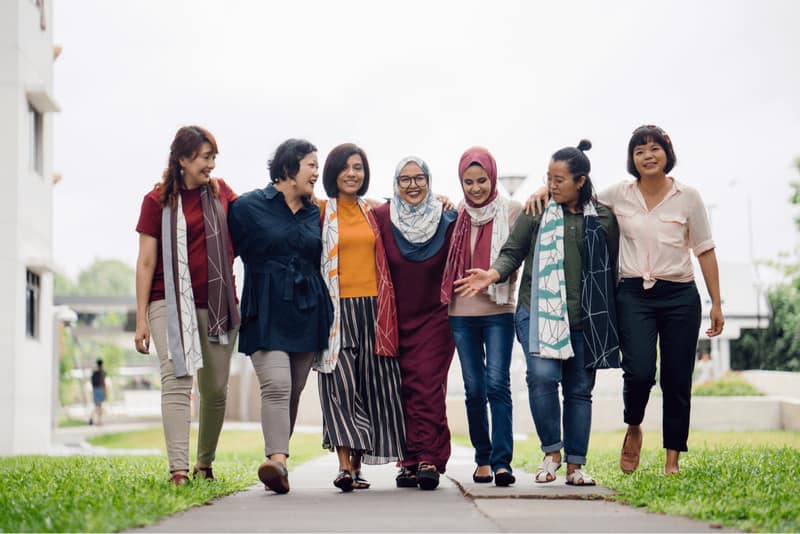
Table of Contents
Most people may not realize that Muslim fashion plays a vital role in celebrating cultural diversity around the world. Show intricate designs that reflect local traditions, while he incorporates various fabrics and styles inspired by different regions. They embrace diverse aesthetics, blending modesty with individuality, thereby fostering an environment of inclusivity and cross-cultural appreciation. By respecting and honoring their unique backgrounds, Muslim fashion designers encourage a deeper understanding of the rich tapestry that is global culture.
The Rich Tapestry of Muslim Fashion Traditions
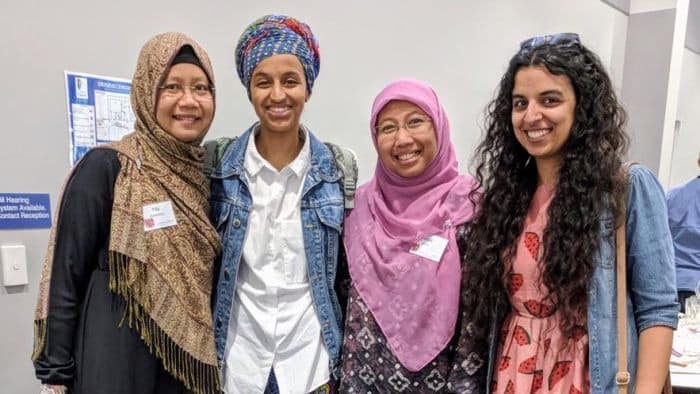
The vast array of Muslim fashion traditions weaves a rich tapestry that reflects diverse cultural influences. Each region showcases unique styles and garments, influenced by local customs, climate, and historical narratives. For instance, the elegance of the Moroccan kaftan, adorned with intricate embroidery, contrasts beautifully with the minimalist silhouettes of Scandinavian Muslim fashion. This exchange of ideas and aesthetics results in a dynamic fusion of styles that not only represents individual identities but also the collective heritage of the Muslim ummah across continents.
Historical Context: The Evolution of Attire in Islamic Cultures
The historical evolution of attire in Islamic cultures illustrates a complex interplay of tradition, religion, and societal change. Early Islamic dress was influenced by existing cultures, from Byzantine to Persian, leading to styles that balanced modesty with elegance. As trade routes expanded, garments like the silk kaftan and the intricate shawls of the Ottoman Empire emerged, fusing practicality with artistry. Over centuries, the shift towards local interpretations, intermingled with modern influences, has shaped contemporary Muslim fashion, reflecting both enduring traditions and current global trends.
Fashion in Islamic cultures evolved significantly during the Umayyad and Abbasid caliphates, where attire became symbols of status and identity. The introduction of vibrant textiles from the Silk Road infused new colors and styles into Muslim wardrobes. By the time of the Ottoman Empire, clothing had further developed into elaborate garments adorned with embroidery and luxurious fabrics. The impact of colonialism and subsequent globalization introduced new materials and techniques, making modern Muslim fashion a blend of historical authenticity and modernity that respects both heritage and the contemporary world.
Decoding Modesty: The Core Principle of Muslim Fashion
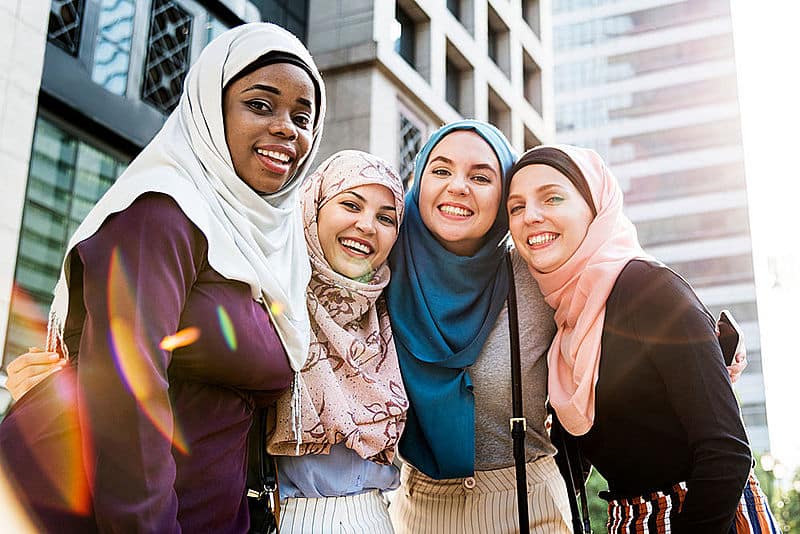
Modesty serves as the foundational principle in Muslim fashion, guiding the choices individuals make in their attire. This principle emphasizes both physical coverage and the intention behind one’s clothing, embodying respect for oneself and others. While interpretations of modesty can vary, the essence remains consistent: to express faith while navigating personal and societal expectations. Through layers, cuts, and fabrics, Muslim fashion showcases a commitment to modesty without sacrificing style, innovative design, or cultural representation.
- Diverse Interpretations of Modesty Across Cultures
Across the globe, interpretations of modesty within Muslim fashion differ significantly based on cultural contexts. For instance, in Southeast Asia, brightly colored hijabs and loose-fitting garments are common, often adorned with intricate patterns. In contrast, the Middle East may favor more neutral tones with simple, elegant lines. Each region’s cultural identity plays a pivotal role in shaping how modesty is visualized, reflecting local traditions, climate, and aesthetic values.
- The Balance Between Faith, Culture, and Personal Expression
Striking a balance between faith, cultural identity, and personal expression is an ongoing journey for many who embrace Muslim fashion. Individuals navigate their attire choices as they reflect their beliefs while also expressing their unique styles. This interplay allows for the emergence of hybrid fashion that unites contemporary trends with traditional elements. For example, sheikh-styled garments fused with streetwear create a modern silhouette that resonates with younger audiences, demonstrating that faith and culture can coalesce harmoniously.
Many women, for instance, choose attire that holds personal significance, drawing from familial traditions or creative influences while adhering to faith-based guidelines. Designers and fashion influencers contribute to this dialogue by offering a diverse range of options, allowing wearers to connect with their roots while engaging with global sartorial trends. As they experiment with fabrics, colors, and styles, their choices reflect a multi-faceted identity that honors their beliefs while celebrating individuality.
How Global Designers are Shaping Muslim Fashion
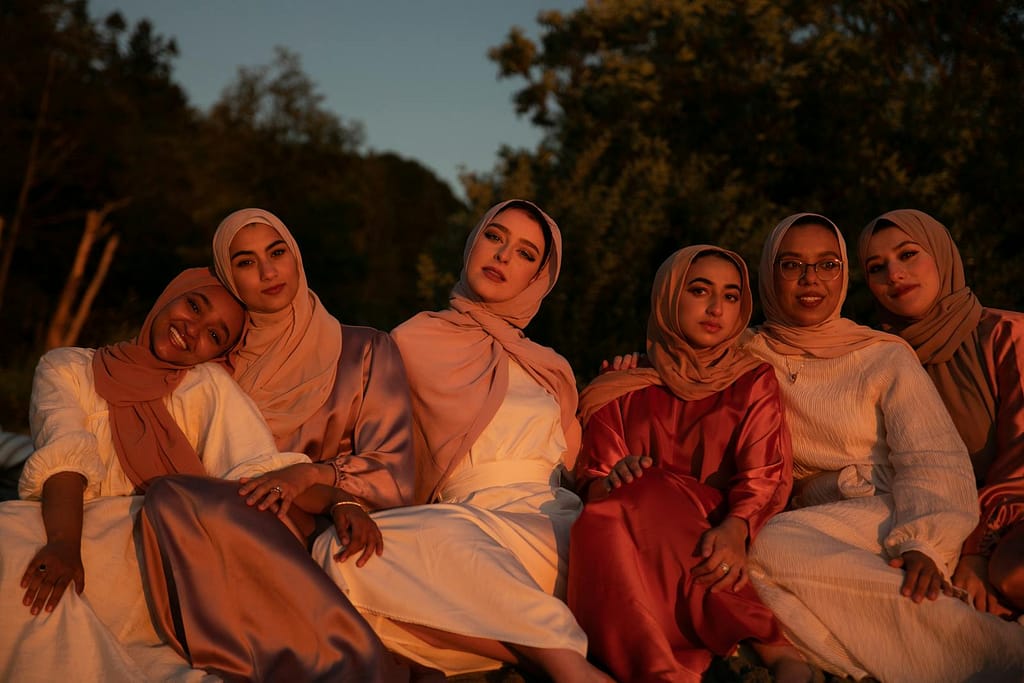
Global designers are innovating Muslim fashion, transforming traditional garments into modern statements that resonate across cultures. They bridge the gap between modesty and contemporary aesthetics, creating pieces that cater to the stylish yet devout individual. High-profile collaborations, such as those between H&M and modest fashion influencers, have introduced the mainstream market to beautifully tailored hijabs and long dresses.
- Fusion Fashion: Combining Contemporary Styles with Traditional Craft
Fusion fashion highlights the synergy between modern design and traditional craftsmanship, creating unique garments that celebrate cultural heritage. Designers often blend traditional techniques with contemporary silhouettes, resulting in pieces that are both stylish and respectful of their origins. For instance, using hand-embroidered fabrics from South Asia to create sleek, Western-inspired cuts demonstrates how different styles can harmonize, catering to the diverse Muslim population while appealing to a broader audience.
- The Role of Social Media in Promoting Inclusivity and Diversity
Social media has become a powerful tool for promoting inclusivity and diversity within the Muslim fashion industry. Platforms like Instagram and TikTok allow designers, influencers, and consumers to engage, share their experiences, and celebrate varying interpretations of modest fashion. This digital landscape fosters a dialogue that transcends geographical boundaries, with users showcasing how they express their cultural identities through fashion.
This online visibility encourages representation in fashion, allowing individuals from different backgrounds to see their cultures reflected in the clothing they wear. Visibility is increasingly crucial as brands harness these platforms to promote inclusivity, launching campaigns that feature models of all sizes, ethnicities, and styles. The impact is profound, with emerging designers gaining recognition and established brands expanding their collections to cater to a more diverse clientele. As a result, a dynamic and richly diverse Muslim fashion landscape continues to emerge, driven significantly by the collective efforts of the online community.
The Impact of Cultural Appropriation: Navigating Boundaries in Fashion
Cultural appropriation poses significant challenges within fashion, particularly when it intersects with Muslim styles. This influence often leads to misunderstandings and misrepresentation, as mainstream brands occasionally adopt elements of Muslim aesthetics without proper recognition or respect for their origin. This oversight not only undermines the cultural significance of these designs but can also contribute to a deeper narrative of marginalization, making it important for both designers and consumers to navigate these boundaries thoughtfully.
- Understanding the Fine Line Between Inspiration and Appropriation
The distinction between inspiration and appropriation in fashion rests on context and intent. While borrowing elements from diverse cultures can foster creativity, it becomes problematic when designers exploit these elements without acknowledging their roots. This disparity often surfaces in styles that are commercially successful yet devoid of the narratives and significance that define them. For Muslim fashion, embodying respect for the culture ensures that designs honor their origins rather than diminish them.
- Voices of Change: Muslim Designers Speaking Out
Muslim designers are increasingly vocal about the need to address cultural appropriation in fashion. They emphasize the importance of authenticity and representation in their works, urging the industry to recognize roots and histories embedded within their designs. Designers such as Hana Tajima and Dian Pelangi have taken a stand, pushing for meaningful conversations that challenge traditional portrayals while promoting inclusivity and respect for cultural heritage.
One such prominent figure, Hana Tajima, has molded her fashion line around the belief that cultural narratives should be cherished rather than commodified. By integrating authentic visual storytelling within her designs, she fosters a greater understanding while educating consumers about the cultural significance of each piece. Similarly, Dian Pelangi, with her vibrant and bold creations, often addresses cultural identity, inviting others to appreciate the dialogue between traditional attire and modern interpretations. Both designers represent a growing movement of Muslim talent advocating for a fashion landscape that champions respect and understanding, rather than appropriation, thereby paving the way for future generations to thrive creatively and ethically.
Empowerment Through Expression: The Role of Muslim Fashion in Identity
Muslim fashion serves as a powerful medium for self-expression, allowing individuals to embrace and showcase their cultural heritage while navigating personal identity. Through garments, accessories, and styling choices, they articulate their beliefs and values, turning fabric into a canvas for storytelling. This empowerment enhances their confidence and fosters a sense of pride in their cultural roots, showcasing how clothing can be both a personal choice and a public statement of one’s individuality.
- Personal Narratives: Fashion as a Tool for Self-Representation
For many, fashion transcends mere aesthetics and becomes a vital part of personal narratives, reflecting unique experiences and identities. Choose pieces that connect her to her heritage, intertwining traditional motifs with modern silhouettes—a silent yet impactful way to communicate her story. This process allows them to craft identities that resonate with their realities while promoting a broader understanding of the diverse expressions within Muslim communities.
- Community Support: The Role of Cultural Institutions
Cultural institutions play a significant role in supporting and highlighting Muslim fashion through events, exhibitions, and educational programs designed to celebrate these rich traditions. They offer platforms that empower designers and creators to showcase their work, helping to build a community around shared values of creativity and heritage.
By organizing fashion shows, workshops, and cultural festivals, institutions foster collaboration between local artisans and global influencers, creating a vibrant ecosystem that nurtures talent and innovation. This support not only enhances visibility for new designers but also educates broader audiences about the diverse identities represented in Muslim fashion, dispelling stereotypes and encouraging cultural exchange.
Conclusion
The exploration of Muslim fashion illustrates the rich tapestry of cultural diversity across the globe. Embody individual identities while adhering to Islamic principles, showcasing styles that reflect regional traditions and personal choices. This dynamic interplay between faith and fashion not only honors the cultural heritage of diverse communities but also fosters a sense of belonging and pride. In doing so, Muslim fashion serves as a powerful vehicle for self-expression and cultural appreciation, promoting understanding and respect among different societies.