Table of Contents
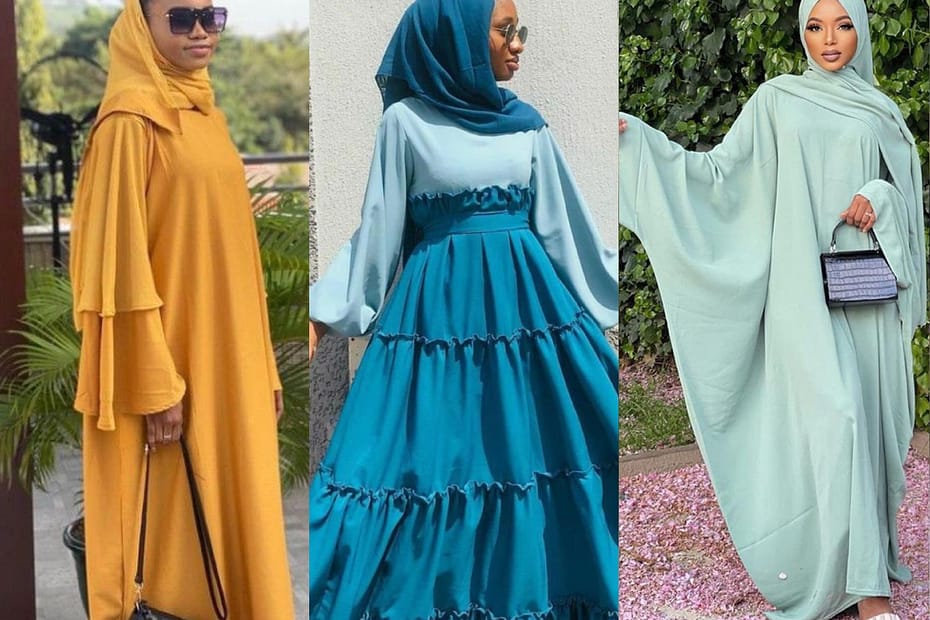
Just as the continent of Africa is rich in culture and history, its African Muslim fashion traditions reflect a diversity that is both vibrant and unique. Showcase a variety of styles influenced by regional customs, religious interpretations, and social norms, creating an array of garments from flowing abayas to intricately designed kaftans. He notes that the use of colors, patterns, and fabrics often tells a story of heritage and identity. They highlight how these fashion statements not only serve as expressions of faith but also as vehicles for cultural pride and innovation within the Muslim community across Africa.
The Interplay of Culture and Faith in Fashion
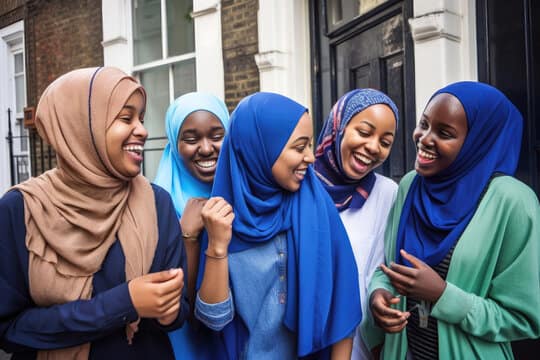
The fusion of culture and faith in African Muslim fashion reveals a captivating tapestry woven from tradition and spirituality. Clothing is not merely a practical necessity but a profound expression of identity and belief. Through vibrant fabrics, intricate patterns, and unique styles, African Muslims reflect their cultural heritage while adhering to Islamic principles, showcasing how personal expression can harmoniously coexist with religious observance.
- Historical Roots of African Muslim Attire
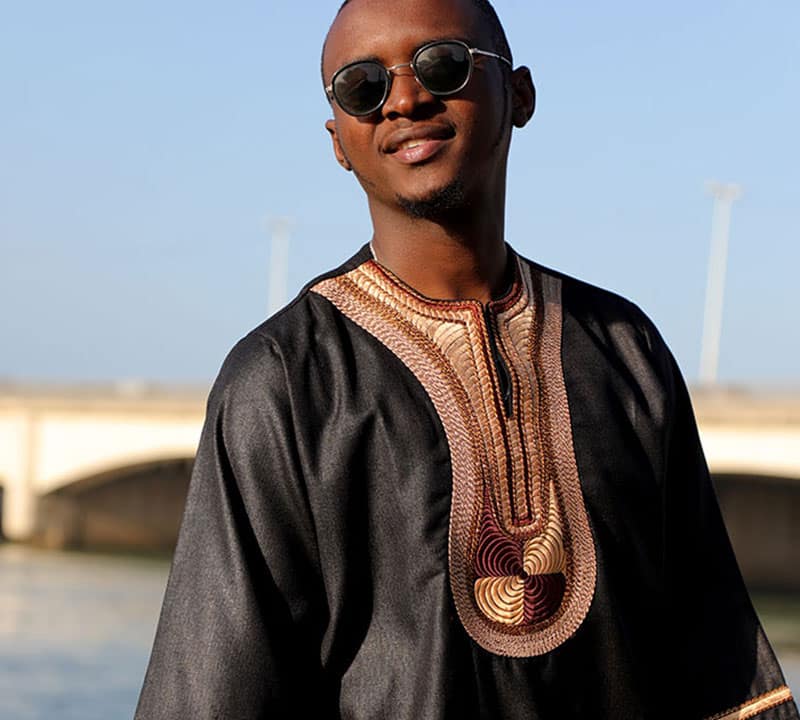
Historically, African Muslim attire emerged from a confluence of indigenous customs and Islamic influences, notably from traders and scholars who traveled across the continent. This blend introduced specific garments, such as the flowing boubou and the intricately embroidered kaftan, symbolizing the dynamic exchange of cultural practices and faith. Various regions embraced these styles, resulting in unique interpretations that resonate with local traditions and histories.
- The Role of Religious Observance in Clothing Choices
Religious observance significantly shapes clothing choices among African Muslims, emphasizing modesty and appropriateness in dress. Women often select garments that fulfill Quranic guidelines, which dictate covering the body while allowing room for personal expression through color and style. Men, too, adhere to similar standards, opting for loose-fitting attire that preserves dignity and reflects their beliefs.
For many African Muslims, clothing serves as a tangible representation of faith. Specific garments, like the hijab for women and the thobe for men, not only fulfill religious requirements but also signify belonging to a broader Islamic community. The choice of clothing may vary across ethnic groups, with some incorporating traditional adornments and patterns that reflect local culture while still maintaining adherence to Islamic principles. Festivals and religious gatherings further accentuate this interplay, where specific attire can underscore an individual’s devotion and cultural heritage, blending ritual with everyday practice beautifully.
Regional Variations: A Tapestry of Styles
From the sandy dunes of the Sahara to the vibrant jungles of the Congo, African Muslim fashion is a stunning representation of the continent’s rich tapestry of cultures and traditions. Each region boasts unique textiles, patterns, and styles, reflecting local beliefs and social norms. These regional variations illustrate how fashion serves as both an expression of identity and a connection to cultural heritage, showcasing a blend of traditional garments and contemporary trends that enrich the fashion landscape.
- North African Elegance: Traditional and Contemporary Threads
North African Muslim fashion beautifully combines the elegance of traditional garments like the kaftan and djellaba with modern influences. Rich fabrics adorned with intricate embroidery reflect the heritage of countries such as Morocco, Algeria, and Tunisia. Contemporary designers are integrating these elements, often experimenting with cuts and patterns that maintain the essence of culture while appealing to a global audience.
- West African Innovations: A Fusion of Color and Heritage
West African fashion exudes vibrancy through its bold colors and innovative designs. Fabrics such as wax prints and batik play a significant role in defining styles. Often, they incorporate traditional motifs and symbols that narrate stories of ancestry and cultural pride, blending seamlessly with contemporary fashion trends for a striking visual impact.
In countries like Nigeria, Ghana, and Senegal, designers are revolutionizing traditional attire by merging age-old patterns with modern silhouettes. The boubou and agbada have been transformed into fashion statements that resonate with youth culture. Fashion weeks across the region highlight this creative prowess, showcasing collections that celebrate African identity while attracting international attention. The fusion of traditional craftsmanship with contemporary styling not only honors the rich heritage but also inspires a new generation of designers to innovate while rooted in their history.
- East African Chic: Blending Tradition with Global Influence
East African Muslim fashion represents a unique blend of local traditions and global influences. Designers from countries like Kenya and Tanzania are known for crafting garments that feature rich patterns often derived from the region’s diverse communities. These garments are increasingly embracing modern styles while maintaining cultural significance, making them popular among both local and international audiences.
The adaptation of kanga and kikoi fabrics showcases the innovative spirit of East African designers, who are intertwining western fashion trends with traditional textile techniques. Notable figures in the fashion scene, such as Aliya Kulashe, are gaining recognition for their ability to interlace storytelling and craftsmanship within their collections. This interplay creates a dialogue between past and present, enabling East African Muslim fashion to flourish on the global stage while preserving its intrinsic cultural values.
Textile Treasures: The Materials Shaping Identity
Textiles play an integral role in shaping the identities and cultural expressions of African Muslim communities. These fabrics, often steeped in tradition, serve as a canvas for artistic expression, reflecting local customs, societal values, and religious beliefs. Varied materials, from handwoven cotton to elaborate silk brocades, not only signify personal style but also represent the rich cultural heritage unique to each region. As a result, these textiles serve as a vital link connecting generations, illustrating how clothing communicates stories of history, community, and spirituality.
- Traditional Fabrics and Their Significance
Traditional fabrics, such as Kente from Ghana and Adire from Nigeria, carry profound significance, often adorned with symbols that encapsulate deep meanings. Dressmakers often carefully select these fabrics not only for their beauty but also for the messages they convey about one’s identity and beliefs. For instance, Kente cloth is cherished for its vibrant colors and geometric patterns, each representing themes such as unity or excellence. Such textiles have transcended their practical use, becoming vital components of cultural ceremonies, celebrations, and everyday life.
- Modern Fabrics: Sustainability and Global Trends
The rise of modern fabrics has introduced innovative materials that prioritize sustainability while accommodating shifting global fashion trends. Designers are increasingly sourcing organic cotton, recycled fibers, and biodegradable textiles to create eco-conscious garments that appeal to both local consumers and international markets. This shift towards sustainability provides an opportunity for African Muslim fashion to engage with global discourses while maintaining cultural authenticity. Moreover, contemporary fashion designers are blending traditional techniques with modern aesthetics, ensuring that the rich textile heritage continues to evolve while addressing pressing environmental concerns.
This modern approach reflects a notable trend within the African fashion industry, where designers actively participate in global sustainability discussions. For example, the use of innovative fabrics sourced from local resources not only supports the economy but also reduces the carbon footprint associated with traditional manufacturing processes. Designers like Thebe Magugu and Adebayo Oke-Lawal exemplify this fusion of old and new, incorporating traditional textiles with ethical craftsmanship to create clothing that resonates with both heritage and modernity. Consequently, African Muslim fashion is not only preserving cultural narratives but is also contributing to the broader movement towards sustainable fashion worldwide.
The Influence of Contemporary Design on Islamic Fashion
Contemporary design has breathed new life into Islamic fashion, blending traditional elements with modern aesthetics. This fusion not only honors cultural heritage but also embraces trends that resonate with today’s diverse global audience. Designers experiment with cuts, silhouettes, and color palettes to create garments that appeal to younger generations while adhering to Islamic principles of modesty. By infusing their works with innovative techniques and sustainable practices, they inspire a fresh perspective on what Islamic fashion can represent in the contemporary world.
- Emerging Designers and Their Cultural Narratives
Emerging African Muslim designers are weaving their complex cultural narratives into the fabric of fashion. With backgrounds that reflect rich histories and traditions, these designers utilize their unique experiences to inform their creations. They often draw inspiration from local art, folklore, and heritage crafts, crafting collections that celebrate their roots while addressing modern-day aspirations. Each piece tells a story, encapsulating identity, faith, and a vision for the future, making them vital contributors to the evolving landscape of Islamic fashion.
- The Global Market: How African Muslim Fashion is Reshaping Standards
African Muslim fashion is increasingly capturing the attention of the global market, reshaping standards within the industry. This movement showcases the incredible diversity and creativity found within African cultures, pushing back against monolithic stereotypes often associated with Muslim attire. As designers innovate, they are inviting a wider audience to appreciate the intricate designs, rich textiles, and unique narratives that come from Africa. Local brands are not only competing on international platforms but are also promoting ethical practices that support their communities and artisans, reinforcing the idea that fashion can have a meaningful impact on both culture and commerce.
The emergence of African Muslim fashion on the global stage highlights a significant shift in consumer preferences, with more buyers seeking authenticity and cultural representation. International fashion weeks have started to include collections from African designers, showcasing vibrant textiles, contemporary cuts, and an overarching sense of identity. Platforms like Fashion Africa have propelled these designers into the spotlight, allowing them to gain recognition and influence beyond their borders.
Accessorizing the Everyday: Jewelry and Complementary Styles
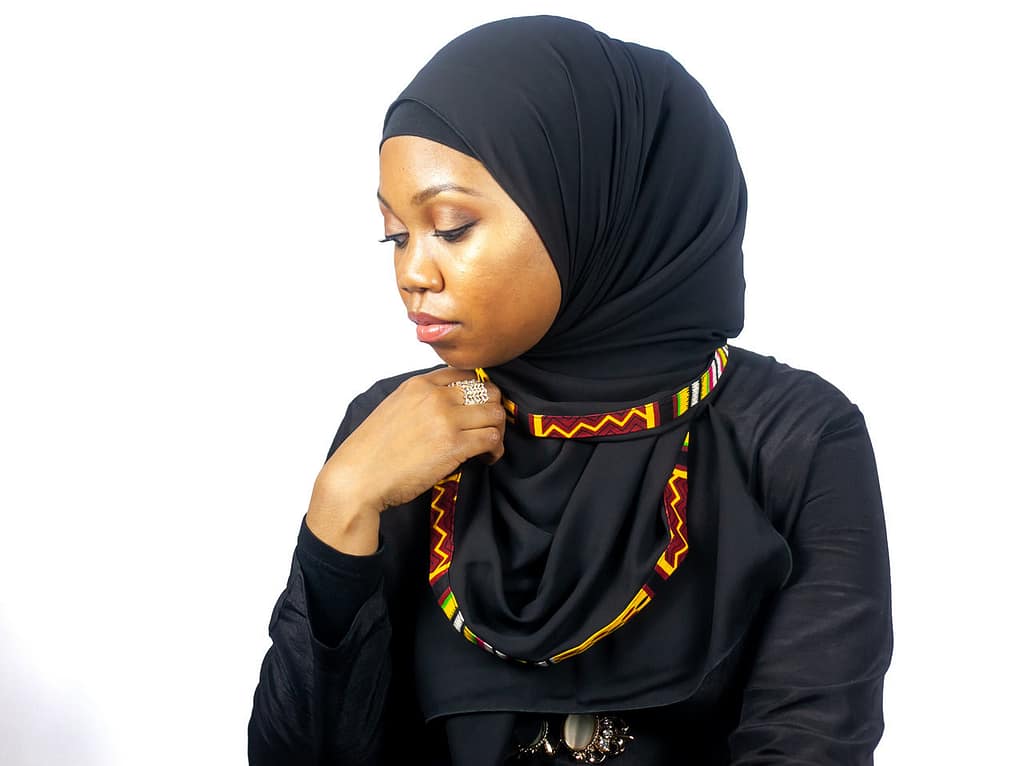
Jewelry serves as an vital component in the everyday fashion of African Muslims, with intricately designed pieces adding a layer of elegance and symbolism. From bold statement necklaces to delicate earrings, these accessories enhance traditional garments and showcase individual style. The careful selection of accessories reflects personal beliefs, cultural heritage, and social status, serving not just as adornments but as meaningful representations of identity.
- The Significance of Jewelry in African Muslim Fashion
Jewelry in African Muslim culture embodies far more than mere decoration; it represents heritage, spirituality, and social standing. Many pieces are crafted using traditional techniques, often passed down through generations. Gold, silver, and beads are commonly used materials, with specific designs and motifs holding significant cultural meanings. For instance, some designs showcase Islamic artistry, while others are tied to specific regions or communities, emphasizing the interconnectedness of fashion and identity.
- Innovative Accessories: Balancing Tradition with Modern Aesthetics
The evolution of African Muslim fashion has given rise to innovative accessories that blend traditional craftsmanship with contemporary designs. Items such as geometric earrings or minimalist bangles reflect modern trends while retaining cultural significance. Designers expertly curate collections that cater to a younger audience, marrying classic motifs with fresh interpretations. This fusion allows individuals to express their heritage in a way that resonates with current fashion sensibilities.
Innovative accessories often introduce exciting materials and designs that appeal to younger generations while preserving cultural roots. For example, artisans might incorporate sustainable materials or experiment with modern silhouettes that pay homage to traditional styles. These contemporary twists not only modernize the aesthetic but also contribute to the global conversation on sustainable fashion, allowing African Muslim artists to participate actively in both local and international markets.
Summing Up
Now, by exploring the diversity of African Muslim fashion traditions, one can appreciate the rich cultural heritage and artistic expressions that characterize these garments. Highlight the various regional influences, styles, and materials that reflect the social, religious, and historical contexts of the communities. This vibrant tapestry continues to evolve, showcasing the dynamic interplay between tradition and modernity, ensuring that the beauty and significance of African Muslim fashion remain celebrated and cherished across generations.