Table of Contents
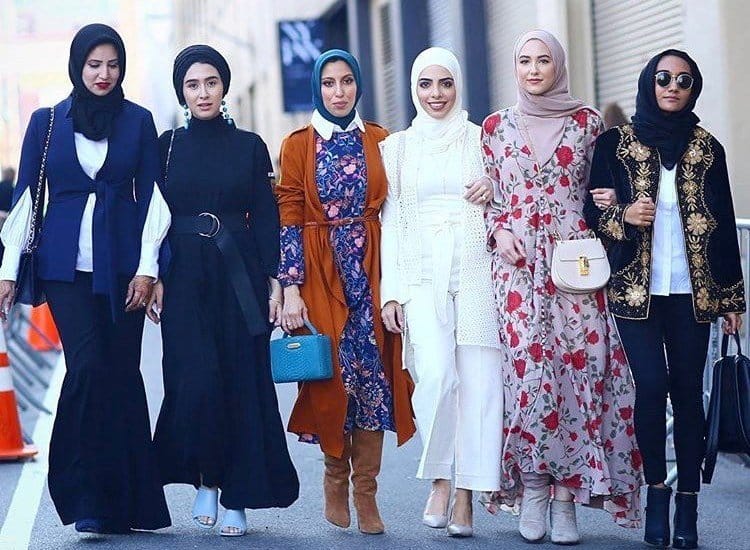
An increasing number of people are acknowledging the impact of Muslim fashion in the West as a significant driver of cultural expression and innovation. Shedding light on the diverse styles and vibrant trends, Muslim designers and fashion enthusiasts are redefining notions of modesty, elegance, and individuality. There are stereotypes associated with Islamic attire by showcasing creativity that embraces both tradition and modern aesthetics. As a result, they are not only setting new trends but also fostering greater understanding and appreciation of Islamic culture within the broader fashion community.
Historical Context of Muslim Fashion in the West
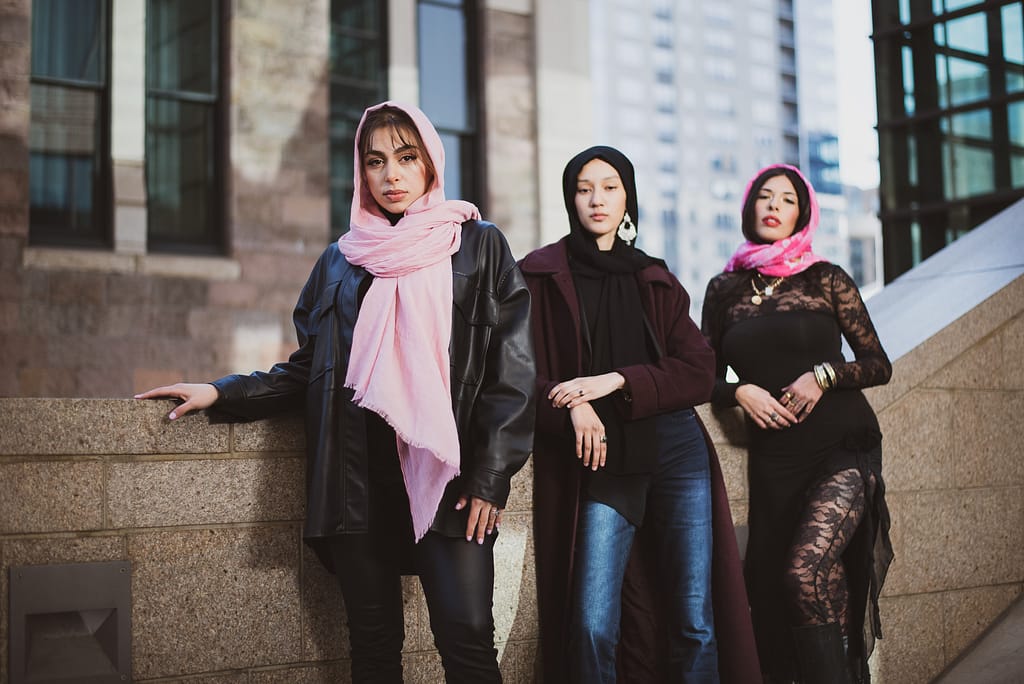
For centuries, Muslim fashion in the West has been shaped by a complex interplay of social, political, and cultural factors. Initially, the arrival of Muslim immigrants brought diverse styles that often clashed with prevailing Western norms. Over time, these interactions led to both misunderstandings and appreciation for the rich textile traditions and aesthetic practices of Muslim communities, laying the groundwork for a dynamic and evolving fashion landscape.
- Evolution of Muslim Women’s Fashion
Across the decades, Muslim women’s fashion in the West has experienced significant transformation, influenced by societal changes and increased visibility. From traditional garments to modern interpretations, these women have embraced styles that reflect their identity while navigating the challenges of cultural integration. The evolution of Muslim women’s fashion reflects a dynamic blend of tradition, faith, and modernity. Historically rooted in modesty and cultural identity, traditional garments like the hijab, abaya, and jilbab were once uniform and conservative. However, over recent decades, global influences and increased access to fashion media have transformed these styles. Today, Muslim women balance modesty with personal expression, embracing vibrant colors, tailored cuts, and trendy designs while adhering to religious principles.
- The Impact of Cultural Exchange
Cultural exchange has played a pivotal role in shaping Muslim fashion trends in the West. As different communities interact, they share ideas, inspirations, and fabric techniques that enrich each other’s wardrobes.
Women’s fashion has particularly benefited from this exchange, as she merges elements from various cultures to create unique expressions of her identity. This blending of styles not only promotes individual creativity but also fosters a deeper understanding and acceptance among diverse communities. Through fashion, showing the beliefs and heritage while setting trends that resonate with broader audiences, ultimately challenging stereotypes and paving the way for a more inclusive narrative.
Challenging Stereotypes through Fashion
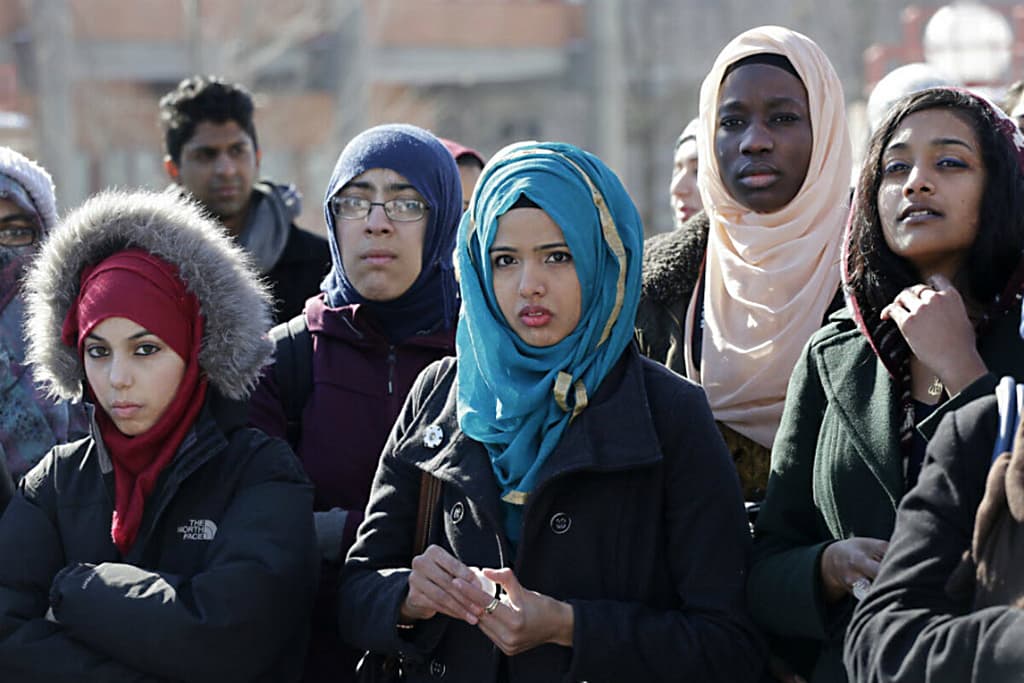
There’s a profound shift occurring in the West where Muslim women are using fashion as a medium to challenge stereotypes associated with their identity. They are redefining perceptions while embracing their cultural heritage. This movement is characterized by:
- Creative design that reflects personal style
- Inclusion of diverse cultural elements
- Empowerment through self-expression
- Advocacy for representation in the fashion industry
- Breaking barriers and shedding misconceptions
By this table, you will find that fashion serves as a powerful tool for redefinition and empowerment.
| Aspect | Impact |
| Self-Expression | Allows individuals to showcase their identity |
| Cultural Fusion | Encourages blending of traditional and modern styles |
| Visibility | Increases awareness of Muslim fashion narratives |
| Commercial Success | Contributes to a diverse market presence |
| Social Digital Platforms | Fosters community and connectivity |
- Representation in Media and Pop Culture
At a time when representation plays a pivotal role in shaping public perception, media and pop culture have begun to feature Muslim fashion icons prominently. These figures not only highlight the diversity within Islamic attire but also challenge mainstream narratives. They actively participate in campaigns and collaborations with renowned fashion brands, thus promoting a more inclusive vision of style and identity.
- Fashion as a Form of Resistance
Resistance against stereotypes is manifested through fashion choices that express individuality and cultural pride.
Fashion serves as a form of resistance for many Muslim women, allowing them to reclaim narratives around modesty and identity. By adopting modern interpretations of traditional attire, they challenge societal norms and advocate for their right to express their beliefs through style. This act of defiance creates a dialogue within society about cultural acceptance while showcasing the versatility and creativity inherent in Muslim fashion. Through their wardrobe, they communicate agency and redefine future possibilities for representation in the fashion industry.
The Rise of Muslim Designers in the Fashion Industry
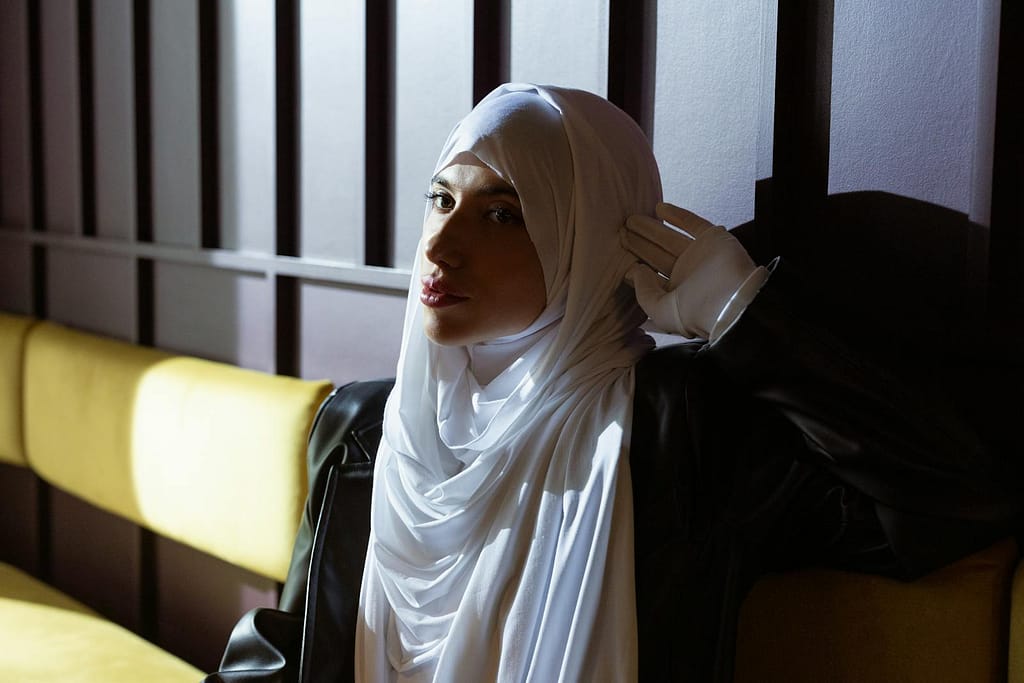
While the fashion industry has traditionally been dominated by Western designers, the emergence of Muslim designers is transforming the landscape. They are bringing unique perspectives and cultural richness to fashion, challenging stereotypes and expanding the definition of contemporary style. This new wave of creativity not only celebrates Islamic heritage but also incorporates modern aesthetics, appealing to diverse audiences across the globe. As they gain recognition, these designers contribute to a more inclusive fashion narrative that resonates with people from various backgrounds.
- Profiles of Influential Designers
Any discussion about Muslim fashion would be incomplete without highlighting influential designers who are making waves in the industry. From established names like Hana Tajima and Iman Aldebe to rising stars like Rania Fawaz, these creators are redefining the aesthetics of modest wear. They combine traditional elements with modern silhouettes, showcasing that fashion can be both stylish and respectful. Their work not only serves their community but also attracts attention from the wider fashion world, pushing boundaries and creating dialogue.
- Contributions to Mainstream Fashion Trends
With the rise of Muslim designers, mainstream fashion trends are evolving to include diverse representations and styles. These designers have introduced a fresh perspective on modest fashion, challenging the perception that it lacks vibrancy and style. By incorporating bold colors, innovative cuts, and unique fabric combinations, they are influencing significant fashion houses to adopt more inclusive designs. This shift not only enriches the fashion narrative but also caters to a growing market of consumers seeking stylish and modest clothing options.
Fashion has witnessed a transformation as Muslim designers have redefined mainstream trends by infusing cultural elements and contemporary sensibilities. By focusing on modesty without sacrificing style, they are breaking barriers and encouraging other brands to embrace diversity. These designers are not just creating clothing; they are telling stories that celebrate identity and empowerment. Such as, their influence is reshaping consumer expectations and encouraging greater inclusivity in a sector that has long been criticized for its lack of representation.
The Role of Social Media in Shaping Muslim Fashion
To understand the evolution of Muslim fashion in the West, one must consider the transformative role of social media. Platforms like Instagram and TikTok have become key arenas where Muslim individuals express their creativity and cultural identity through fashion. Through curated feeds and diverse content, they challenge stereotypes while showcasing stylish, modest outfits that resonate with a broad audience. This digital space allows for the rapid spread of trends and facilitates a global dialogue about style and modesty, ensuring that the traditional and the contemporary coexist harmoniously.
- Influencers and Their Impact
Around the world, Muslim fashion influencers have emerged as powerful voices in the industry. They not only help in redefining modest fashion but also amplify the visibility of diverse styles and narratives within the Muslim community. By sharing personal style journeys, these influencers inspire their followers to embrace their cultural heritage while experimenting with modern trends. Their authentic representation fosters an inclusive atmosphere that appeals to a wider audience, ultimately shaping mainstream fashion conversations.
- Online Communities and Shopping Trends
Role of online communities in shaping Muslim fashion trends cannot be overstated. As they connect individuals with similar interests, these communities provide platforms for sharing ideas, styles, and shopping experiences. They facilitate discussion about what modest fashion means, encouraging members to explore and appreciate various aesthetics, all while embracing their identities.
Fashion influences thrive within online communities, where members exchange styling tips, showcase outfits, and promote brands catering to modest attire. Such interaction leads to an upsurge in shopping trends that prioritize inclusivity and cultural sensitivity. As consumers engage with these platforms, they discover niche brands that align with their values, elevating the importance of ethical fashion choices. This sense of belonging not only enhances personal style but also encourages individuals to redefine their wardrobe choices through the lens of community-driven insights.
The Significance of Modesty in Contemporary Fashion
Not merely a cultural or religious obligation, modesty in contemporary fashion serves as a powerful statement of identity and individuality. Many individuals embrace this aesthetic, demonstrating that they can express their personal style while adhering to their values. As societies evolve, so too does the interpretation of modesty, allowing it to transcend boundaries and become a symbol of empowerment for those who choose to wear it.
- Redefining Modesty in a Modern Context
Below the surface of traditional interpretations, the notion of modesty is undergoing significant transformation. Contemporary designers and fashion enthusiasts are challenging preconceived notions, showcasing that modesty can be elegant and stylish rather than restrictive. This redefinition encourages individuals to assert themselves creatively while maintaining their beliefs, creating a refreshing dialogue about what it means to dress modestly in today’s world.
- Mixing Tradition with Trend
Modesty has found its place within modern trends, leading to innovative fashion fusions that honor cultural heritage while embracing contemporary aesthetics. Designers draw inspiration from traditional garments, uncovering ways to incorporate them into chic and fashion-forward looks. This practice not only preserves cultural significance but also makes modest styles relevant in today’s fast-paced fashion landscape.
The blend of tradition and trend signifies more than just a style choice; it reflects a broader acceptance of diverse fashion narratives. For instance, layering techniques, unique silhouettes, and fresh textile combinations can recreate classic modest designs. By integrating these elements, designers celebrate their heritage while appealing to a global audience, proving that modest fashion can indeed be at the forefront of style innovation.
The Future of Muslim Fashion in the West
Despite the challenges faced by Muslim fashion in the West, its future appears promising. As the industry evolves, designers and consumers alike are embracing inclusivity and diversity, paving the way for innovative styles that resonate with both Muslim and non-Muslim communities. This fusion of cultures highlights a growing acceptance and understanding, ultimately setting the stage for a more vibrant and representative fashion landscape.
- Emerging Trends and Innovations
Alongside the rise of modest fashion, emerging trends focus on sustainability and ethical production. Designers are increasingly incorporating eco-friendly materials and practices into their collections, reflecting a broader shift in consumer values. Moreover, technology is playing a pivotal role, with advancements in online retailing and the use of social media allowing Muslim designers to showcase their work to a global audience.
- Predictions for the Next Decade
After observing current trajectories, experts expect Muslim fashion in the West to further diversify and integrate with mainstream styles. This evolution may lead to increased collaboration between designers from different cultural backgrounds, fostering a rich tapestry of influences that are not only innovative but also reflective of society’s changing attitudes towards modesty and personal expression.
Predictions indicate that by the next decade, Muslim fashion will emerge as a significant force in the global fashion industry. As they develop unique narratives, designers may challenge traditional norms while remaining true to their cultural roots. The increasing participation of Muslim women in fashion, coupled with ongoing dialogues surrounding inclusivity, suggests a future where Muslim fashion becomes an necessary element of Western fashion, appreciated for its artistry and cultural significance.
Final Words
The evolution of Muslim fashion in the West reflects a rich tapestry of cultural exchange, where many people have continuously challenged stereotypes while influencing contemporary trends. By embracing and showcasing their diverse identities through fashion, Muslim individuals have not only redefined modesty but also contributed to a broader understanding of inclusivity and acceptance. This dynamic interplay of tradition and modernity underscores the importance of representation in the fashion industry, paving the way for a future where multicultural expressions are celebrated and integrated into mainstream fashion narratives.