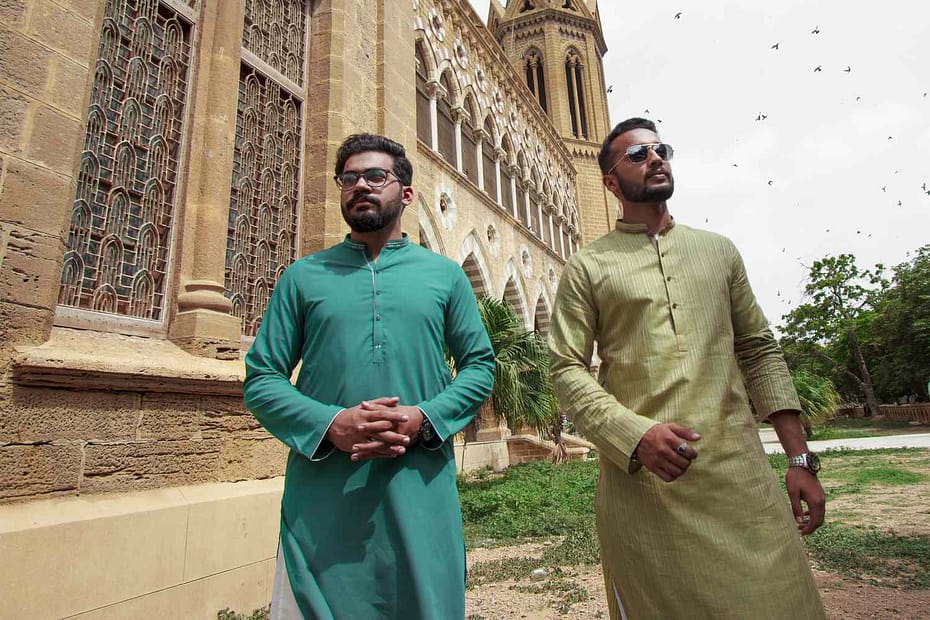
Table of Contents
With a rich tapestry of cultural influences and historical significance, Muslim men’s fashion encompasses a vibrant blend of traditional and contemporary styles. They embrace the elegance of timeless garments such as the thobe and kurta while also exploring modern twists that resonate with today’s trends. From intricate embroidery to minimalist designs, this dynamic fashion landscape reflects not only personal identity but also a celebration of heritage. This blog post probes into the various elements of Muslim men’s fashion, highlighting how they skillfully merge age-old traditions with modern aesthetics.
Historical Roots of Muslim Men’s Fashion
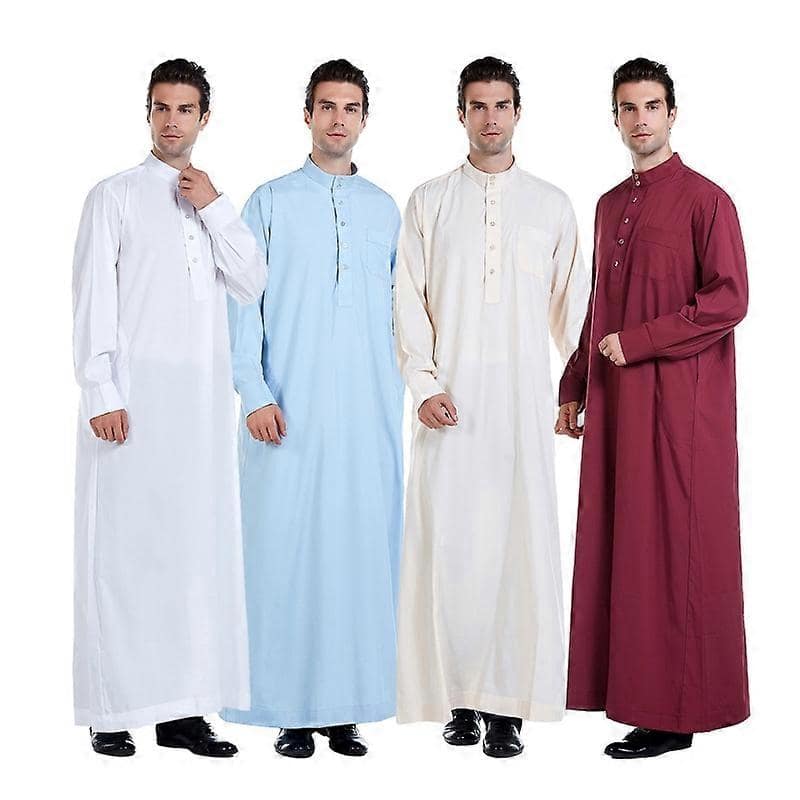
Before delving into contemporary styles, it is imperative to recognize the historical roots of Muslim men’s fashion. Islamic attire has evolved through centuries, shaped by a myriad of cultural influences, trade routes, and the ever-changing dynamics of society. With origins traced back to early Islamic civilization, these styles reflect both religious principles and local customs, creating a rich tapestry of heritage that informs men’s fashion today.
- Traditional Attire Across Cultures
After exploring the historical foundations, one can appreciate the diverse traditional attire worn by Muslim men across different cultures. From the turbans of South Asia to the flowing thawbs of the Middle East, garments often vary significantly based on geographic and cultural contexts. Each region offers unique interpretations of modesty and elegance, showcasing how traditional clothing can unite cultural identity while reflecting personal style.
- Symbolism and Significance in Clothing
Attire in the Muslim world carries profound symbolism and significance. Clothing often embodies cultural values, religious beliefs, and social status, making it an imperative aspect of personal expression and communal identity. Many garments feature specific colors, patterns, or designs that hold deep meanings, signifying everything from community belonging to spiritual devotion.
Significance extends beyond aesthetics; clothing serves as a medium to communicate individual values and societal norms. In many Islamic cultures, modest attire represents piety and respect, aligning with the religious tenet of modesty. Additionally, traditional designs can reflect historic legacies and artisanal craftsmanship, further reinforcing their importance within the community. As men navigate their identities in an increasingly globalized world, understanding the symbolism behind their attire enhances the appreciation of the rich tapestry that is Muslim men’s fashion.
Modern Interpretations of Muslim Men’s Fashion
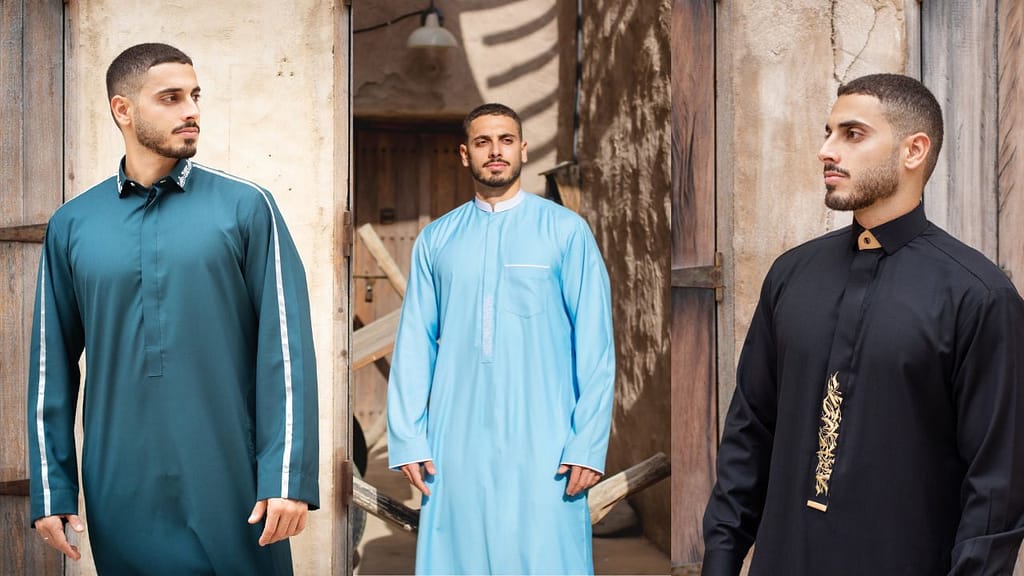
There’s a vibrant evolution within Muslim men’s fashion, where contemporary aesthetics beautifully blend with traditional elements. This evolution is not merely about clothing, but also a redefinition of identity and expression that resonates with younger generations. Many modern designers are reimagining classic garments, utilizing innovative fabrics and unconventional cuts, creating stylish ensembles that reflect both tradition and lifestyle. As a result, Muslim men’s fashion is now more diverse and accessible than ever, appealing to a global audience while maintaining its cultural essence.
- Fusion of Traditional and Contemporary Styles
Mens fashion today increasingly showcases a seamless fusion of traditional and contemporary styles. By incorporating classic pieces like the kurta and thobe with modern fabrics and cuts, designers are creating distinctive looks that cater to a diverse audience. Tailoring techniques enhance the fit while incorporating intricate embroideries and patterns that celebrate cultural heritage, all while embracing the minimalist trends prevalent in today’s fashion landscape.
- Influential Designers and Brands
Against the backdrop of growing interest in Muslim men’s fashion, several designers and brands have emerged as influential voices in the industry. These innovators are redefining traditional dress, making it relevant and appealing to a modern audience.
In fact, designers like Ahmad Abed, with his brand Aminah Abdul Jillil, and brands such as K BY K and S.K. VIBES have started creating collections that balance traditional craftsmanship with modern aesthetics. These designers are successfully broadening the appeal of Muslim men’s fashion, showcasing how cultural heritage can coexist with contemporary style. Their ability to address diverse fashion needs, while remaining rooted in tradition, not only emphasizes individuality but also reaffirms the importance of cultural identity in global fashion discourse.
Fashion Icons and Their Impact
You can observe how Muslim fashion icons have significantly influenced contemporary trends by blending traditional attire with modern aesthetics. These individuals often serve as ambassadors of culture, showcasing the beauty and versatility of Muslim menswear on global platforms. Their unique styles not only challenge stereotypes but also inspire a new generation of fashion enthusiasts to explore and embrace their heritage through a fashionable lens.
- Prominent Figures in the Muslim Fashion Scene
Beside mainstream designers, various prominent figures have emerged in the Muslim fashion scene, each contributing a distinct perspective. Designers like Ahmed Abdelrazaq and labels such as Aab have disrupted conventional fashion narratives by debuting collections that cater specifically to Muslim men’s needs while maintaining aesthetic appeal. Their innovative approaches have garnered attention internationally, showcasing how traditional garments can evolve without losing their cultural essence.
- Social Media and Its Role in Fashion Trends
Role of social media has transformed the Muslim fashion landscape, allowing trends to flourish and spread rapidly. Platforms like Instagram and TikTok serve as stages for Muslim men to showcase their style, engage with designers, and connect with a broader audience. This accessibility fosters a vibrant community where fashion aficionados can share ideas and inspiration, creating a culture of collaboration among designers, influencers, and consumers.
In addition to connecting fashion enthusiasts, social media platforms have enabled the emergence of micro-influencers who are shaping local trends. They curate content that resonates with their followers, showcasing how traditional garments can coexist with contemporary designs. With their pervasive reach, social media not only democratizes fashion but also encourages dialogues around identity and culture, allowing Muslim men’s fashion to thrive globally and diversify beyond regional boundaries.
Fabrics and Textiles in Muslim Fashion
For Muslim fashion, the choice of fabrics and textiles plays a significant role in defining style and comfort. Traditional garments often feature natural fibers that offer breathability and elegance, such as cotton, silk, and wool. In contemporary contexts, innovative fabrics are being integrated, blending cultural heritage with modern aesthetics to meet the diverse tastes and needs of today’s Muslim men.
- Traditional Materials and Their Uses
Traditional materials used in Muslim fashion include cotton, silk, and wool, chosen for their natural properties. Cotton is favored for its breathability, making it ideal for warm climates, while silk adds an element of luxury to formal attire. Wool, on the other hand, is preferred for outer garments, providing warmth in colder regions. These materials not only enhance comfort but also reflect the rich cultural heritage of Muslim communities.
- Modern Innovations in Fabric Choices
Modern fabric innovations have significantly broadened the horizon of Muslim men’s fashion. It has led to the introduction of blends that incorporate technical fabrics designed for performance and comfort. Materials such as moisture-wicking polyester and stretchable blends offer flexibility and ease of movement, catering to an active lifestyle. Sustainable options like organic cotton and recycled fabrics are also gaining popularity, reflecting a growing awareness of environmental issues. These developments allow Muslim men to express their identity and adhere to their values without compromising on style or functionality.
Cultural Events and Fashion Showcases
All cultural events serve as vital platforms for showcasing the rich tapestry of Muslim men’s fashion. From local festivals to global conferences, these gatherings celebrate traditional attire and contemporary styles alike. Designers, models, and fashion enthusiasts come together, fostering creativity and innovation while promoting cultural heritage. Such events not only highlight unique styles but also promote dialogue and exchange, allowing for a greater appreciation of the diversity within Muslim fashion.
- International Fashion Weeks
Below international fashion weeks have increasingly recognized the significance of Muslim men’s fashion, featuring designers who blend traditional elements with modern aesthetics. Events such as Paris and Milan Fashion Weeks now include collections that respect cultural identities while embracing avant-garde designs. This integration allows for global visibility, encouraging collaboration and inspiring a new generation of designers to explore their roots.
- Community Celebrations and Their Influence
Among community celebrations, local festivals and religious observances play a significant role in shaping Muslim men’s fashion. These events often highlight traditional garments and contemporary interpretations, encouraging attendees to embrace their cultural identity through their attire.
Hence, the influence of community celebrations extends beyond mere aesthetics; they foster unity and pride within the Muslim community. By showcasing traditional styles during events such as Eid or community festivals, attendees reinforce their cultural ties while also inspiring younger generations to express their identity through fashion. This exchange ensures that both traditional and modern styles are respected, celebrated, and continuously adapted, enriching the broader narrative of Muslim men’s fashion.
The Future of Muslim Men’s Fashion
Not only is the landscape of Muslim men’s fashion evolving, but it is also becoming a platform for self-expression and cultural identity. With increasing visibility through social media and global fashion weeks, designers are bridging traditional and modern elements, creating a vibrant future for this niche market. Innovation in fabric technology and design will further enrich the gaze into the styles that define Muslim masculinity today and in the years to come.
- Trends to Watch
Around the world, emerging trends in Muslim men’s fashion focus on a blend of streetwear aesthetics and traditional garments. Designers are experimenting with layering techniques, vibrant colors, and unique silhouettes, while brands that prioritize modesty gain popularity. Activewear infused with Islamic principles and chic dress codes for formal occasions are also gaining traction, reflecting a growing demand for versatile and functional attire.
- The Role of Sustainability
Against the backdrop of a global shift towards eco-consciousness, sustainability is becoming a significant consideration in Muslim men’s fashion. Essentially, the market is witnessing an increasing number of brands dedicated to ethical production, sourcing organic materials, and minimizing waste. This movement aligns with the values of many consumers who seek to make choices that reflect their commitment to the environment.
Mens appreciation for sustainable fashion options is influenced by a desire to contribute positively to the planet while maintaining cultural integrity. They seek high-quality garments that not only fit their aesthetic but are also produced with care for the environment and fair labor practices. By choosing sustainable clothing, they are not only embracing modern values but also preserving their cultural heritage for future generations.
Final Words
Drawing together the rich tapestry of traditional and modern Muslim men’s fashion, one can see how fashion navigates cultural heritage while embracing contemporary trends. Find out that these styles reflect both individuality and community values, showcasing a harmonious blend of modesty and self-expression. They highlight the significance of clothing as a medium of identity, celebrating diversity within the Muslim world. Each choice, from fabrics to designs, transcends mere aesthetics, contributing to a vibrant dialogue about faith, culture, and modernity.