Table of Contents
Many women around the world are discovering how modern Muslim fashion serves as a powerful vehicle for self-expression and empowerment. As traditional garments evolve to embrace contemporary styles, you can find an array of options that combine modesty with elegance, helping you express your identity confidently. This blog post will explore how these fashion trends not only challenge stereotypes but also foster community, inspire creativity, and promote inclusivity in a global context.
The Evolution of Muslim Fashion
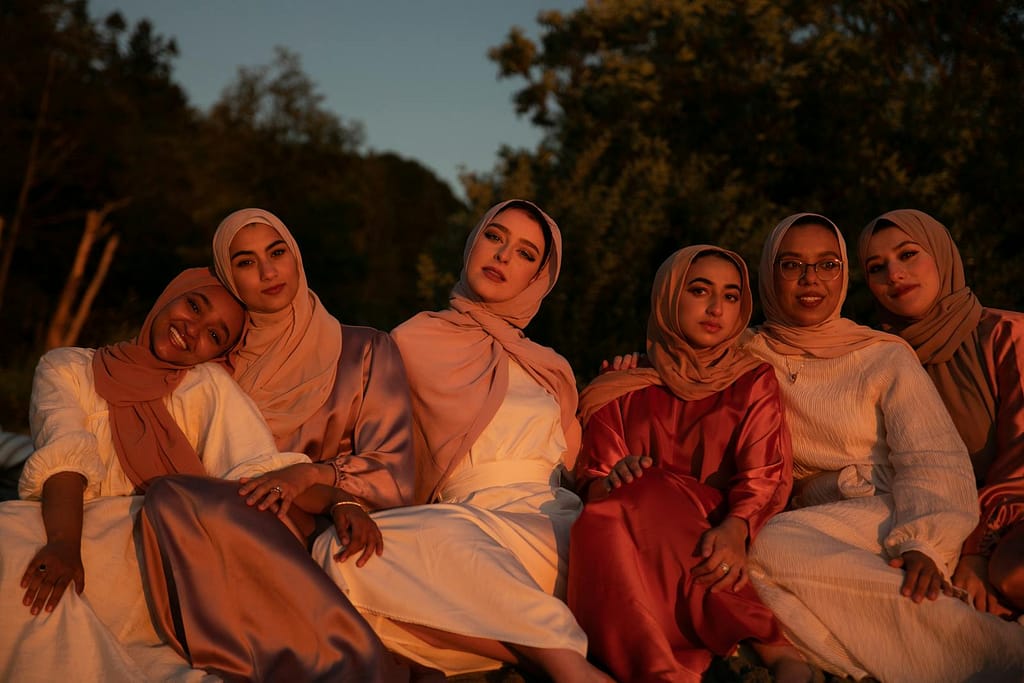
Your understanding of Muslim fashion is incomplete without appreciating its rich history and transformative journey. Over time, this fashion category has shifted significantly, reflecting changes in culture, religion, and women’s roles in society. The way Muslim women dress today is influenced by both traditional values and contemporary expression, creating a unique blend that empowers them globally.
Historical Context
Between the 7th and 20th centuries, Muslim fashion was largely influenced by local customs, cultural exchanges, and the diverse interpretations of modesty within Islamic teachings. Traditional garments not only served practical purposes but also expressed identity and status within various communities. As globalization took hold, these styles began evolving to encompass modern influences while retaining their roots.
Contemporary Trends
Among the current trends in Muslim fashion, you’ll find a vibrant fusion of styles that combine traditional elements with modern aesthetics. Designers are embracing bold colors, innovative cuts, and luxurious fabrics, redefining what modest fashion can mean in today’s world.
Plus, the rise of social media has allowed you to connect with a global community of fashion-forward Muslim women, showcasing diverse interpretations of style. Influencers and designers are breaking stereotypes, promoting inclusivity and empowering women to express themselves through their wardrobes. This has led to the emergence of collections that prioritize versatility, allowing you to transition seamlessly between various aspects of life while staying true to your values.
Cultural Significance of Modesty
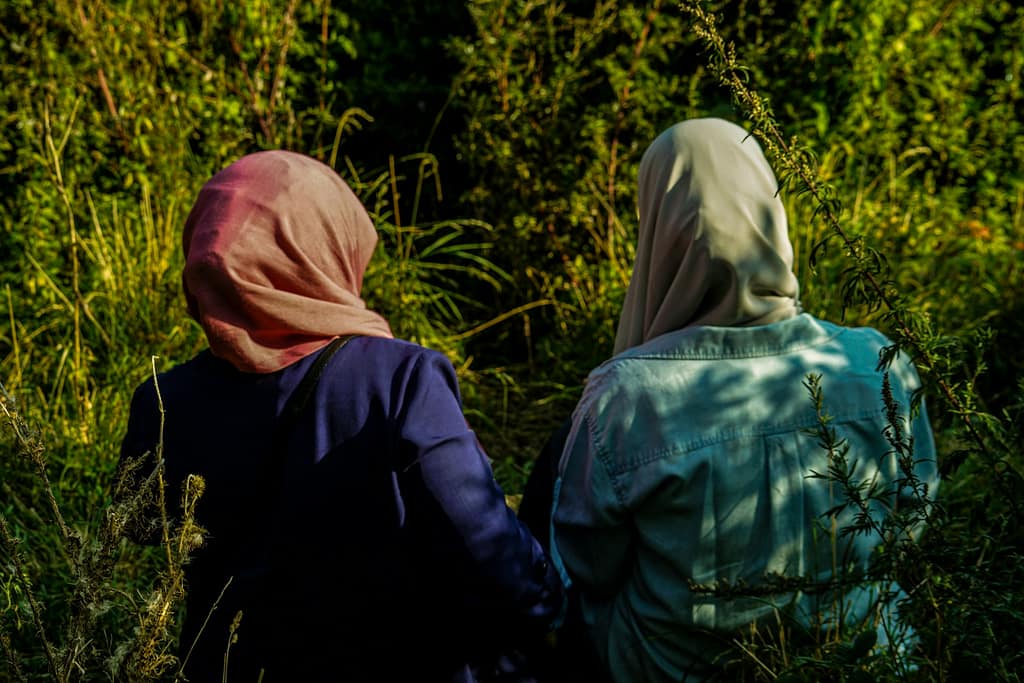
You will find that modesty in fashion transcends personal choice; it serves as a deep cultural expression for many women around the world. Rooted in various traditions and religions, modest clothing promotes a sense of dignity and respect, allowing women to freely engage in society while reflecting their values. This cultural significance of modesty manifests in diverse styles, celebrating individuality and heritage through modern interpretations and designs.
The Concept of Hijab
By embracing the hijab, many women convey a powerful statement about self-identity and empowerment. The hijab represents more than just a piece of clothing; it symbolizes a commitment to one’s beliefs and an assertion of autonomy over personal choices. Wearing the hijab allows women to express their spirituality while navigating contemporary fashion landscapes.
Fashion and Identity
Behind every outfit lies a narrative of self-expression, and for many women, fashion becomes an integral part of identity formation. Modern Muslim fashion provides a canvas for women to showcase their uniqueness, intertwining personal style with cultural values. It affirms that style is not only about trends but also about authenticity.
It is important to acknowledge that the intersection of fashion and identity captivates women from various backgrounds, as they curate their wardrobes to reflect their personalities while staying true to their cultural roots. As the modern Muslim fashion scene flourishes, women are increasingly empowered to redefine traditional norms, merging contemporary trends with classic elements. This evolving landscape allows you to articulate your unique story, celebrate diversity, and foster a sense of community, illustrating how personal style can resonate on both individual and collective levels.
Global Influence of Muslim Designers
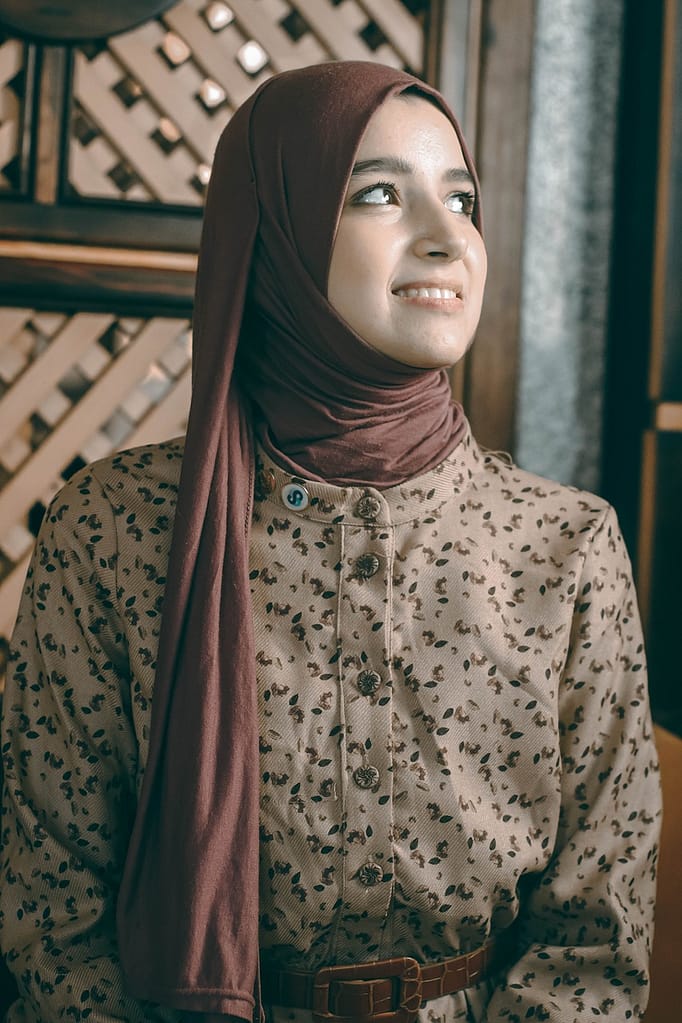
If you’re exploring the world of fashion, you’ll find that Muslim designers have made significant waves internationally. Their unique aesthetics and cultural heritage not only enrich the fashion landscape but also challenge conventional norms. By weaving together tradition and modernity, these designers offer fresh perspectives that resonate with diverse audiences, allowing you to appreciate fashion’s richness across borders.
Pioneers in Muslim Fashion
One standout example of pioneering Muslim fashion is Anniesa Hasibuan, who surfaced as a trailblazer during her New York Fashion Week debut. Her ability to blend traditional Islamic garments with high-fashion elements inspires many and showcases the versatility of Muslim attire while making it more accessible to the global market.
International Fashion Week Representation
Week after week, the presence of Muslim designers at major fashion events like New York and Paris Fashion Weeks has grown. This representation not only validates your cultural expressions but also opens doors for meaningful dialogues taking place in the fashion arena.
Further highlighting this trend, many Muslim designers no longer see their participation as mere representational tokenism; instead, it serves as a platform for showcasing innovation and diversity. Designers like Hana Tajima have captivated audiences by blending contemporary styles with Islamic principles, thereby demonstrating that modest fashion can effortlessly stand alongside high fashion. As you explore these events, you’re witnessing the evolution of the industry—one that embraces inclusivity and celebrates a myriad of voices.
Social Media and the Rise of Online Influencers
Keep in mind that social media platforms have dramatically transformed the landscape of fashion, especially for Muslim women. Influencers leverage their platforms to showcase modern Islamic fashion, making it accessible and relatable for millions. This visibility not only fosters a sense of community but also encourages discussions around modesty, individuality, and personal expression, ultimately empowering you with the confidence to embrace your unique style.
Redefining Beauty Standards
Below, the conversation around beauty standards is evolving, as you witness influencers challenging conventional norms. By sharing diverse representations of beauty, they champion a more inclusive view that resonates with a broader audience. This revolution invites you to reconsider and redefine what beauty means in your own life, encouraging self-acceptance and celebrating your unique features.
EmpoWERS WOMEN Voices
Below, the digital space serves as a powerful platform for women to express their thoughts, opinions, and creativity. Influencers not only share fashion tips but also engage in meaningful dialogues about social issues, personal experiences, and cultural representation. This amplification of female voices allows you to feel empowered and connected, reinforcing the notion that your experiences and perspectives are valuable and worthy of attention.
Online, you can explore a multitude of perspectives as female influencers share their stories and engage with their audiences. This connectivity nurtures a sense of sisterhood and underscoring the importance of solidarity among women. By participating in these discussions and actively following your favorite influencers, you contribute to a global movement that uplifts female voices and empowers you to be an advocate for change within your own community and beyond.
Muslim Fashion and Sustainability
Not only does modern Muslim fashion reflect diverse cultural identities, but it also prioritizes sustainable practices. By choosing materials that are eco-friendly and promoting ethical production methods, you can contribute to a healthier planet. The emergence of brands that focus on sustainability means you can express your style while being mindful of the environment.
Ethical Fashion Practices
Between mindful consumption and ethical fashion practices, you can reshape the industry. Many brands now emphasize fair treatment of workers and transparent supply chains, ensuring that your clothing choices support social justice alongside personal expression.
The Role of Sustainable Brands
Any approach to fashion that embraces sustainability involves a significant partnership with brands dedicated to this mission. These brands not only provide you with stylish and modest options, but they also integrate environmentally friendly materials, fair labor policies, and ethical production processes into their business models.
In fact, many sustainable brands are pioneering ethical fashion, setting new standards that prioritize your values as a conscious consumer. By choosing these brands, you support practices that safeguard the welfare of workers globally and minimize environmental impact. This alignment of style with substance allows you to express your individuality while championing a fashion industry that aligns with your ethical beliefs.
Economic Empowerment Through Fashion
Once again, fashion is proving to be a powerful tool for economic empowerment, particularly for women in Muslim communities around the world. Through modern designs that blend cultural heritage with contemporary style, women are not only expressing their identities but also gaining financial independence. The burgeoning fashion industry has opened up pathways for entrepreneurship, allowing women to take control of their livelihoods while challenging societal norms.
Employment Opportunities for Women
Through the rise of the Muslim fashion industry, numerous employment opportunities have emerged for women across various sectors. From design and marketing to retail and production, you can find countless roles that encourage women to participate actively in economic activities. These positions often offer the flexibility needed to balance work and family responsibilities, making it easier for you to pursue your career ambitions without sacrificing personal commitments.
Supporting Local Artisans
Economic empowerment extends beyond individual careers; it also encompasses the support of local artisans and craftspeople. By choosing to invest in fashion that highlights traditional craftsmanship, you contribute to the sustainability of communities that rely on these skills. This not only preserves cultural heritage but also provides artisans with a stable income, allowing them to thrive and innovate.
Empowerment through supporting local artisans means you are making a direct impact on the lives of those creating the clothing you cherish. By prioritizing brands that ethically source their materials and collaborate with skilled artisans, you help foster an environment where traditional techniques are celebrated and sustained. This creates a cycle of growth, enabling artisans to enhance their craft while uplifting their communities economically. When you wear these pieces, you are not only making a fashion statement but also becoming a part of a larger movement that values heritage and craftsmanship.
Summing up
With these considerations, you can see how modern Muslim fashion empowers women globally by offering them a platform to express their identity, beliefs, and creativity. The fusion of tradition and contemporary styles allows you to embrace your individuality while adhering to cultural values. As you explore diverse fashion choices, you’ll find that this movement not only enhances your personal style but also fosters a sense of community among women worldwide, proving that modesty and fashion can coexist beautifully.